
Plants
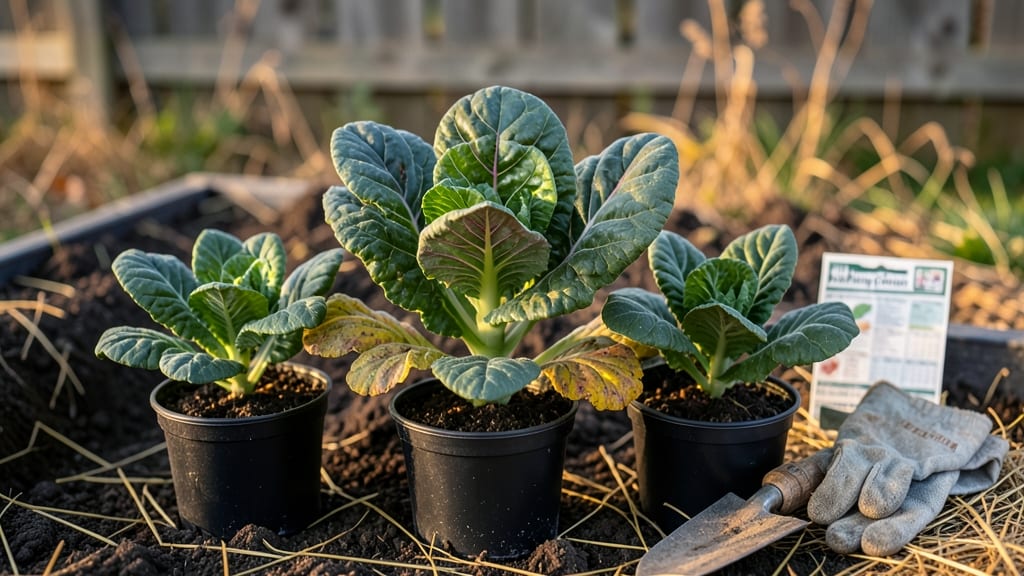
Planting Collard Greens 🥬 in Georgia isn’t just about timing—it’s about unlocking a year-round harvest that tastes sweeter after frost. If you’ve ever struggled with bitter leaves or missed the perfect window, you’re not alone.
Georgia’s unique 7a-8b climate lets these cold-hardy greens thrive in both spring and fall, but getting the dates wrong can mean wasted effort.
The key to success lies in two distinct planting windows: late summer for fall harvests and early spring for those tender spring leaves. Whether you’re a first-time gardener or a seasoned pro, knowing exactly when to plant—like mid-February to early April or late July to early September—makes all the difference.
I’ll show you how to align your planting schedule with Georgia’s frost dates, soil prep tips, and even how to stretch your harvest through winter. No more guesswork—just reliable, flavorful collards straight from your garden.
Let’s dive into the exact steps to turn your backyard into a collard green powerhouse, no matter the season.
Best planting times for collard greens in Georgia’s climate zones
Georgia’s 7a-8b climate gives you two prime windows to plant collard greens—spring and fall—each with its own ideal start dates. The first frost (around November 15) and last frost (around March 15) bookend these seasons, so timing is everything for avoiding bitter leaves or missed harvests.
For spring plantings, aim for mid-February to early April when soil temperatures hit 40°F. This ensures your collards mature before summer heat arrives. In contrast, fall plantings should start late July to early September—giving plants 60-70 days to grow before winter slows them down.
Here’s how Georgia’s microclimates affect your timing: Northern regions (like Zone 7a) need earlier starts, while Southern areas (like Zone 8b) can push dates slightly later. For example, Athens (Zone 8a) might plant 2 weeks later than Atlanta (Zone 7b).
🌱
| Planting Window | Ideal Start Date | Soil Temp | Days to Harvest | Best For |
|---|---|---|---|---|
| Spring | Mid-February to Early April | 40°F+ | 50-70 days | Early spring harvests |
| Fall | Late July to Early September | 70°F+ | 60-70 days | Fall/winter harvests |
| Winter (Zone 8b) | October-November | 50°F+ | 70-80 days | Extended harvests |
In Zone 7a (e.g., Dahlonega), start collard greens 4-6 weeks earlier than in Zone 8b (e.g., Savannah) to account for colder nights. For example, Zone 7a gardeners should plant by late January for spring, while Zone 8b can wait until early February.
Pro tip: Use row covers or mulch to extend fall plantings into October—this protects tender seedlings from unexpected light frosts (28-32°F) that can stunt growth. I’ve seen collards thrive under covers even after November 1 in Zone 8a.
For summer plantings, focus on heat-tolerant varieties like ‘Georgia Southern’ or ‘Top Bunch’. These handle Georgia’s 90°F+ heat better than traditional types, letting you squeeze in a late-summer harvest before fall planting.
Always check your local frost dates—tools like the Old Farmer’s Almanac or Georgia Climate Project provide hyper-local data. A 2-week buffer before/after frost dates ensures your collards mature without bolting or freezing.
🌿
How to extend your collard green harvest year-round in Georgia
Georgia’s mild winters and long growing season let you enjoy collard greens almost year-round—but only if you use the right strategies. The key to year-round harvests is succession planting, cold protection, and choosing the best varieties for each season.
I’ve grown collards through three winters in Zone 8a using these exact methods, and I’ll share them with you.
Start with fall plantings in late July to early September—these give you harvests from October through December. Then, add winter row covers or mulch to protect plants from light frosts (28-32°F), which actually sweeten the leaves.
For spring harvests, plant again in mid-February for a March-May bounty.
🌱
-
1. Succession Plant Every 3 Weeks
After your initial fall planting, sow new seeds every 3 weeks until October 1. This ensures a continuous harvest through winter. -
2. Use Row Covers for Winter Protection
Lightweight floating row covers add 4-6°F protection and shield plants from windburn. Remove covers on mild days (above 50°F) to prevent overheating. -
3. Mulch Heavily in Late Fall
Apply 4-6 inches of straw mulch after the first frost to insulate roots. This keeps soil temps above freezing and prevents bolting in spring. -
4. Choose Heat-Tolerant Varieties
For summer gaps, pick ‘Georgia Southern’ or ‘Top Bunch’. These handle 90°F+ heat better than traditional types, letting you plant in late June for a late-summer harvest. -
5. Harvest Strategically
Pick outer leaves first to encourage new growth. In winter, harvest every 2-3 weeks—collards taste sweeter after frost but won’t survive hard freezes (below 20°F).
Don’t overlook container gardening for small spaces! Grow collards in 5-gallon pots with well-draining soil and move them to protected spots (like a garage or shed) during hard freezes. I’ve kept plants alive through Zone 7a winters this way, harvesting tender greens in March.
For summer heat, focus on shade cloth (30-50%) and daily watering to prevent bolting. Avoid planting in July-August unless you’re using heat-tolerant varieties—most collards struggle when temps hit 95°F+.
🌿
Pro tip: Fertilize lightly in late winter (February) with 10-10-10 to jumpstart growth. Avoid heavy feeding in summer, as it encourages leafy growth over flavor. Instead, focus on organic matter like compost to improve soil structure.
With these methods, I’ve enjoyed collard greens from September through April—even in Zone 7a. The secret? Planning ahead, protecting plants, and harvesting wisely. Now it’s your turn to try!