
Planting
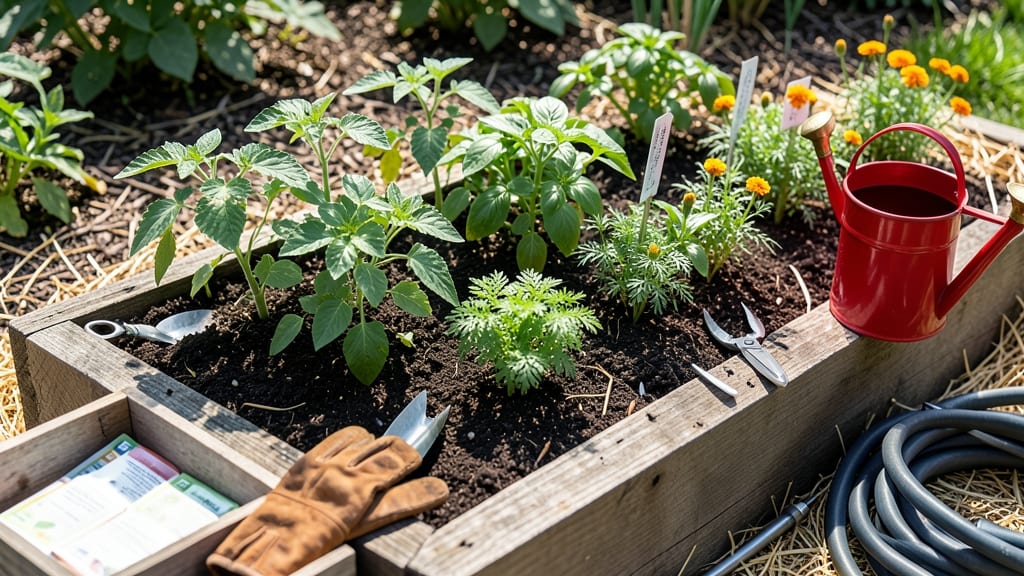
Timing when to plant a garden in Virginia just right can mean the difference between a thriving harvest and a sad, frost-bitten disappointment—especially since the state spans USDA zones 4a through 8a.
Whether you're in the mountains of Zone 4 or the warmer coastal areas of Zone 8, planting too early or too late throws off your entire season.
I’ve spent years testing what works in Virginia’s unpredictable climate, and the key is knowing when to start seeds indoors, when to transplant tender seedlings, and which crops can handle a light frost.
Miss these windows, and you’ll be scrambling to replant—or worse, watching your hard work wither before it even begins.
What you’ll find here is a zone-specific planting calendar that accounts for Virginia’s microclimates, from the Piedmont’s moderate springs to the mountains’ late frosts. No more guessing games—just data-backed advice to help you plan for spring starts, summer heat waves, and fall extensions.
Ready to stop second-guessing and start planting with confidence? Let’s break down the exact dates and strategies that’ll have your 🌱 garden flourishing all season long—no matter where you live in Virginia.
Virginia’s planting zones explained: when frost dates dictate your schedule
Virginia spans USDA zones 4a through 8a, creating dramatic differences in planting windows. The mountains (4a-5a) face early frosts, while coastal areas (7b-8a) enjoy extended growing seasons. These zones determine when to start seeds indoors, transplant seedlings, and sow directly in the garden.
Your last average frost date is the golden rule—plant cool-season crops 2-4 weeks before this date, while warm-season crops need soil temperatures above 60°F and should wait until after frost. For example, Zone 5a gardeners typically plant tomatoes in late May, while Zone 8a can start them in March.
Microclimates add complexity: Valleys often warm faster than ridges, and urban areas can be 5-10°F warmer than rural zones. Use the Old Farmer’s Almanac or NOAA frost maps to pinpoint your exact last frost date—this is your planting deadline.
Here’s how Virginia’s zones break down by region and their key frost dates:
| Zone | Region | Avg. Last Frost | Avg. First Frost | Growing Season |
|---|---|---|---|---|
| 4a-5a | Mountains (e.g., Shenandoah Valley) | April 20–May 5 | October 10–November 5 | 150–180 days |
| 6a-7a | Piedmont (e.g., Richmond, Charlottesville) | March 20–April 15 | October 20–November 10 | 180–210 days |
| 7b-8a | Coastal (e.g., Norfolk, Virginia Beach) | February 15–March 10 | November 15–December 10 | 240–270 days |
*Dates vary yearly—always confirm with local data!
For Zone 4a/5a gardeners, focus on fast-maturing varieties like bush beans or radishes, while Zone 8a allows for year-round planting of heat-lovers like okra or sweet potatoes. Even within zones, elevation matters—add 1°F per 300 feet to frost risk in mountainous areas.
Pro tip: Use frost cloth or row covers to push your planting window earlier by 2–4 weeks in cooler zones. For example, I’ve successfully transplanted pepper seedlings in Zone 6a under row covers in early April, extending my harvest by weeks.
Verify your zone using the USDA Plant Hardiness Zone Map or Virginia Cooperative Extension’s local guides. These resources account for microclimates and urban heat islands, ensuring your schedule matches reality—not averages.
Remember: Soil temperature matters more than air temperature. Use a soil thermometer to confirm 50°F for cool-season crops and 60°F+ for warm-season crops before planting. Cold soil stunts growth, even if air temps seem ideal.
Plan ahead by marking your last frost date on your calendar and counting backward: 6–8 weeks before for transplants (like tomatoes) and 4–6 weeks for direct-sown seeds (like beans). This ensures seedlings are ready when it’s safe to plant.
🌱
Month-by-month planting calendar for Virginia gardens: cool-season vs. warm-season crops
Virginia’s month-by-month planting calendar shifts dramatically between cool-season crops (like lettuce and peas) and warm-season crops (like tomatoes and peppers).
In Zone 6a, I start cool-season crops in February for early harvests, while Zone 8a gardeners can plant warm-season crops as early as February—but timing is everything to avoid frost damage.
For cool-season crops, sow seeds 4–6 weeks before your last frost date. In Zone 5a, that means March 1–15 for spinach and kale, while Zone 7b can start as early as February 15.
These crops thrive in 50–65°F soil and can even handle light frosts—perfect for Virginia’s unpredictable springs.
Warm-season crops, however, must wait until soil temperatures hit 60°F+. In Zone 4a, this means late May for tomatoes, but Zone 8a can plant in March. Use a soil thermometer to confirm—cold soil stunts growth, even if air temps seem warm.
🌱 Virginia Planting Timeline by Month
- February–March (Zones 7b–8a): Start warm-season crops indoors (tomatoes, peppers) and sow early cool-season crops (spinach, peas) outdoors.
- March–April (All Zones): Direct-sow cool-season crops (lettuce, carrots) 4–6 weeks before last frost. Transplant broccoli and cabbage seedlings in Zone 6a+.
- April–May (Zones 4a–6a): Wait for soil to warm to 60°F before planting warm-season crops (beans, cucumbers). Use row covers to protect early seedlings.
- May–June (All Zones): Transplant tomatoes and peppers after last frost. Sow succession crops (bush beans, zucchini) every 2–3 weeks for continuous harvests.
- July–August (Zones 6a–8a): Plant fall crops (kale, radishes) for harvest before first frost. Succession plant heat-tolerant crops like okra in Zone 8a.
- September–October (All Zones): Sow cool-season crops (spinach, garlic) for winter harvests. Mulch heavily to protect roots from early frosts.
*Adjust dates based on your last frost date and soil temperature.
Succession planting is my secret weapon for continuous harvests. For example, in Zone 7a, I sow bush beans every 2 weeks from May to July, ensuring a steady supply instead of one overwhelming harvest. Similarly, lettuce and radishes can be sown every 3 weeks from spring to fall.
Heat can be just as damaging as frost in Virginia’s Zone 7/8 summers. Choose heat-tolerant varieties like ‘Heatmaster’ tomatoes or ‘Malabar’ spinach, which thrive in 90°F+ temps. Shade cloth (30–50%) also helps protect seedlings during midday heat in June and July.
Don’t overlook fall planting—Virginia’s mild winters allow for winter harvests of kale, carrots, and garlic. In Zone 6a, I plant garlic in October for a summer harvest, while Zone 8a can grow broccoli year-round with minimal protection.
🌿