
Planting
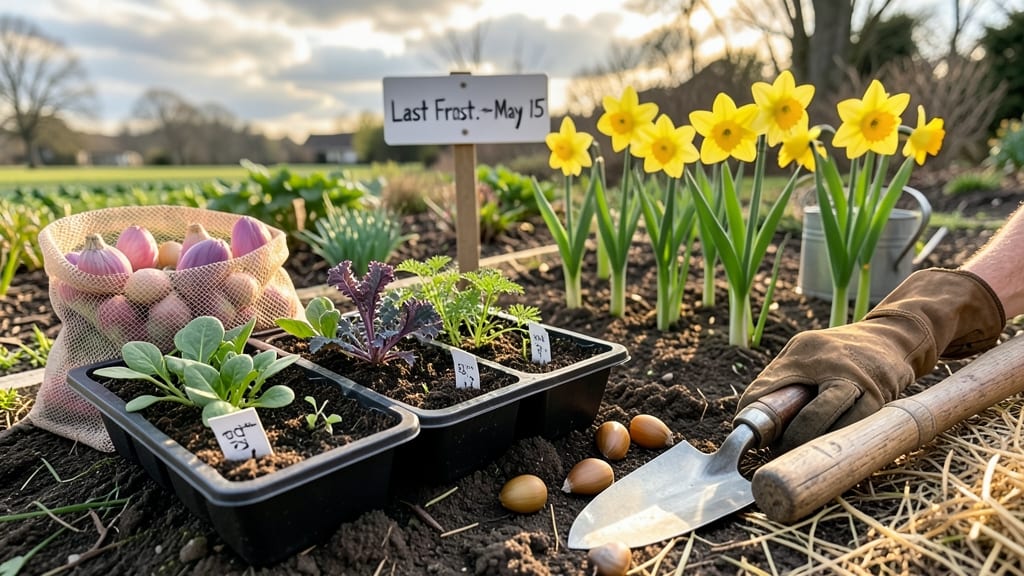
Planting your garden in Connecticut at the wrong time can mean the difference between a bountiful harvest and wasted effort. With frost dates shifting between USDA zones 5b-6b, knowing the exact window to plant your 🌱 General Garden Plants is critical for success.
Most gardeners in Connecticut wait until after the last average frost date—typically around April 15—but timing varies for warm-season crops like tomatoes and peppers. Fall planting also has strict deadlines, especially in colder microclimates where the first frost arrives as early as October 31.
This guide breaks down the ideal planting schedule by month, frost zone, and plant type, so you can avoid common mistakes like rushing tender seedlings or missing the perfect window for perennials. Whether you're growing vegetables, flowers, or herbs, we’ll help you align your planting with Connecticut’s unpredictable weather patterns.
Ready to maximize your garden’s potential? Let’s dive into the exact months and strategies that will give your plants the best possible start—no guesswork required.
Connecticut frost zones & their ideal planting windows by month
Connecticut’s USDA frost zones 5a-6b create distinct planting windows that can vary by 1-2 weeks between northern and southern regions. In zone 5a (northwest CT), the last frost typically arrives around May 15, while zone 6b (southeast CT) sees frost-free conditions by April 25.
This variation means your tomato seedlings in Hartford may be safe to plant 3 weeks earlier than those in Torrington.
For cool-season crops like lettuce and peas, you can start planting as early as March 15 in zone 6b, but wait until April 1 in zone 5a. Warm-season crops like peppers and cucumbers demand soil temperatures above 60°F, which usually occurs between May 15-30 depending on your zone.
Fall planting follows the opposite logic—zone 5a gardeners must plant kale and spinach by August 15 to mature before the October 31 first frost, while zone 6b has until September 15.
Perennials like lavender and coneflowers can be planted as late as October 1 in most of CT, but mulch heavily to protect roots.
🌱
| Zone & Location | Last Frost Date | First Frost Date | Spring Planting Window | Fall Planting Window |
|---|---|---|---|---|
| 5a (Torrington, Waterbury) | May 15 | October 31 | April 15 - May 15 | August 1 - September 1 |
| 5b (Hartford, New Haven) | May 1 | November 1 | April 1 - May 10 | August 15 - September 10 |
| 6a (Stamford, Groton) | April 25 | November 5 | March 20 - April 25 | August 30 - September 20 |
| 6b (New London, Norwich) | April 15 | November 10 | March 15 - April 15 | September 1 - September 25 |
*Dates based on 30-year averages; use row covers for 2-3 week extensions.
To navigate these windows, I recommend tracking soil temperatures with a soil thermometer—warm-season crops like eggplants won’t thrive until the soil hits 70°F, often 2 weeks after air temperatures cooperate.
In my zone 5b garden, I’ve found that strawberry plants planted in late April outperform those planted in early May, thanks to their ability to establish roots before summer heat arrives.
For perennials and shrubs, the best time to plant is in early spring (April) or early fall (September), when soil is workable but not frozen. I’ve noticed that hydrangeas planted in fall bloom 2 weeks earlier the following year compared to spring-planted ones.
This is because cooler fall temperatures encourage root growth without stressing the plant.
One common mistake I see is planting warm-season vegetables too early. For example, tomato seedlings planted in mid-April in zone 5a will often stunt or die from cold soil. Instead, I start them indoors in March and harden them off before transplanting after May 1.
For cool-season crops, the opposite is true—planting spinach in July will cause it to bolt within weeks.
🌿
To extend your growing season, consider using row covers or cold frames. In my experience, these can push the last frost date back by 3-4 weeks in spring and delay the first frost by 2 weeks in fall.
For example, I’ve successfully grown bush beans until October 15 in zone 5b using a simple floating row cover, compared to the usual September 15 cutoff.
Pro tip: Use almanac frost date maps (like the Old Farmer’s Almanac) alongside your local Cooperative Extension Service data for the most accurate predictions. I cross-reference both sources annually to adjust my planting timeline—sometimes the almanac predicts frost a week earlier than local records show.
📋
Best planting schedule for Connecticut vegetables, flowers, and herbs
Connecticut’s 165 frost-free days create a tight window for planting, but with the right schedule, you can grow everything from tomatoes to marigolds successfully. Start by dividing plants into cold-hardy (spring) and warm-season (summer) categories—this avoids frost damage while maximizing yield.
For spring planting, begin with cool-season crops like lettuce and peas in March (under row covers) and transition to tomatoes and peppers by May 15. Fall planting mirrors this but works backward: sow kale and radishes in August, then add pansies by September 15.
🌱
- Spring Planting Timeline
- March: Start onion sets and spinach indoors or under row covers.
- April 15: Plant peas, lettuce, and carrots after last frost.
- May 1: Transplant tomatoes, peppers, and basil once soil hits 60°F.
- May 15: Sow beans and cucumbers for summer harvest.
- Fall Planting Timeline
- August 15: Direct-sow kale, broccoli, and radishes for fall harvest.
- September 1: Plant pansies and calendulas for winter color.
- September 15: Last chance for spinach and garlic (hardneck varieties).
Succession planting is key in Connecticut’s short season. For example, sow bush beans every 2 weeks from May to July to extend harvests. Similarly, replace bolted lettuce with arugula in late summer for a fall crop.
Herbs like basil and cilantro thrive in Connecticut’s climate but need precise timing. Plant basil after May 15 (it’s frost-sensitive) and harvest leaves before flowers appear. Cilantro, however, bolts in heat—sow it in March and September for best results.
🌿
Pro tip: Use soil thermometers to confirm readiness—warm-season crops like tomatoes need soil at 60°F+, while peppers prefer 70°F+. If temperatures dip, extend the season with row covers or move potted plants indoors.