
Plants
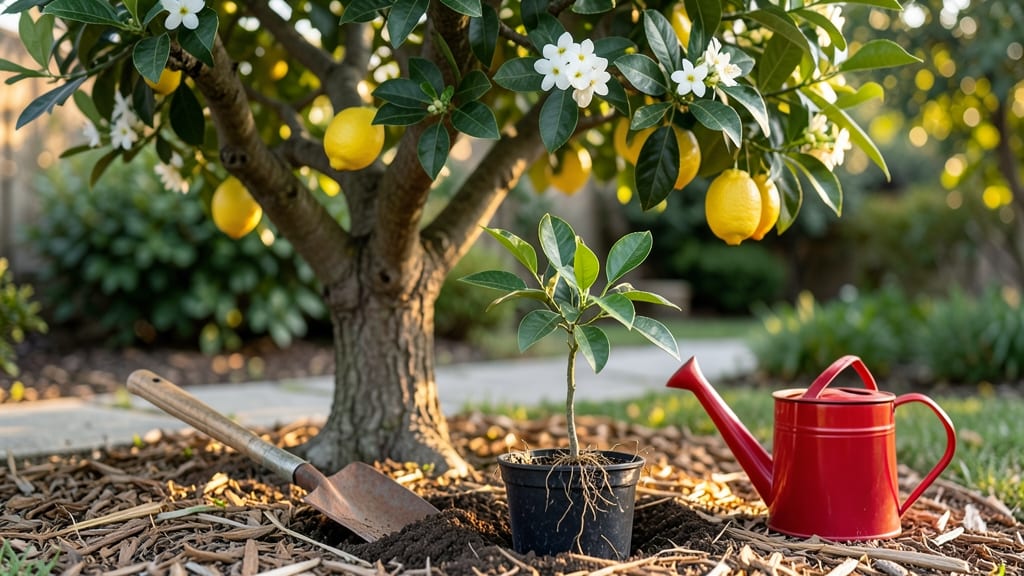
Planting a 🍋 lemon tree in Louisiana at the wrong time could mean watching your citrus struggle through frost or fail to thrive in the heat. The key to success?
Timing it right—either in the mild winter months or the cooler shoulder seasons when the soil is warm but the air stays gentle.
Louisiana’s 8a-9b climate zones give you two prime windows to get your lemon tree in the ground: February through April or September through November.
These periods let you avoid the brutal summer heat and the rare but damaging cold snaps that can sneak in during late fall or early spring.
But here’s the catch: even within these windows, your location matters. Coastal areas with milder winters might push planting later, while inland spots with harder freezes need to plant earlier.
I’ll break down exactly how to read your microclimate and adjust your schedule—so you can give your lemon tree the best shot at flourishing.
Ready to turn your yard into a citrus paradise? Let’s dive into the perfect months, soil prep secrets, and post-planting care that’ll keep your lemon tree thriving year-round—even in Louisiana’s unpredictable weather.
Best planting months for lemon trees in Louisiana’s climate zones
Louisiana’s humid subtropical climate creates perfect conditions for growing lemon trees, but getting the planting timing right is critical. The state spans USDA zones 7b-9a, with frost risk varying dramatically between northern and southern regions.
Planting too early or late can expose your tree to frost damage or heat stress, so understanding your specific zone is key.
In northern Louisiana (zones 7b-8a), where frost can occur as late as mid-February, your planting window is shorter. Meanwhile, southern Louisiana (zones 8b-9a) offers a longer season with minimal frost risk.
The ideal months for planting are February through April (spring) and September through November (fall), aligning with soil temperature requirements and avoiding extreme heat or cold.
Here’s how to match your planting schedule to Louisiana’s microclimates and frost-free periods for maximum success:
| Zone | Last Frost Date | Best Planting Window | Soil Temp Requirement | Key Consideration |
|---|---|---|---|---|
| 7b (Northeast LA) | Mid-February | March-April or October | 60°F+ (15°C+) | Highest frost risk; use microclimates |
| 8a (Central LA) | Early February | February-April or September-November | 60°F+ (15°C+) | Moderate frost risk; protect young trees |
| 8b (South LA) | Late January | January-April or August-November | 55°F+ (13°C+) | Minimal frost; longer growing season |
| 9a (Southeast LA) | Mid-January | Year-round (best: Feb-Apr, Sep-Nov) | 50°F+ (10°C+) | Frost-free; ideal for container growing |
For spring planting (February-April), aim to get your lemon tree in the ground 4-6 weeks before the last frost. This gives roots time to establish before summer heat arrives.
In northern Louisiana, this means waiting until mid-March or later, while southern regions can start as early as February.
Fall planting (September-November) is equally important, especially in zones 7b-8a. Planting in October allows roots to establish before winter, while avoiding the first frost (typically early December). In zone 9a, you can even plant as late as November with proper protection, thanks to milder winters.
One common mistake is planting in summer (May-August), when Louisiana’s humidity and heat can stress young trees. If you must plant during these months, choose shade-acclimated nursery stock and provide afternoon shade for the first 2-3 weeks. Mulch heavily to retain moisture and reduce temperature fluctuations.
Soil temperature is another critical factor. Lemon trees thrive when soil is at least 60°F (15°C). Use a soil thermometer to monitor conditions—planting when soil temps are consistently above this threshold ensures root growth isn’t stunted.
In northern Louisiana, this often means waiting until late March for spring planting.
Pro tip: If you’re in zone 7b and want to plant in fall, consider using a container-grown tree with a dwarf rootstock. These adapt better to microclimates (like near south-facing walls) and can be moved indoors during rare freezes.
Just ensure the container has drainage holes to prevent root rot in Louisiana’s heavy clay soils.
Finally, always choose bare-root or container-grown trees from reputable nurseries. Avoid mail-order trees that arrive during extreme heat or cold, as they’ll struggle to adapt. With the right timing and care, your lemon tree will thrive year-round in Louisiana’s climate—producing fruit even in winter if protected!
Best planting months for lemon trees in Louisiana’s climate zones
Louisiana’s USDA hardiness zones 7b-9a create a near-perfect climate for growing lemon trees, but timing matters. The ideal planting window spans February through April and September through November, aligning with soil warmth and frost-free periods.
Citrus trees thrive when soil temperatures stay above 60°F (15°C). In Louisiana, this typically happens after the last frost date, usually around mid-February in most regions. Planting too early risks cold damage, while waiting too late may delay fruit production.
Spring planting (February-April) gives young trees time to establish roots before summer heat. Fall planting (September-November) allows roots to grow before winter dormancy, but avoid planting after mid-November when frost risk increases.
🌱 Lemon Tree Planting Guide for Louisiana
| Season | Best Months | Soil Temp | Frost Risk |
|---|---|---|---|
| Spring | February - April | 60°F+ | Low (after mid-Feb) |
| Fall | September - November | 65°F+ | Moderate (after Nov 15) |
Note: Northern Louisiana (Zone 7b) has higher frost risk; extend planting window to early May if needed.
For container-grown lemon trees, you can plant as late as November in southern Louisiana (Zones 8a-9a), where frost is rare. However, move pots indoors or to a protected garage if temperatures drop below 40°F (4°C).
In northern Louisiana (Zone 7b), prioritize spring planting (March-April) to avoid winter freezes. If planting in fall, choose a sheltered microclimate near a south-facing wall or under overhead cover.
Always test your soil’s pH (6.0-7.0 ideal) and amend with compost or citrus-specific fertilizer before planting. Mulch with pine straw or wood chips to retain moisture and regulate soil temperature.