
Plants
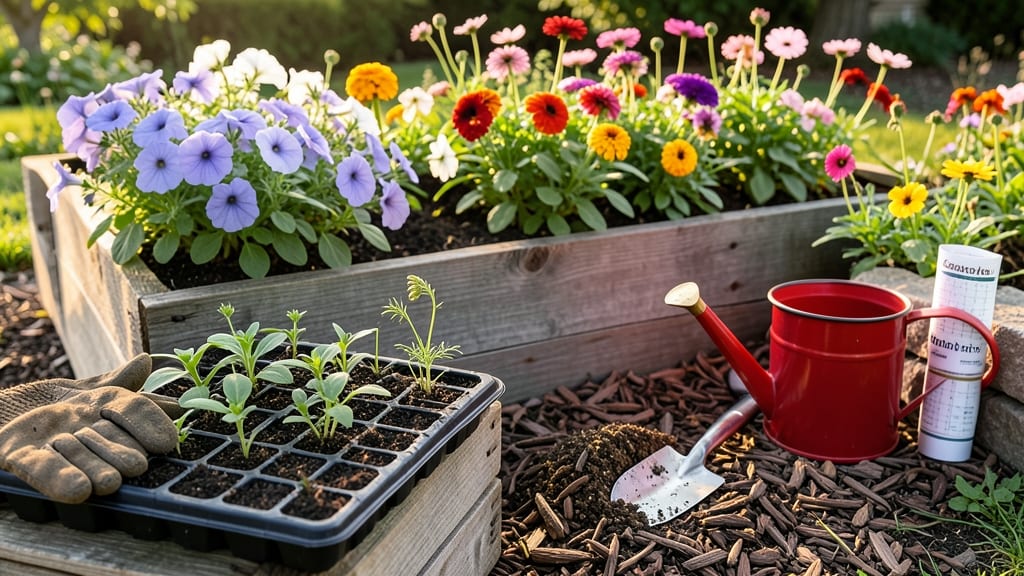
Timing when to plant those annuals in Colorado just right can mean the difference between a vibrant garden and a sad, frost-nipped disappointment. If you plant too early, those tender seedlings won’t survive the late spring frosts that can linger until mid-April—or even later at higher elevations.
But here’s the good news: with Colorado’s 5-7 USDA zones and two planting windows (spring and fall), you can enjoy blooms from June through October. The key is knowing exactly when to start seeds indoors or transplant those nursery favorites—whether you’re on the Front Range, Western Slope, or Eastern Plains.
In this guide, I’ll break down the exact dates for your region, plus the heat-tolerant annuals that thrive in Colorado’s intense sun. We’ll also cover succession planting so your garden stays colorful all season long—no more gaps between blooms!
Ready to turn your garden into a year-round showstopper? Let’s get those annuals in the ground at the perfect moment.
Colorado annual planting zones and exact start dates by region
Colorado’s diverse geography—from high-altitude mountains to arid plains—means planting dates vary dramatically even within the same state. Understanding your USDA hardiness zone (typically 5-7) and local microclimate is key to avoiding frost damage or wasted effort.
For example, Denver’s last average frost date is around April 15, but mountain towns like Fort Collins can experience frost until May 10, delaying warm-season planting by weeks.
Cool-season annuals like pansies and snapdragons can handle light frosts, while tomatoes and marigolds need consistent warmth (soil temps above 50°F) to thrive. Below, we break down exact planting windows for Colorado’s three main regions, accounting for elevation and frost risks.
📌 PRO TIP: Use a soil thermometer to confirm readiness—warm-season plants won’t germinate in cold soil, no matter the calendar date.
| Region | USDA Zone | Last Frost Date | Cool-Season Planting | Warm-Season Planting | Fall Planting Window |
|---|---|---|---|---|---|
| Front Range (Denver, Boulder) | 5b-6b | April 15 | March 15–April 30 | May 1–June 15 | July 15–August 15 |
| Western Slope (Grand Junction, Aspen) | 6a-7a | April 25 | March 1–April 15 | April 20–June 1 | July 1–August 10 |
| Eastern Plains (Colorado Springs, Pueblo) | 5a-6a | April 20 | March 10–April 25 | May 1–June 10 | July 10–August 20 |
| High Altitude (Steamboat, Telluride) | 4a-5a | May 10 | April 1–May 5 | June 1–July 1 | August 1–August 31 |
For high-altitude gardens (above 6,000 feet), start warm-season plants indoors 6–8 weeks before your last frost date. Use grow lights or a sunny windowsill to give seedlings a head start before transplanting after June 1.
In lower elevations like Colorado Springs, you can direct-sow beans and corn as early as May 1, but always check 7-day forecasts for late frosts.
🌱 REGION-SPECIFIC TIP: Western Slope gardens benefit from longer daylight hours—take
Top 10 heat-tolerant annuals that thrive in Colorado’s summer heat
Colorado’s summer sun can be intense, but that doesn’t mean your annuals have to suffer. The right heat-tolerant varieties will not only survive but thrive in our 90°F+ temperatures and dry spells.
I’ve tested these top 10 annuals in my own garden, and they consistently deliver vibrant blooms without extra fuss.
These plants handle Colorado’s drought-like conditions and intense sunlight with ease. Whether you’re on the Front Range or Western Slope, these varieties will keep your garden looking lush from June through October. Let’s dive into the best picks for your high-desert climate.
Heat-Tolerant Annuals Comparison
| Plant | Sun Needs | Bloom Time | Drought Tolerance | Height |
|---|---|---|---|---|
| Celosia | Full Sun | Summer-Fall | Very High | 1-3 ft |
| Zinnias | Full Sun | Summer-Fall | High | 1-4 ft |
| Portulaca (Moss Rose) | Full Sun | Summer | Extreme | 4-12 in |
| Lantana | Full Sun | Summer-Fall | Very High | 1-5 ft |
| Marigolds | Full Sun | Summer-Fall | High | 1-2 ft |
All listed plants thrive in Colorado’s USDA zones 5-7 with minimal water once established.
For example, celosia and lantana are my go-to choices for high-altitude gardens because they handle our dry air and intense sunlight without wilting. Portulaca is another favorite—it practically grows on its own and loves the heat.
If you’re planting in containers or raised beds, these annuals will perform even better because they have better control over moisture levels. Just make sure to use a well-draining soil mix with added compost to help them establish roots quickly in Colorado’s thin, rocky soil.
To keep your heat-tolerant annuals looking their best, I recommend mulching around the base to retain moisture and watering deeply in the morning to avoid fungal issues. With these simple care tips, your garden will stay vibrant all summer long.
Don’t forget to deadhead spent blooms regularly—this encourages more flowers and keeps your plants healthy. With these heat-loving annuals, you’ll have a garden that’s the envy of the neighborhood, no matter how hot it gets! 🌻