
Trees
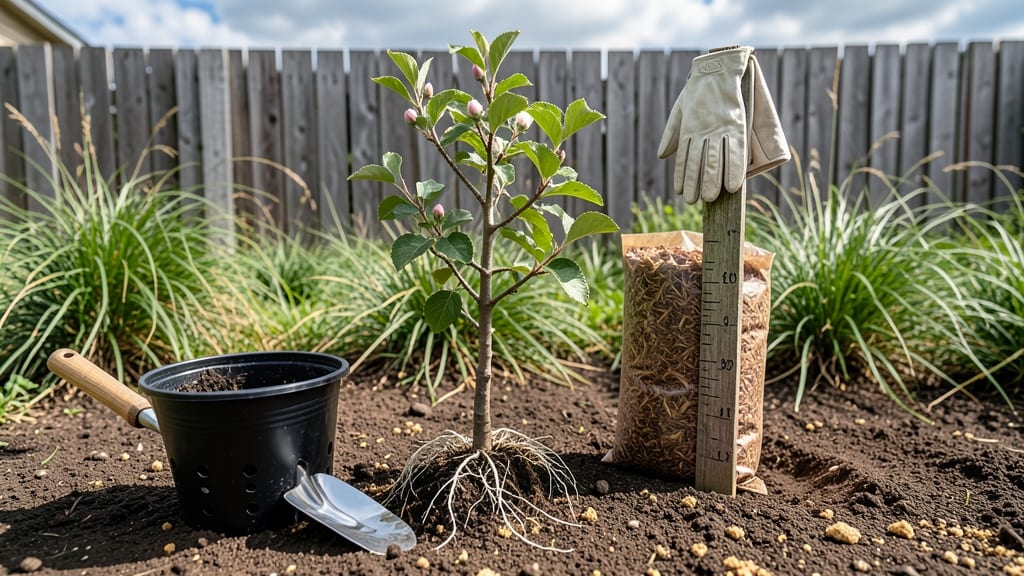
Planting an apple tree 🍎 in Alabama isn’t just about grabbing a sapling and digging a hole—it’s about timing it right to beat the state’s unpredictable springs and scorching summers. The wrong window could mean your tree struggles to fruit or worse, fails to survive the heat.
Alabama’s 7b-8a climate demands precision, especially when matching varieties to their chill-hour needs—a critical factor most gardeners overlook.
Most experts agree that late winter to early spring—February through March—is your best shot for success. This timing lets roots establish before the heat sets in, while avoiding early frosts that can damage tender new growth.
But here’s the catch: not all apple trees thrive equally in Alabama’s mild winters, which often don’t provide enough chill hours for traditional varieties like Granny Smith.
In this guide, I’ll break down the exact months to plant based on your tree’s chill requirements, plus how to pick the right variety for your microclimate—whether you’re in urban Birmingham or rural Zone 8a.
You’ll also learn how to prep your soil and protect your investment from Alabama’s biggest planting pitfalls.
Skip the guesswork and plant with confidence—your future harvest depends on getting this step right. Let’s make sure your apple tree doesn’t just survive, but thrives in Alabama’s challenging conditions.
Best planting months for Alabama apple trees based on chill-hours
Alabama’s climate—with its mild winters and sudden spring warmth—demands precision when planting apple trees. The key factor? Chill-hours, the number of hours below 45°F (7°C) your tree needs to bloom properly. Most Alabama varieties thrive with 300–600 chill-hours, but timing still matters.
Plant too early, and frost can damage roots; too late, and your tree may struggle to establish before summer heat arrives.
For bare-root apple trees, the ideal window is late winter to early spring (February–March), before buds swell. This gives roots time to establish before Alabama’s humid summers stress young trees. Container-grown trees offer more flexibility—plant them anytime during the dormant season (November–March), but avoid extreme heat or cold snaps.
Here’s how Alabama’s USDA Zones 7b–8a influence planting: In northern Alabama (Zone 7b), where winters are slightly cooler, you can push planting to early February.
In southern Alabama (Zone 8a)mid-March to avoid early spring warmth that can trick trees into premature growth, leaving them vulnerable to late frosts.
🌱 Pro Tip: Check your local chill-hour accumulation using tools like the Alabama Cooperative Extension Service maps. For example, Ein Shemer (300–400 chill-hours) thrives in Mobile (Zone 8a), while Dorsett Golden (600+ chill-hours) does better in Huntsville (Zone 7b).
🍎 Alabama Apple Tree Planting Guide by Month
| Month | Best for Planting? | Chill-Hour Status | Risk Factors |
|---|---|---|---|
| February | ✅ Ideal (bare-root) | Chill-hours accumulating | Late frost risk in Zone 7b |
| March | ✅ Best for all zones | Peak chill-hours | Sudden warmth can stress roots |
| April | ⚠️ Risky (if buds swell) | Chill-hours may be met | Heat stress, drought |
| November | ✅ Good (container-grown) | Chill-hours starting | Early frost risk |
| December–January | ❌ Avoid (dormant season) | No chill-hours | Root damage from freeze/thaw |
💡 Key: ✅ = Optimal, ⚠️ = Proceed with caution, ❌ = Avoid
If you’re planting in urban Alabama (e.g., Birmingham or Montgomery), microclimates can shift planting windows by 2–4 weeks. Urban areas often experience “heat islands”, where asphalt and buildings trap warmth.
Monitor local frost dates—the average last frost in Zone 7b is March 15, while Zone 8a sees frost as late as April 1.
For low-chill varieties (e.g., ‘Zestar!’ or ‘Akane’), you can plant as late as early April in southern Alabama, but prioritize well-draining soil to prevent root rot from summer rains. In contrast, standard-chill varieties (e.g., ‘Gala’ or ‘Fuji’) must go in by mid-March to meet their 600+ chill-hour needs.
🌿 Soil Prep Tip: Alabama’s clay-heavy soils in many regions (like Madison Countycompost or pine bark fines to improve aeration. Aim for a pH of 6.0–6.5—test your soil with a home kit or send a sample to the Alabama Extension Soil Lab.
After planting, mulch with 3–4 inches of organic mulch (e.g., pine straw or wood chipshumid summers, mulch also suppresses weeds and reduces fungal diseases like apple scab, which thrives in wet conditions.
Finally, stake young trees if your area experiences winds over 10 mph—common in coastal Alabama. Use soft ties (not wire) to avoid girdling the trunk as it grows. With the right timing and care, your apple tree will reward you with harvests in 3
How to match apple tree varieties to Alabama’s chill-hour zones
Alabama’s 300–600 chill-hour zones mean traditional apple varieties like Granny Smith often fail to bloom properly. Instead, focus on low-chill cultivars bred for warm climates. These varieties—like ‘Ein Shemer’ (300–400 hours) or ‘Akane’ (500–600 hours)—thrive in Alabama’s Zone 7b–8a without requiring extra winter chilling.
The right match ensures reliable flowering and fruit set, even in Mobile or Birmingham.
Start by checking your local chill-hour accumulation using the Alabama Cooperative Extension’s climate maps. For example, northern Alabama (Zone 7b) typically accumulates 500–600 chill-hours, while southern Alabama (Zone 8a) often sees only 300–400 hours.
This difference explains why ‘Dorsett Golden’ (600+ hours) struggles in Mobile but excels in Huntsville.
🌱 Variety Matching Tip: If you live in Zone 8a, prioritize ‘Zestar!’ series (e.g., ‘Zestar!’ Red Delicious) or ‘Anna’, which need just 300–400 chill-hours.
For Zone 7b, ‘Akane’ or ‘Gala’ (500–600 hours) are safer bets. Always verify chill requirements with your local nursery or extension office.
🍎 Top Alabama Apple Varieties by Chill-Hour Zone
| Variety | Chill-Hours | Best Zone | Disease Resistance |
|---|---|---|---|
| Ein Shemer | 300–400 | 8a (Mobile) | High (scab, fire blight) |
| Akane | 500–600 | 7b–8a | Moderate (rust, mildew) |
| Zestar! Red Delicious | 300–400 | 8a (Coastal) | High (scab, rot) |
| Anna | 300–400 | 8a (Urban) | Moderate (fire blight) |
| Dorsett Golden | 600+ | 7b (Huntsville) | Low (rust, mildew) |
💡 Note: Disease resistance varies—always choose local nursery stock for best adaptability.
Beyond chill-hours, consider rootstock for dwarf or semi-dwarf trees. In Alabama’s humid climate, M.9 or B.9 rootstocks help trees stay compact while improving disease resistance. Avoid standard-sized trees in small yards—they’ll struggle with summer heat stress and limited airflow.
🌿 Planting Hack: For urban Alabama, choose columnar varieties like ‘Urban Apple’ (300–400 chill-hours). These grow 10–12 feet tall but stay narrow, fitting tight spaces while producing high yields. Pair with dwarf rootstock for even better space efficiency.
Finally, pollination matters—most apple trees need a compatible pollinator within 50 feet. In Alabama, plant two varieties (e.g., ‘Akane’ + ‘Zestar!’) to ensure cross-pollination. If space is limited, opt for self-pollinating varieties like ‘Anna’, though yields may be smaller.
With the right match, your Alabama apple tree will bloom reliably and produce fruit year after year.