
Trees
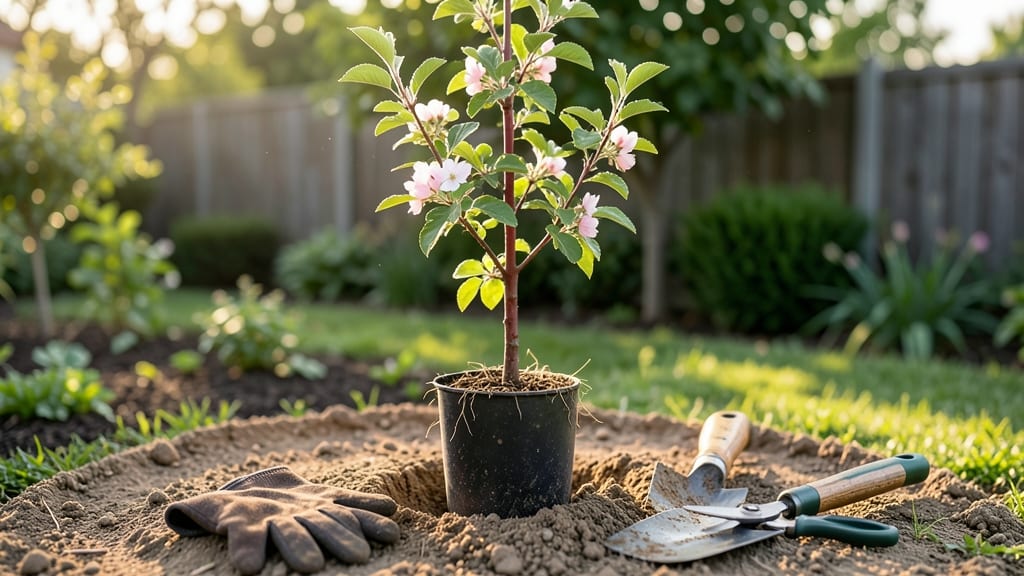
Planting an apple tree 🍎 in Connecticut’s Zone 5B-6B isn’t just about grabbing a sapling—it’s about matching your variety to the 165 frost-free days and 300–1,000 chill hours the climate demands.
Skip this step, and you might end up with a tree that blooms but never bears fruit, or worse, dies back in the first winter.
I’ve learned the hard way that timing is everything—whether you’re planting bare-root trees in late winter or container-grown varieties in early spring. The key? Aligning your schedule with Connecticut’s last frost date (April 15) and the specific chill-hour needs of your chosen variety.
Get it right, and you’re setting up a decades-long harvest of crisp, homegrown apples.
In this guide, I’ll walk you through the exact months to plant for optimal success, how to prep your soil for CT’s rocky terrain, and which apple varieties thrive here—plus the 3 critical mistakes that derail even experienced gardeners. Ready to turn your yard into an orchard?
Let’s dive into the chill-hour matching system that’ll ensure your apple tree not only survives but thrives in Connecticut’s unpredictable seasons.
Best planting months for apple trees in CT based on chill-hour requirements
Connecticut’s Zone 5B-6A climate demands precision when planting apple trees—your tree’s success hinges on matching its chill-hour needs (300–1,000+ hours below 45°F) with the state’s 165 frost-free days. Plant too early, and frost will damage tender roots; too late, and your tree won’t establish before winter.
The sweet spot? Late winter to early spring, specifically March and April, when soil thaws but frost risk remains low.
Western CT (warmer microclimates like Danbury) can push planting into early May for container-grown trees, while eastern CT (cooler areas like New London) should stick to March-April to avoid late frosts.
Bare-root trees—my go-to for cost and hardiness—thrive when planted 4–6 weeks before last frost (April 15), giving roots time to knit before blooming season.
Fall planting is riskier in CT but works for container-grown trees in October, provided you mulch heavily (4–6 inches) to insulate roots. The key? Soil temperature must stay above 40°F for 2 weeks post-planting. I’ve seen neighbors skip this rule and lose saplings to winter heave—don’t make that mistake!
Here’s how CT’s microclimates affect timing:
| Region | Best Planting Window | Chill-Hour Range | Soil Prep Tip |
|---|---|---|---|
| Western CT (Zone 6A) | March 15–April 30 | 600–1,000+ hours | Amend clay soil with compost and sand |
| Central CT (Zone 5B-6A) | March 1–April 15 | 400–800 hours | Test pH (6.0–6.5); add lime if needed |
| Eastern CT (Zone 5B) | March 1–April 10 | 300–600 hours | Mulch with wood chips to retain heat |
| Fall Planting (All Regions) | October 1–15 (container trees only) | Varies by variety | Water deeply before first frost |
Pro tip: Use CT’s frost-free date map (from the UConn Home & Garden Education Center) to fine-tune your timing. For example, Hartford’s last frost averages April 10, while Stamford’s is April 20.
Planting a Honeycrisp (800+ chill hours) in western CT? You’re golden. But in eastern CT, opt for McIntosh (400–600 hours) to avoid bloom failure.
One more critical factor: rootstock. Dwarf trees (grafted onto M.9 rootstock) need less chill (300–500 hours) and can handle later planting, while standard trees (seedling rootstock) demand 800+ hours and must go in early.
I’ve seen gardeners skip this detail and end up with a 6-foot tree that never bears fruit—don’t let that be you!
After planting, water deeply (15–20 gallons) and mulch with 4 inches of wood chips to lock in moisture. In CT’s rocky soil, I also mix in composted manure to boost nutrients before the first flush of spring growth.
This prep work makes all the difference in your tree’s first critical year.
Remember: April 15 isn’t just a date—it’s your deadline. Plant after that, and you risk late-season frosts damaging new shoots. Mark your calendar, and you’ll be rewarded with decades of homegrown apples.
Best planting months for apple trees in CT based on chill-hour requirements
Connecticut’s Zone 5B-6A climate demands precision when planting apple trees—your choice between fall or spring planting hinges on chill-hour needs (300–1,000+ hours) and your tree’s maturity timeline. Most nurseries recommend bare-root trees in late winter (February–March) or container-grown trees in early spring (April), but timing varies by variety and microclimate.
Western CT’s slightly warmer microclimate (e.g., Danbury) may allow 2–3 weeks earlier planting than eastern areas (e.g., Hartford). Always plant 4–6 weeks before your last frost date (April 15 in most regions) to avoid frost damage to emerging roots.
For container-grown trees, extend this window to May if needed, but prioritize soil warmth over calendar dates.
🌱 CT Apple Tree Planting Timeline
| Season | Best Time | Chill-Hour Prep | CT-Specific Tip |
|---|---|---|---|
| Fall | October–November | 600+ hours accumulated | Avoid planting after November 15—soil freezes too quickly. |
| Late Winter | February–March | 300–500 hours remaining | Ideal for bare-root trees—soak roots for 4–6 hours before planting. |
| Early Spring | April | 100–300 hours remaining | Best for container-grown trees—wait until soil reaches 50°F. |
| Late Spring | May (emergency only) | <50 hours remaining | Risky—only for dwarf varieties with high heat tolerance. |
For fall planting, aim to complete the process 6–8 weeks before ground freezes (typically by November 15). This gives roots time to establish before winter dormancy.
In CT’s rocky soil, amend planting holes with compost and sand to improve drainage—a critical step for preventing root rot in heavy clay areas like New Haven.
Spring planting offers a longer window but requires soil temperature checks. Use a soil thermometer—plant when temps consistently stay above 45°F. In western CT, this often means mid-to-late March, while eastern regions may wait until April.
Pro tip: Mulch heavily (4–6 inches) after planting to retain moisture and regulate soil temps.
Regardless of season, avoid planting during extreme weather. A heatwave in June or snow in December can shock roots. CT’s 165 frost-free days mean your tree must establish quickly—prioritize well-draining soil and full-sun exposure (6+ hours daily) to maximize growth.