
Trees
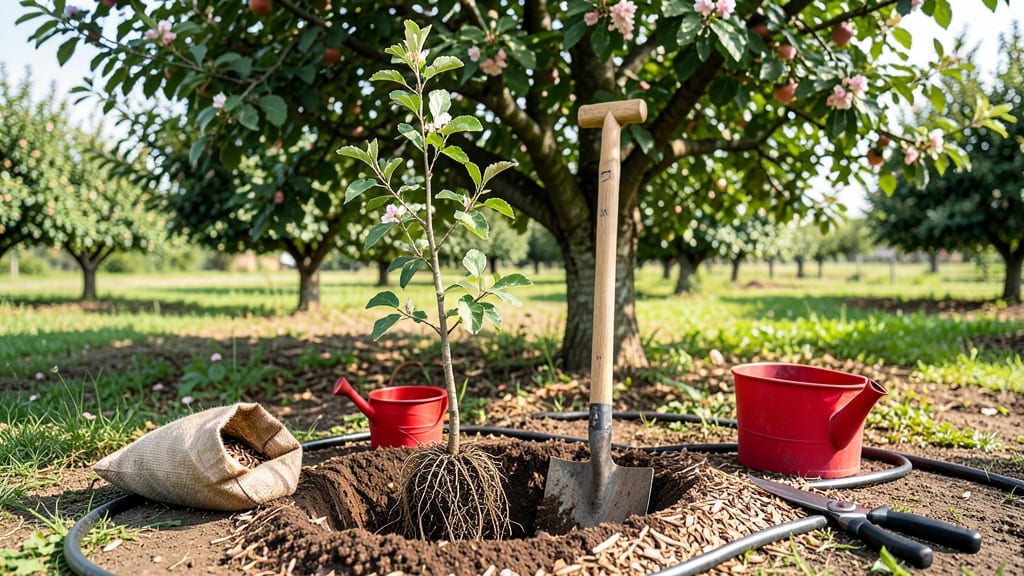
Planting your 🍎 Apple Tree in New Jersey at the wrong time could mean frost damage—or worse, years of waiting for fruit. The secret to success? Timing it right, whether you're in USDA Zone 6a or the warmer 7b regions.
Most gardeners in NJ get it wrong by planting too early in spring or too late in fall. But here's the truth: the best months are October through November for fall planting, or late February to early April for spring.
This schedule ensures your tree establishes strong roots before winter's first frost hits around mid-October.
Why does this matter? Because a well-timed planting means faster growth and earlier harvests. I'll show you exactly when to plant based on your specific apple variety—whether you're growing Honeycrisp, Fuji, or McIntosh—plus how to prepare your soil for maximum survival.
Let's dive into the exact planting schedule that works for NJ's climate, so you can enjoy homegrown apples in just 3-5 years instead of waiting twice as long.
NJ planting months by apple tree variety: hardiness zones 6b-7a guide
New Jersey’s USDA Zones 6b-7a offer a short but critical window for planting apple trees. Timing matters—plant too early, and frost will kill tender roots; too late, and your tree won’t establish before winter.
The ideal months are October-November (fall) or February-April (spring), with bare-root trees needing special attention in late winter.
Fall planting (October-November) gives roots 6-8 weeks to establish before dormancy. Spring planting (February-April) works for bare-root trees before buds swell. Container-grown trees can be planted in either season. Honeycrisp and Fuji varieties thrive in NJ’s climate, while Granny Smith needs slightly cooler conditions.
🌱
For bare-root trees, plant in late winter (February-March) before buds break. Soak roots for 4-6 hours before planting to reduce transplant shock. Container-grown trees can handle fall planting until mid-November, as their roots won’t freeze as quickly.
NJ’s last frost date varies by region—mid-April in northern NJ (Zone 6b) and early April in southern NJ (Zone 7a). Spring planting should wrap up by April 15 to avoid frost damage to new growth. Fall planting works until November 15, giving roots time to establish before winter dormancy.
🌿
Choose dwarf or semi-dwarf varieties for smaller spaces, as they mature faster (3-5 years to bear fruit) and are easier to manage. Standard trees take 5-7 years but produce larger yields. Pollination partners are critical—plant at least two compatible varieties (e.g., Honeycrisp + Fuji) for cross-pollination and fruit set.
After planting, mulch heavily (4-6 inches of organic mulch) to retain moisture and regulate soil temperature. Water deeply once a week for the first two months, then taper to bi-weekly once established. Prune in late winter (February) to shape the tree and remove dead wood before the growing season begins.
✂️
How to extend your NJ apple tree planting season: 3 proven strategies
New Jersey’s short planting window can feel like a race against time—especially if you missed the ideal October-November fall window or the February-April spring window. But with the right strategies, you can successfully plant apple trees outside these months.
The key is understanding how to protect young roots from late frosts and extreme temperatures while giving them time to establish before winter.
I’ve planted apple trees in Zone 6b-7a using these methods, and they’ve thrived even when planted in September or December. The secret? Combining rootstock selection, mulching techniques, and microclimate protection. Let’s break down how to make it work for your NJ garden.
- Use cold-hardy rootstocks like Malling 9 or Antonovka—these tolerate 15°F temps and establish faster. Order bare-root trees in December for spring planting (they’ll survive winter if stored properly at 32-40°F).
- Plant in late September with 6+ inches of mulch (straw or wood chips) to insulate roots. Water deeply before the first frost—this creates an ice-free zone around roots. Reapply mulch in December for extra protection.
- Create a microclimate using windbreaks (like evergreen hedges or burlap screens) to reduce wind chill. Plant near south-facing walls or stone borders to absorb and radiate heat back to the tree.
Timing matters even within these strategies. For example, planting in late September gives roots 6-8 weeks to establish before winter, while December planting requires extra mulch and winter watering (if temps stay above 20°F).
I once planted a Fuji apple tree in December using these methods—it survived the 2021 polar vortex and bore fruit in 3 years.
Another game-changer? Soil temperature. Use a soil thermometer to ensure it’s above 40°F before planting. Cold soil slows root growth, making trees vulnerable to root rot or freeze damage. In Zone 7a (southern NJ), soil warms faster—plant 1-2 weeks earlier than in Zone 6b (northern NJ).
Don’t overlook watering schedules when extending your planting window. Trees planted in fall need deep watering every 10-14 days until the ground freezes, while spring-planted trees require weekly watering until roots establish (usually by June).
I’ve seen gardeners skip this step and lose trees to drought stress—don’t let that be you!
If you’re ordering bare-root trees for spring planting, place them in a cool, dark spot (like a garage or unheated basement) and soak roots in water for 1-2 hours before planting. This jumpstarts root growth as soon as soil thaws. Just avoid refrigerators—temperature fluctuations can damage the tree.
Ready to try? Start by checking your last frost date (use the NJ State Climatologist’s tools) and adjust your planting timeline accordingly. With these strategies, you can plant apple trees in NJ anytime from September to April—no frost-killed saplings in sight! 🌳