
Plants
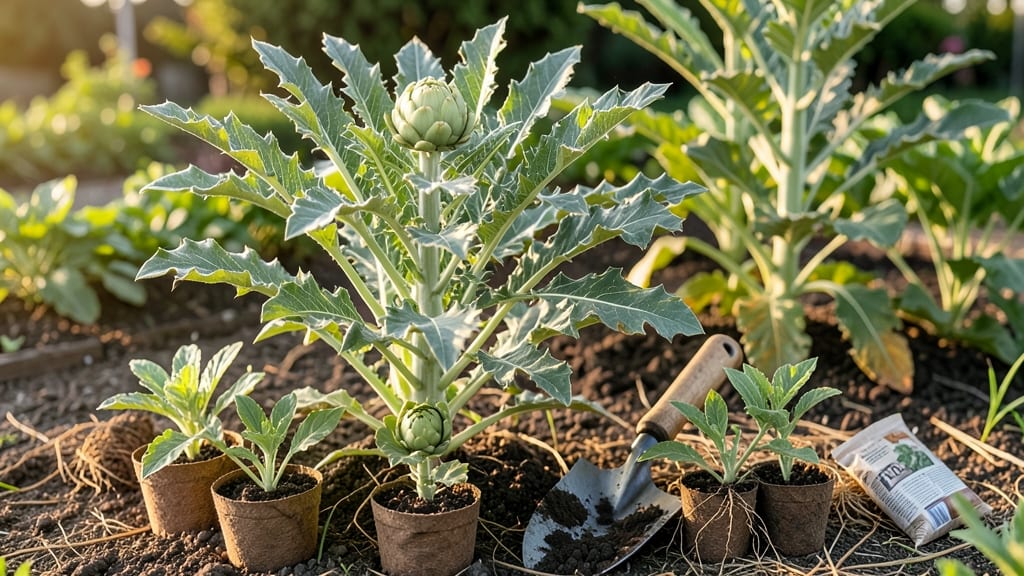
Planting artichokes in Texas isn’t just about the calendar—it’s about dodging frost, beating the heat, and timing your harvest for that perfect May-June window when your garden is ready to reward you with those prized buds. 🌱
If you’ve ever watched a seedling wilt under North Texas’s late February chill or struggled with South Texas’s scorching September sun, you know the stakes. The right moment to plant can turn a gamble into a guaranteed harvest, whether you’re sowing seeds or transplanting sturdy seedlings.
I’ve spent years perfecting the timing for Texas’s unique climate zones—from the 8a-10b frost-free days to the heat waves that can fry tender plants if you’re not careful. What I’m about to share isn’t just theory; it’s battle-tested advice for gardeners who refuse to let Texas’s extremes dictate their success.
Ready to unlock the secrets? Let’s dive into the exact months, soil prep tricks, and early care steps that’ll have your artichoke plants thriving—no matter where in the Lone Star State you’re growing.
Best months to plant artichokes in Texas regions (frost-free zones)
Texas’s diverse climate means artichoke planting times vary dramatically from North to South Texas. In Zone 8a (North Texas), frost can linger until mid-February, while Zone 10b (South Texas) enjoys frost-free winters year-round.
Your last frost date dictates whether you plant in spring or fall—and even the variety you choose.
For spring plantings, aim for late February to early March in North Texas, when soil temperatures hit 60°F (15°C).
In Central Texas (Zone 8b-9a), shift planting to early March, while South Texas gardeners can start as early as January—or even September for fall harvests. Missing these windows risks heat stress or frost damage.
Artichokes thrive in Texas’s heat, but they despise extreme summer temperatures above 95°F (35°C). Planting too late in spring means your plants will bolt (flower prematurely) or struggle to mature before scorching August heat. Conversely, fall plantings in South Texas (September-October) let you harvest before winter chill sets in.
| Region | USDA Zone | Last Frost Date | Best Planting Months | Harvest Window |
|---|---|---|---|---|
| North Texas | 8a | February 15 | Late Feb–Early Mar (Spring) / Sep–Oct (Fall) | May–June (Spring) / Dec–Jan (Fall) |
| Central Texas | 8b–9a | February 1 | Early Mar–Mid-Apr (Spring) / Aug–Sep (Fall) | June–July (Spring) / Nov–Dec (Fall) |
| South Texas | 9b–10b | January 15 | January–February (Spring) / Sep–Oct (Fall) | April–May (Spring) / Dec (Fall) |
In North Texas, where frost risks linger, opt for Green Globe artichokes—they mature faster (100–120 days) and tolerate cooler soils. For Central Texas’s warmer microclimates, try Imperial Star (120–150 days) for larger buds.
South Texas gardeners should prioritize fall plantings to avoid summer’s 100°F+ heat, which causes buds to abort.
Pro tip: Use black plastic mulch in spring to warm soil faster and shade cloth (30–50%) in summer to protect plants from heat stress. Both tricks let you extend the growing season by 2–4 weeks in either direction.
My Central Texas garden gained an extra 30 days of harvest last year using these methods!
For container growing, Texas gardeners can plant 1–2 weeks earlier since pots warm up faster. Just ensure containers are at least 18 inches deep—artichokes need deep root zones to access moisture during Texas’s dry spells.
I’ve successfully grown Green Globe in 5-gallon buckets on my patio, harvesting smaller but delicious buds.
Timing isn’t just about months—it’s about soil temps. Use a soil thermometer to confirm 60°F (15°C) before planting.
In North Texas, this often means waiting until mid-March even if frost is past. South Texas can plant earlier, but avoid planting after April 15—summer heat will stall growth.
Remember: Artichokes are biennials—they produce buds in their first year but bolting (flowering) in year two. In Texas’s heat, many plants bolt prematurely in their first summer. To prevent this, plant fall crops for a second harvest the following spring, or harvest and replant annually.
🌱
Best months to plant artichokes in Texas regions (frost-free zones)
Texas’s diverse climate means North, Central, and South regions have very different planting windows for artichokes. In North Texas (USDA Zones 8a-8b), the last frost typically hits around February 15, while South Texas (Zones 9a-10b) rarely sees frost.
This creates a 6-week difference in ideal planting times—critical for avoiding heat stress or frost damage.
For spring planting, aim to get seeds in the ground 4-6 weeks before the last frost date. In North Texas, that’s late January to early February, while South Texas gardeners can start as early as late December.
Fall planting follows a similar logic but works backward from the first frost date (December 15 in North Texas, November 1 in South Texas).
Artichokes are cool-season crops that thrive in 50-70°F soil. Planting too early in chilly North Texas risks frost damage, while planting too late in hot South Texas can stress young plants. The sweet spot is when daytime highs are 65-75°F—perfect for germination and early growth.
🌱 Texas Artichoke Planting Guide by Region
| Region | Last Frost | Spring Planting | Fall Planting | Harvest Window |
|---|---|---|---|---|
| North Texas (8a-8b) | Feb 15 | Late Feb - Early Mar | Sep - Early Oct | May - June |
| Central Texas (8b-9a) | Feb 1 | Early Feb - Mid-Mar | Late Aug - Sep | Apr - May |
| South Texas (9a-10b) | Jan 15 | Late Dec - Jan | Sep - Oct | Mar - Apr |
💡 Pro Tip: Use row covers in North Texas to extend the season by 2-3 weeks.
If you’re planting seeds directly (not seedlings), start them indoors 8-10 weeks before the last frost. Use biodegradable pots to avoid transplant shock when moving them outside. For transplanting seedlings, wait until soil temps reach 60°F (15°C)—use a soil thermometer to check.
Artichokes need consistent moisture during germination, so water daily for 2 weeks after planting. In South Texas’s heat, mulch heavily to retain moisture and protect roots. Avoid planting in summer months—artichokes hate heat stress and may bolt or produce bitter buds.
For a fall harvest, plant in September in North Texas or August in South Texas. This gives plants enough time to mature before cooling temps slow growth. In USDA Zone 10b, you can even get a winter harvest by planting in late October.