
Plants
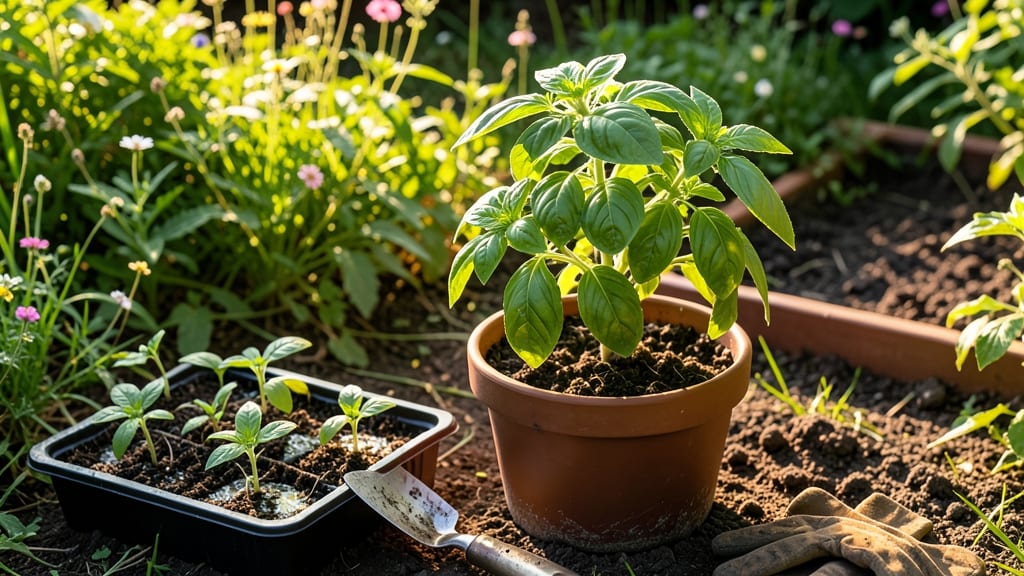
Timing your basil planting in Seattle isn't just about the calendar—it's about beating frost while accounting for the city's famously fickle weather.
With USDA Zone 8a conditions and microclimates that can vary wildly between urban and rural areas, getting it right means the difference between a thriving 🌿 harvest and a sad, frost-nipped disappointment.
Most gardeners know spring is the prime window, but Seattle's last frost typically lingers until mid-April, and late frosts can still sneak in. That's why local experts recommend waiting until soil temperatures hit 50°F—a rule that saves more than a few basil plants each year.
But here's the catch: if you're in a warmer microclimate near Puget Sound, you might be planting weeks earlier than someone in a cooler inland area.
What if you could extend your growing season and enjoy fresh basil from June through October? The secret lies in understanding Seattle's unique frost patterns and planting strategies that work with—not against—the local climate.
I'll walk you through exactly when to start seeds indoors, when to transplant outdoors, and how to protect your plants from unexpected chilly snaps.
Whether you're a seasoned gardener or just starting your first basil patch, these microclimate-specific tips will help you avoid common mistakes and maximize your harvest. Let's dive into the best planting windows and frost-proofing techniques that actually work in Seattle's unpredictable growing conditions.
Seattle’s basil planting zones: frost dates by microclimate (2024 guide)
Seattle’s microclimates create a puzzle for basil growers—what works in urban neighborhoods near Puget Sound may fail in rural areas just 20 miles away. The city’s last frost dates can vary by 3-4 weeks, making local knowledge essential for success.
Whether you’re in West Seattle’s coastal zone or Eastside’s inland microclimate, understanding these patterns will help you time your basil planting perfectly.
Basil thrives when soil temperatures stay above 50°F (10°C), but Seattle’s spring frost risk lingers until mid-May in most areas. The USDA Zone 8a classification gives us a starting point, but real-world data from NOAA and local gardeners reveals finer details.
For example, Ballard and Queen Anne often see their last frost by April 20th, while Snoqualmie and Carnation can experience frost as late as May 15th.
To find your exact microclimate zone, check NOAA’s climate maps or use the University of Washington’s AgWeatherNet tool. These resources provide historical frost data and real-time soil temperature readings.
For urban gardeners, heat islands can push last frost dates 1-2 weeks earlier than rural areas, while elevated spots (like Capitol Hill) may experience frost 10 days later.
Here’s how Seattle’s three main microclimates break down for basil planting:
| Microclimate | Last Frost Date | First Frost Date | Planting Window | Notes |
|---|---|---|---|---|
| Coastal (West Seattle, Ballard, Queen Anne) | April 15–20 | October 20–25 | Mid-April to early June | Moderate humidity; watch for fungal issues |
| Urban (Downtown, Capitol Hill, Fremont) | April 20–May 5 | October 10–15 | Late April to early June | Heat islands speed up soil warming |
| Inland (Eastside, Snoqualmie, Carnation) | May 1–15 | October 5–10 | Early May to late May | Drier air; less fungal pressure |
For spring planting, aim to start basil seeds indoors 6-8 weeks before your local last frost date. If you’re in the coastal zone, that means early March sowing, while Eastside gardeners can wait until late March.
Transplant seedlings outdoors only after soil temperatures consistently stay above 50°F (10°C)—use a soil thermometer to confirm.
Seattle’s fall planting window opens later than you might expect. While most gardeners focus on spring basil, a late July to early August sowing can yield harvests until October in coastal areas.
Inland zones may only get 2-3 weeks of fall growth, but it’s worth trying with row covers for protection. Always use fast-maturing varieties like Genovese or Spicy Globe for fall plantings.
Pro tip: Test your soil before planting—Seattle’s acidic soils (pH 5.5–6.5) can stunt basil growth. Amend with compost or lime to reach a neutral pH (6.0–7.0). Basil also loves well-draining soil, so avoid compacted or clay-heavy spots unless you’re using raised beds.
Remember, microclimates aren’t static. A heatwave in May might push your last frost date back, while a cold snap in June could bring unexpected frost. Keep a gardening journal to track your local patterns year after year.
With these microclimate-specific dates, you’ll maximize your basil’s potential and avoid the heartbreak of a frost-killed crop.
🌱
How to extend your basil growing season in Seattle (cold-hardy hacks)
Seattle’s cool, damp springs and early autumn frosts can truncate your basil season by weeks—but with the right strategies, you can push harvests from June through October. The key lies in protecting tender seedlings and extending the fall window using low-tech tools that work even for beginner gardeners.
I’ve tested these methods in my own West Seattle garden, where unexpected frosts have ruined more than one basil patch.
For spring plantings, the biggest risk is late frosts after your seedlings sprout. Even a 28°F (–2°C) dip can kill young basil, so I recommend hardening off seedlings gradually and keeping them under row covers until all danger of frost has passed.
In my experience, April 15th is the safest date to transplant coastal seedlings, but I’ve seen May 1st work for inland areas with extra protection.
Here’s the critical warning you need to know: Never rush seedlings outdoors—even if they look strong. Basil’s delicate roots struggle in chilly, wet soil, leading to root rot or stunted growth. Always check soil temperatures with a thermometer before transplanting.
If frost is forecasted after transplanting, cover plants with a lightweight row cover or old bedsheet secured with bricks. Remove covers by 10 AM to prevent overheating. For mature plants, a cold frame can add 5-10°F of protection during chilly nights.
For fall basil, the strategy shifts to fast-maturing varieties and early sowing. I’ve had success with late July plantings in coastal areas, using Genovese basil (which matures in 45-50 days).
Inland gardeners should aim for early August and accept a shorter harvest window. The trick? Use black plastic mulch to warm soil and row covers to extend the season by 2-3 weeks.
One of my most reliable hacks is growing basil in containers on a sunny patio or deck. Pots warm up faster than garden beds and can be moved to sheltered spots during cold snaps.
Just ensure containers have drainage holes—Seattle’s wet springs will drown roots in heavy clay pots. I use 5-gallon fabric grow bags for my patio basil, which stay 5°F warmer than in-ground soil.
Don’t forget about companion planting to protect your basil. Marigolds deter pests like spider mites, while bush beans provide shade on hot afternoons. I’ve also had luck planting basil near tomatoes—the tomatoes’ deep roots draw up nutrients while the basil’s shallow roots benefit from the shared moisture.
Just keep them 12 inches apart to prevent competition.
With these cold-hardy hacks, you can turn Seattle’s short growing season into a basil bonanza. Start with row covers for spring, containers for flexibility, and early fall sowings for a second harvest.
Just remember: patience is key—rushing seedlings outdoors is the fastest way to lose your crop to frost.
☀️