
Plants
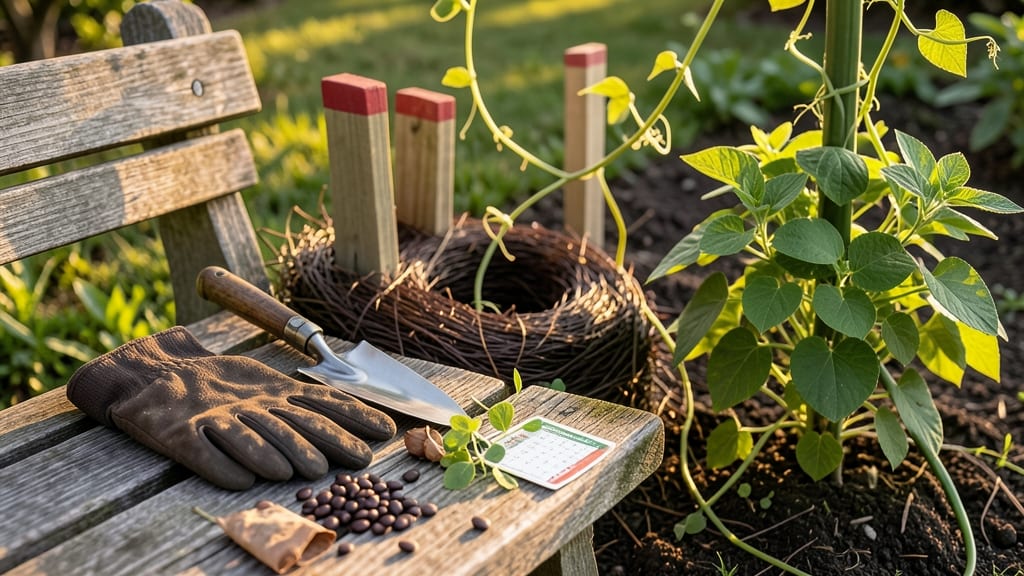
Planting beans in Massachusetts at the wrong time means watching your hard work vanish overnight—frost can turn tender seedlings into sad, wilted memories before you even get to taste that first crisp pod. 🌱 The key to a bountiful harvest isn’t just luck; it’s knowing your local frost dates and matching them to the right bean variety.
Most gardeners in zones 5b-7a wait until April 15 or after the last frost, but that’s just the starting point. Warm-season beans like bush and pole varieties need soil temperatures above 60°F to thrive, while cold-hardy options can handle a little chill.
If you plant too early, you’ll waste seeds; too late, and you’ll miss the sweet spot for summer harvests.
In this guide, I’ll break down the exact planting windows for Massachusetts—from Boston’s coastal breezes to Worcester’s inland warmth—so you can time your beans perfectly.
We’ll also cover how to stretch your growing season with row covers and avoid the 3 biggest mistakes that sabotage New England bean gardens every year.
Ready to turn your garden into a bean bonanza? Let’s get those seeds in the ground at the right moment—because timing isn’t just important, it’s everything.
Massachusetts bean planting schedule by variety type (2024 frost dates)
Massachusetts gardeners know that frost dates can shift from year to year, but with USDA zones 5b-7a, we can narrow down the best times to plant beans for a successful harvest.
The general rule is to wait until the soil temperature hits 60°F and the last frost has passed—usually around April 15 in most regions. However, pole beans, bush beans, and runner beans each have slightly different needs.
Boston’s coastal climate often sees frost linger until May 1, while inland areas like Worcester and Springfield may warm up faster.
If you’re eager to start early, cold-hardy varieties like ‘Provider’ or ‘Kentucky Wonder’ can handle a light frost, but most beans will bolt if exposed to cold for too long. Planning ahead ensures you don’t miss the 60-day harvest window for most varieties.
Below is a breakdown of when to plant each type of bean in Massachusetts, including adjustments for early, mid, and late planting windows. This schedule aligns with average last frost dates but always check your local Almanac for updates, as weather can vary.
| Bean Type | Best Planting Window | Soil Temp Requirement | Days to Harvest | Massachusetts Notes |
|---|---|---|---|---|
| Bush Beans | April 20 - May 15 | 60°F+ | 50-60 days | Compact and fast-growing; ideal for small gardens. Plant in succession every 2 weeks for continuous harvests. |
| Pole Beans | May 1 - June 1 | 65°F+ | 60-80 days | Taller varieties need warmer soil. Use trellises to save space. Late plantings can still produce until September. |
| Runner Beans | May 15 - June 10 | 65°F+ | 70-90 days | Heat-loving and slow to start. Perfect for late-season gardens or areas with shorter growing seasons. |
| Cold-Hardy Varieties (e.g., 'Provider') | April 1 - April 15 (with row covers) | 50°F+ | 55-65 days | Tolerates light frost. Use black plastic mulch to warm soil faster in early spring. |
If you’re in Zone 6a or 7a (like parts of Cape Cod or the Berkshires), you can push planting dates slightly earlier, but Zone 5b areas (e.g., Worcester) should wait until mid-May for pole beans to avoid frost damage.
For succession planting, sow bush beans every 2 weeks until early July to enjoy fresh pods all summer.
One trick I use is to plant a test row of beans in late April under a row cover. If they survive and thrive, I know it’s safe to plant the rest of my garden.
This method has saved me from losing entire crops to unexpected late frosts—especially in years like 2020 when Boston saw frost as late as May 10.
For late-season harvests, don’t dismiss planting beans in early June. Many varieties, like ‘Blue Lake’ or ‘Romano’, can still produce well into September if given enough warmth. Just be prepared to use row covers in early fall to extend the season past the first frost.
Remember, soil temperature matters more than air temperature. A sunny day in April might feel warm, but if the soil is still below 60°F, your seeds will rot in the ground. Use a soil thermometer to confirm readiness—it’s the surest way to avoid wasted seeds and disappointed gardeners.
Finally, keep an eye on local weather forecasts and historical frost data. The National Weather Service and Massachusetts Horticultural Society often update frost predictions by early April. With this info, you can fine-tune your planting schedule and enjoy a bountiful bean harvest from June through September.
How to adjust planting dates for Massachusetts’ unpredictable spring weather
Massachusetts’ spring weather is famously fickle—one day it’s 60°F and sunny, the next it’s a 32°F surprise that turns your seedlings into popsicles. To beat this unpredictability, I’ve learned to play by three key rules: soil temperature, microclimate, and season extenders.
These tricks let me plant beans safely 2-3 weeks earlier than the average frost date or stretch harvests into late September.
First, always check soil temperature before planting. Use a soil thermometer—beans need 60°F+ soil to germinate. In Boston’s coastal zone, this might mean waiting until May 1, while Worcester’s inland heat could hit that mark by April 20.
If your soil’s too cold, your seeds will rot in the ground.
For those who want to push the envelope, I’ve even tried greenhouse starts in early April. Transplant 4-6 week old seedlings outdoors after the May 15 average last frost date, but be ready to cover them if nights dip below 40°F.
The trade-off? You’ll get 3-4 weeks earlier harvests—perfect for early summer salads.
Remember, beans are fast growers (50-60 days to harvest), so even a 2-week delay can mean missing peak flavor. But with these adjustments, you’ll turn Massachusetts’ unpredictable spring into your secret weapon for a longer, more reliable harvest. 🌱