
Plants
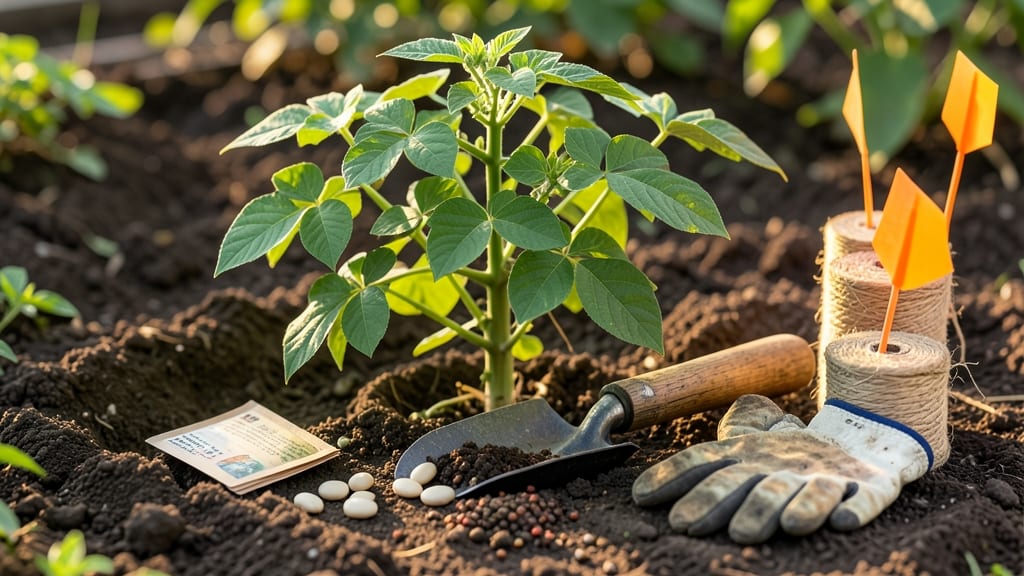
Timing your bean planting in Minnesota isn't just about waiting for spring—it's about beating frost with the right strategy to unlock a harvest that lasts from July through September.
With USDA zones 4a-5b and unpredictable late frosts, getting those seeds in the ground too early can mean wasted effort, while waiting too long risks missing the ideal 60°F soil temperature that beans crave.
I've learned the hard way that Minnesota's short growing season demands precision. Whether you're growing pole beans that climb like vines or bush beans that stay compact, the window between April 15 and June 1 is your golden opportunity—but not all varieties play by the same rules.
Some cold-tolerant types can handle light frosts, while others need to wait until the soil warms completely.
What if I told you there's a way to extend your harvest by weeks? The secret lies in understanding local frost dates, choosing the right varieties, and knowing when to start seeds indoors versus direct sowing.
Let me walk you through the exact timing and techniques that have helped Minnesota gardeners like me go from anxious seed-starters to proud harvesters.
From the North Shore to the Twin Cities, we'll cover how to calculate your last frost date, which bean types thrive in chilly soils, and even how to use simple tools to give your plants a head start.
Ready to turn your garden into a bean bonanza? Let's get those seeds in the ground the right way.
Best planting windows for Minnesota beans: frost-resistant timing guide
Minnesota’s unpredictable frost dates and cool soil make timing critical for bean success. Unlike heat-loving southern varieties, Minnesota beans thrive when planted after the last frost but before soil overheats.
For most of the state (USDA zones 4a-5b), this window sits between mid-May and early June, but northern regions like the Iron Range may need to wait until late May or early June.
Your soil temperature is the real game-changer. Beans need at least 60°F soil to germinate reliably. Use a soil thermometer to check—if it’s cooler, wait. In southern Minnesota, this often aligns with May 15-25, while northern areas may not hit 60°F until June 1-10.
Pro tip: Test in the morning when soil is coolest.
Here’s the golden rule: Plant pole beans (like Kentucky Wonder) 1-2 weeks earlier than bush beans (like Provider). Pole beans climb trellises faster, giving them a head start against Minnesota’s short season.
For succession planting, sow a second crop every 2 weeks up until July 1—this stretches harvests through September.
Don’t forget microclimates. Urban gardens near buildings or south-facing walls warm up faster, letting you plant 2-3 weeks earlier. Conversely, low-lying areas or shady spots may need to wait until late June.
Always check the Minnesota State Climatology Office for local frost forecasts—their 30-year averages are your best bet for planning.
| Region | Last Frost Date (Avg) | Ideal Planting Window | Soil Temp Threshold | Harvest Window |
|---|---|---|---|---|
| Southern MN (Zones 4b-5a) | May 5-15 | May 15 - June 1 | 60°F+ | July 15 - Sept 10 |
| Central MN (Zones 4a-4b) | May 10-20 | May 25 - June 5 | 60°F+ | July 20 - Sept 5 |
| Northern MN (Zones 3b-4a) | May 20-30 | June 1-10 | 60°F+ | July 25 - Aug 20 |
| Urban Microclimates | May 5-15 (earlier) | May 10 - May 25 | 55°F+ (warmer spots) | July 10 - Sept 15 |
*Adjust dates 1-2 weeks later for high-elevation areas or shady gardens.
If you’re starting beans indoors to jumpstart growth, begin seeds 4-6 weeks before your last frost date. Use biodegradable pots and transplant seedlings after soil warms—hardening them off for 7-10 days first.
For direct sowing, plant seeds 1 inch deep and 3-4 inches apart, thinning to 4-6 inches once sprouts appear. In Minnesota’s cool nights, use row covers or black plastic mulch to maintain 60°F soil temps.
Watch for false springs—those warm spells in April that trick you into planting early. Beans won’t tolerate even light frost, and a late-May freeze can wipe out young plants.
The Minnesota Department of Agriculture tracks growing degree days; aim for 1,000+ GDDs before planting. For pole beans, install trellises before planting
Cold-tolerant bean varieties that thrive in Minnesota’s climate
Minnesota’s cool summers demand cold-hardy bean varieties that can handle late frosts and chilly soils. Not all beans are created equal—some varieties like 'Provider' and 'Kentucky Wonder' are bred to withstand 45°F temperatures for short periods.
These frost-resistant types can give you a head start in the garden, especially if you’re planting early.
For pole beans, look for varieties like 'Blue Lake', which matures in 55-60 days and thrives in USDA Zones 4-8. Meanwhile, bush beans such as 'Contender' (60-day harvest) are compact and perfect for small spaces or containers.
Both types can handle light frosts if planted after the soil warms to 50°F.
Here’s how these varieties stack up against traditional types in Minnesota’s climate:
| Variety | Cold Tolerance | Days to Harvest | Best For |
|---|---|---|---|
| Provider | 45°F (short-term) | 50-55 days | Early planting |
| Kentucky Wonder (Pole) | 48°F (short-term) | 60-65 days | Trellises, long harvests |
| Blue Lake (Pole) | 50°F (short-term) | 55-60 days | Containers, small gardens |
| Contender (Bush) | 47°F (short-term) | 60 days | Succession planting |
If you’re aiming for a late-season harvest, consider 'Tendercrop' or 'Roma II', which are heat-tolerant and can handle warmer July temperatures. These varieties are ideal if you’re planting in late May or early June to avoid early frosts.
For maximum frost protection, pair your bean variety with row covers or black plastic mulch. This can push your planting window 1-2 weeks earlier without risking frost damage. Always check the Minnesota Extension Service for local frost date updates before planting.
One mistake I’ve seen gardeners make is planting tropical varieties like 'Black Valentine' too early—they won’t survive Minnesota’s cool springs. Stick to cold-hardy types and you’ll avoid disappointment.
🌱