
Plants
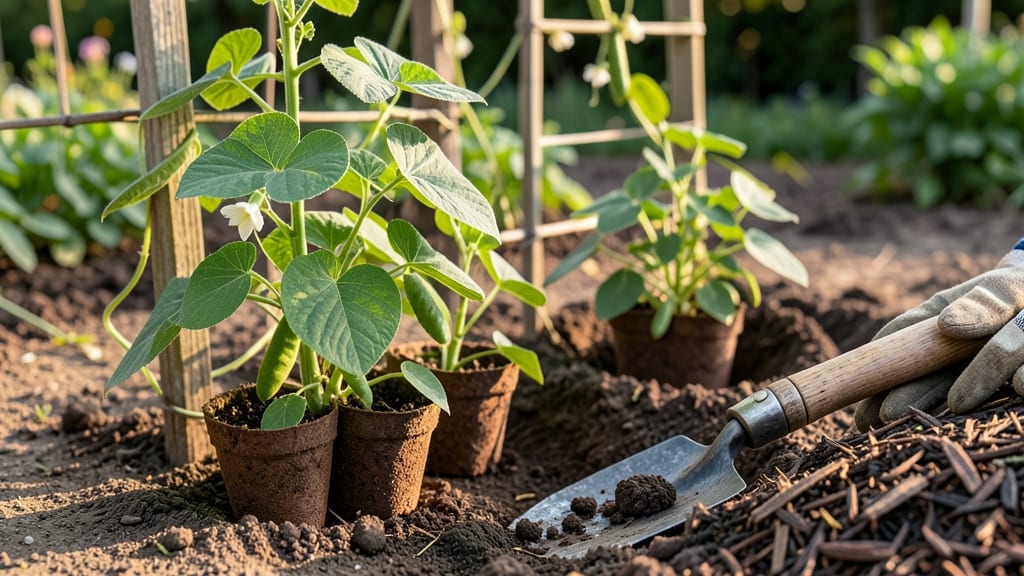
Timing your bean planting in Zone 8 can make or break your harvest—plant too early, and you risk frost damage; too late, and the heat zaps their growth. The sweet spot for beans 🌱 in this region is all about understanding your local microclimate and variety needs.
For most gardeners in Zone 8, the ideal window stretches from late March through April for spring plantings, when soil temperatures consistently hit 60°F or warmer. But don’t stop there—fall plantings in August to September can yield another harvest before frost sets in.
What you’ll discover here are the exact conditions to watch for, from soil warmth to frost dates, plus how to extend your growing season for continuous harvests. Whether you’re a beginner or a seasoned grower, these insights will help you avoid common pitfalls and maximize your yield.
Ready to turn your garden into a bean bonanza? Let’s dive into the best practices that’ll have your plants thriving from seed to pod—and keep you picking fresh beans all season long.
Optimal planting windows for beans in Zone 8 by variety type
Beans thrive in Zone 8 when planted during their preferred temperature window—between 60°F and 85°F—but the exact timing depends on your bean variety. Bush beans (like Blue Lake or Roma) and pole beans (such as Kentucky Wonder) have slightly different needs, and even lima beans require a longer growing season.
For spring plantings, aim to sow seeds 2-4 weeks after your last frost date, typically late March to early April in Zone 8. This ensures soil temperatures stay above 60°F, which is critical for germination.
Fall plantings, on the other hand, should start 8-10 weeks before your first frost (usually August to early September), giving beans enough time to mature before cold sets in.
Here’s how to align your planting with your bean type for the best results:
| Variety Type | Ideal Planting Window | Soil Temp Requirement | Days to Harvest | Frost Sensitivity |
|---|---|---|---|---|
| Bush Beans | Late March–Early April (Spring) / August–Early September (Fall) | 60°F+ | 50–60 days | Moderate (harvest before frost) |
| Pole Beans | Late March–Mid-April (Spring) / Late August (Fall) | 65°F+ | 60–70 days | High (needs warm soil) |
| Lima Beans | Early April–Mid-May (Spring only) | 70°F+ | 80–90 days | Very High (long season needed) |
Pay close attention to soil temperature, not just air temperature. Use a soil thermometer to confirm your garden bed is ready—beans won’t germinate if the soil is too cool.
For pole beans, which need a longer growing season, start seeds indoors 4-6 weeks before your last frost to give them a head start.
If you’re in a cooler microclimate within Zone 8, like higher elevations, err on the side of planting slightly later (early April) to avoid frost damage. Conversely, in warmer microclimates, you might push your spring planting to mid-March if your soil warms quickly.
For fall plantings, heat-tolerant varieties like ‘Black Valentine’ or ‘Scarlet Runner’ can handle slightly warmer soil and still produce well before frost. Just be sure to harvest before temperatures drop below 50°F, as this can stunt growth and reduce pod quality.
Pro tip: If your spring planting gets too hot too fast (above 85°F), beans may bolt or produce fewer pods. Use shade cloth during peak afternoon sun to keep them thriving until cooler weather returns.
Finally, remember that succession planting every 2 weeks in spring and fall ensures a steady supply of fresh beans. This works especially well for bush beans, which mature quickly and allow for multiple harvests in a single season.
With these timing guidelines, you’ll avoid the most common pitfalls—like planting too early and risking frost or too late and missing the sweet spot for harvest. Now, let’s talk about how to extend your growing season for even more beans!
How to extend the bean-growing season in Zone 8 for continuous harvests
Zone 8 gardeners can enjoy fresh beans nearly year-round with the right strategies. The key to extending your harvest is staggered plantings, seasonal variety selection, and protective measures against heat or frost.
By planning ahead, you can transform a single harvest into a continuous supply of homegrown beans from spring through fall.
For spring plantings, start with cool-season varieties like ‘Contender’ or ‘Blue Lake’ in late March. Then, every 2 weeks, sow a new batch of seeds. This ensures that as the earliest plants finish producing, the next batch is just ready to take over.
In Zone 8, this succession method can keep you picking beans until mid-July.
- 🌱 Spring Staggering: Plant every 2 weeks from late March to early May for continuous harvests.
- ☀️ Heat Tolerance: Choose varieties like ‘Scarlet Runner’ or ‘Black Valentine’ for late-season plantings in August-September.
- 🌡️ Soil Warmth: Use black plastic mulch to raise soil temperature 5-10°F faster in early spring plantings.
- 🌿 Row Covers: Protect fall plantings with lightweight row covers to extend harvests by 2-3 weeks before frost.
- ⏰ Fall Timing: Start final planting 8-10 weeks before your first frost (typically mid-September in Zone 8).
When summer heat arrives, beans can struggle to produce pods if temperatures exceed 85°F. To combat this, provide afternoon shade using shade cloth (30-50%) or plant beans near taller crops like corn or sunflowers that offer natural shade. This simple trick can double your pod production during hot spells.
For fall harvests, focus on heat-tolerant varieties that can handle warm soil conditions. Start seeds in late August for a late-September harvest, or use row covers to protect plants from early frosts.
In Zone 8, this can push your final harvest into mid-November, giving you an extra 4-6 weeks of fresh beans.
Don’t overlook the power of container gardening for extending your season. Grow bush beans in pots and move them to cooler microclimates (like near north-facing walls) during heatwaves. This flexibility lets you adjust growing conditions on the fly, ensuring beans thrive even when ground temperatures spike.
Finally, keep a planting calendar to track your succession schedule. Mark your last frost date and count backward to determine ideal fall planting windows. With this system, you’ll never miss a planting opportunity and can enjoy homegrown beans for nearly 6 months in Zone 8!