
Plants
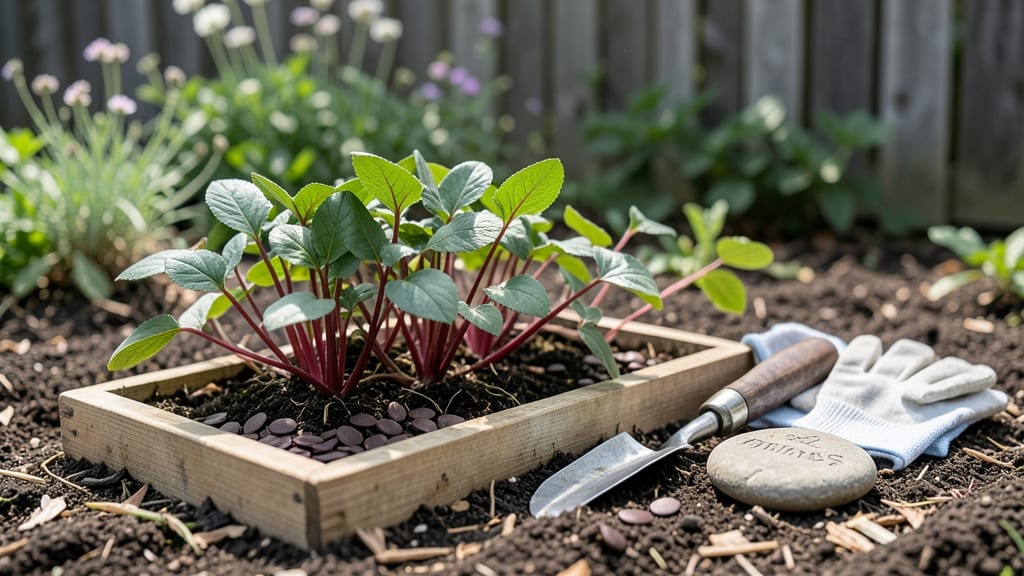
Planting beets in Central Florida at the wrong time can turn your 🍠 harvest into bitter, stringy disappointment—but getting the timing right means sweet, tender roots every season.
The key is avoiding the brutal summer heat and bolting triggers, which is why fall and winter planting windows are your best bet for success.
Most gardeners here make the mistake of planting too early in spring or too late in summer, only to watch their beets bolt before they reach harvest size.
I’ve learned that September through March is when these hardy veggies thrive in our 9a-10a climate, with the sweet spot being October and November for the best flavor and yield.
What sets Central Florida apart is our frost-free winters, which means you can plant beets even in January and February without worrying about freezing temperatures. The trick is keeping soil moisture consistent and providing light shade during the hottest winter afternoons to prevent stress.
In this guide, I’ll break down the exact months to plant, how to adjust for microclimates, and what to watch for to avoid bolting. Ready to grow your best beets yet?
Best planting windows for beets in Central Florida’s climate zones
Central Florida’s USDA Zones 9a-10a create unique challenges for beet growers, but the key to success lies in understanding the ideal soil temperatures and avoiding summer heat stress.
Unlike cooler climates, we don’t have to worry about frost damage, but our warm winters and high humidity demand precise timing to prevent bolting.
Beets thrive when soil temperatures stay between 55°F and 75°F—any hotter, and they’ll bolt prematurely. In Central Florida, this means focusing on fall and winter plantings when daytime highs dip below 85°F.
The sweet spot is September through March, with October and November delivering the best flavor and yield.
Here’s the breakdown of your planting windows, tailored to Central Florida’s microclimates:
| Season | Planting Window | Soil Temp | Daytime Highs | Harvest Window |
|---|---|---|---|---|
| Fall | September 15 - October 31 | 65°F - 75°F | 80°F - 88°F | November - December |
| Winter | November 15 - February 28 | 55°F - 70°F | 65°F - 78°F | January - April |
| Spring | March 1 - April 15 | 60°F - 72°F | 75°F - 85°F | April - May |
| Avoid | May - August | Above 80°F | Above 90°F | Bolting risk |
For fall plantings, aim to sow seeds by mid-September to give them time to mature before winter’s mildest months. Beets planted in October will often produce the sweetest roots, as cooler nights enhance their natural sugars.
If you’re in a coastal area, you can extend this window slightly later due to the moderating ocean breezes.
Winter plantings in December and January are surprisingly productive in Central Florida, provided you maintain consistent soil moisture. The key is to use light shade cloth during the hottest winter afternoons (often 2:00 PM - 4:00 PM) to prevent heat stress.
Even a 30% shade cloth can make the difference between bolting and a healthy harvest.
Spring plantings in March and early April work best if you’re in higher elevations like Ocala or Gainesville, where nights stay cooler. In urban heat islands like Orlando or Tampa, beets planted after mid-April will almost certainly bolt by May.
The solution? Start seeds indoors in late February and transplant outdoors in early March to beat the heat.
Pro tip: Use a soil thermometer to monitor temperatures—beets won’t germinate well below 55°F or above 85°F. If your soil runs hotter than 75°F in the afternoon, hold off on planting until temperatures drop naturally or use shade cloth to cool the soil.
Remember, Central Florida’s humidity levels can accelerate bolting, so always pair your planting schedule with proper mulching (2-3 inches of straw or wood chips) to keep roots cool and moist. This simple step can extend your harvest window by 2-3 weeks in both fall and winter.
How to adjust planting times for Central Florida’s microclimates
Central Florida’s diverse microclimates—from coastal humidity to urban heat islands—can shift your beet planting window by 2-4 weeks. If you’re in Orlando or Tampa, where pavement absorbs heat, your soil may stay 10°F hotter than rural areas like Lake Wales or Ocala.
The solution? Adjust your schedule based on your specific location and use shade strategies to extend growing seasons.
For coastal gardeners (e.g., Daytona Beach, Cocoa Beach), ocean breezes naturally cool your soil, letting you plant 2 weeks later in fall and 2 weeks earlier in spring. In contrast, inland areas like Kissimmee or The Villages may need shade cloth even in winter to prevent bolting.
Always check your local high/low temperature averages—aim for daytime highs below 85°F and nighttime lows above 55°F.
🌡️ Microclimate Adjustments for Beet Planting
Plant 2 weeks earlier in fall (late August) and 2 weeks later in spring (mid-April). Use 30% shade cloth in winter afternoons.
Extend fall window to mid-November and start spring plantings by mid-February. Ocean breezes reduce bolting risk naturally.
Plant 1-2 weeks later than coastal areas. Soil cools faster at night, ideal for winter harvests.
Use black fabric mulch to warm soil in winter or white pots to reflect heat in summer. Water daily in containers—they dry out faster.
Bolting risk increases—plant early fall (August) or late winter (February). Space plants 4 inches apart for airflow.
Succession planting is your secret weapon for year-round harvests in Central Florida. Instead of one big planting, sow small batches every 2 weeks from September to February. This ensures a steady supply of fresh beets while staggering maturity dates.
For example, plant half your seeds in September (harvest November-December) and the rest in October (harvest January-February).
If you’re growing beets in containers or raised beds, monitor soil temperature daily with a thermometer. Containers heat up 30% faster than ground soil, so avoid planting until temperatures stabilize below 75°F.
Pro tip: Fill containers with 50% compost to regulate temperature swings—this keeps roots 5-10°F cooler than bare soil.
For organic gardeners, mulch with straw or leaf mold (not wood chips) to prevent soil-borne diseases in our humid climate. A 3-inch mulch layer retains moisture and blocks weeds, reducing stress on young plants.
In urban gardens, pair mulch with drip irrigation to deliver water directly to roots—this prevents foliar diseases that thrive in Central Florida’s humidity.