
Plants
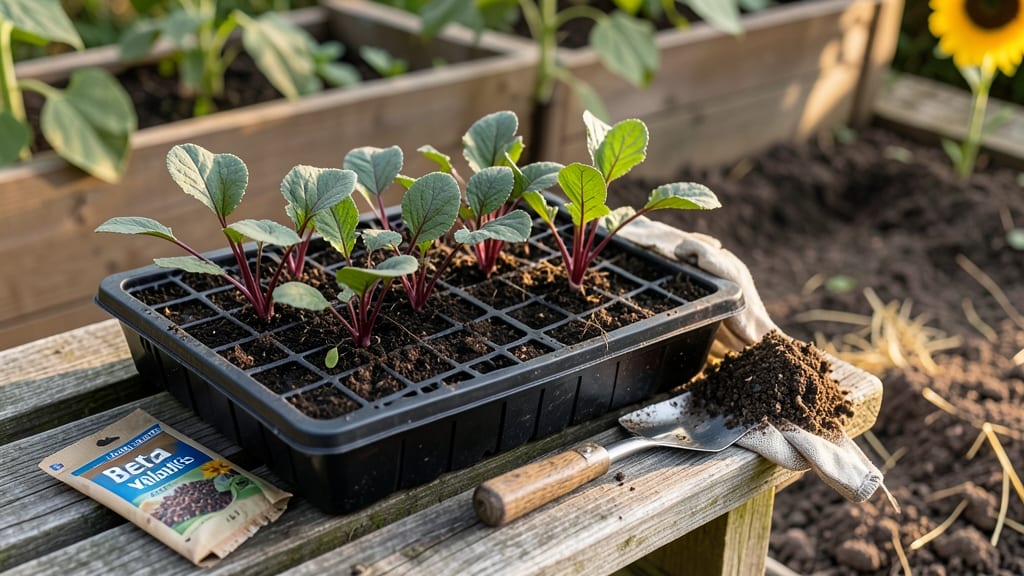
Planting beets at the wrong time in Zone 6b can turn your crisp, sweet 🍠 harvest into tough, bitter roots—so timing is everything.
The key to fast germination and tender beets lies in understanding your local frost dates and soil temperatures, which vary more than you might expect in this zone.
Most gardeners in 6b swear by two planting windows: early spring (March-April) and late summer (July-August).
But here's the catch—spring plantings need to happen at least 2-3 weeks before your last frost (around April 15), while fall plantings should go in by early August to mature before the first frost hits in mid-October.
Why does this matter? Beets are cool-season crops that bolt (go to seed) when temperatures climb above 75°F. In Zone 6b, that means summer planting is a gamble unless you choose heat-tolerant varieties or use shade cloth.
I'll show you exactly how to time your plantings for fast germination and consistent harvests—no guesswork involved.
Whether you're a first-time gardener or a seasoned pro, these cold-hardy start dates will help you grow beets that are sweet, tender, and ready to harvest in 50-70 days. Let's get those seeds in the ground at the perfect moment.
Best planting times for beets in Zone 6b: early spring vs. late summer
In Zone 6b, beets thrive when soil temperatures stay between 45°F and 75°F—any hotter, and they bolt (flower prematurely), turning bitter. The two best windows are early spring and late summer, each with unique advantages for maximizing your harvest.
Spring planting gives you a summer harvest just as temperatures start cooling, while late-summer planting ensures fall roots before frost. Missing these windows risks stunted growth or wasted seeds, so timing is everything.
Here’s how to align your planting with Zone 6b’s climate for optimal germination and sweetness:
| Planting Window | Ideal Months | Soil Temp | Days to Harvest | Key Considerations |
|---|---|---|---|---|
| Early Spring | March–April | 45°F–65°F | 50–70 days | Plant 4–6 weeks before last frost (Zone 6b: April 15). Use row covers if nights dip below 30°F. |
| Late Summer | July–August | 60°F–75°F | 40–60 days | Aim for 8–10 weeks before first frost (Zone 6b: October 15). Avoid planting after August 15 to prevent bolting. |
For spring planting, start seeds indoors 2–3 weeks before your target outdoor date to get a head start. In Zone 6b, this means late February for early March sowing. Harden off seedlings by placing them outdoors for 2–3 hours daily before transplanting.
Late-summer plantings require shade cloth if temperatures exceed 80°F during the day. Beets grown in fall often develop sweeter roots because they mature in cooler weather, but they must be harvested before hard frost.
Succession planting every 2 weeks in spring and 3 weeks in fall ensures a continuous harvest. For example, in Zone 6b, sow seeds on March 1, 15, and 30 for staggered maturity.
If you miss the spring window, don’t panic—late July plantings can still yield harvests by October. Just monitor soil moisture closely, as summer heat increases evaporation rates.
Remember: Beets are cool-season crops, so avoid planting when daytime highs consistently exceed 75°F. Use mulch to keep roots cool and retain moisture during heatwaves.
🌿 Zone 6b Tip: If your soil stays cold into May, opt for fast-maturing varieties like ‘Detroit Dark Red’ (50 days) to avoid bolting.
How to adjust planting dates for faster germination and sweeter beets
Beets in Zone 6b can take 7–14 days to germinate, but cold soil slows them down. If your spring soil stays below 50°F, try these 3 proven tricks to speed up sprouting and ensure tender roots.
First, pre-sprout seeds indoors 2–3 days before planting. Place seeds between damp paper towels in a sealed container at 70°F, and they’ll sprout in 3–5 days. This head start beats waiting for warm soil in Zone 6b’s unpredictable springs.
Next, use black plastic mulch to raise soil temperatures by 5–10°F. Lay it down 1–2 weeks before planting in early spring. The warmer soil speeds germination and prevents bolting from temperature swings.
- 1. Pre-sprout seeds indoors for faster germination in cold soil.
- 2. Use black plastic mulch to warm soil by 5–10°F before planting.
- 3. Plant in succession every 2 weeks for continuous harvests.
- 4. Choose heat-tolerant varieties like ‘Cylindra’ for late-summer plantings.
- 5. Water deeply at planting to prevent seed desiccation in dry springs.
For late-summer plantings, opt for heat-tolerant varieties like ‘Cylindra’ or ‘Early Wonder Tall Top’. These handle 80°F+ days better than standard types, giving you a fall harvest before frost. Just plant by August 1 to avoid bolting.
Succession planting is your secret weapon in Zone 6b. Sow seeds every 2 weeks in spring and 3 weeks in fall to stretch your harvest. For example, plant on March 1, 15, and 30 for a June–July bounty.
If your soil is too cold for direct sowing, try a cold frame. It traps heat and can raise soil temps by 15°F, making germination 2x faster than unprotected beds.
Finally, water deeply at planting to prevent seed desiccation. Zone 6b’s spring winds dry out soil quickly—aim for 1 inch of water per week once sprouted. Mulch with straw to retain moisture and keep roots cool.
🌱 Zone 6b Hack: Mix compost into planting rows to improve soil warmth and fertility—beets love loamy, well-draining soil with a pH of 6.0–7.0.