
Plants
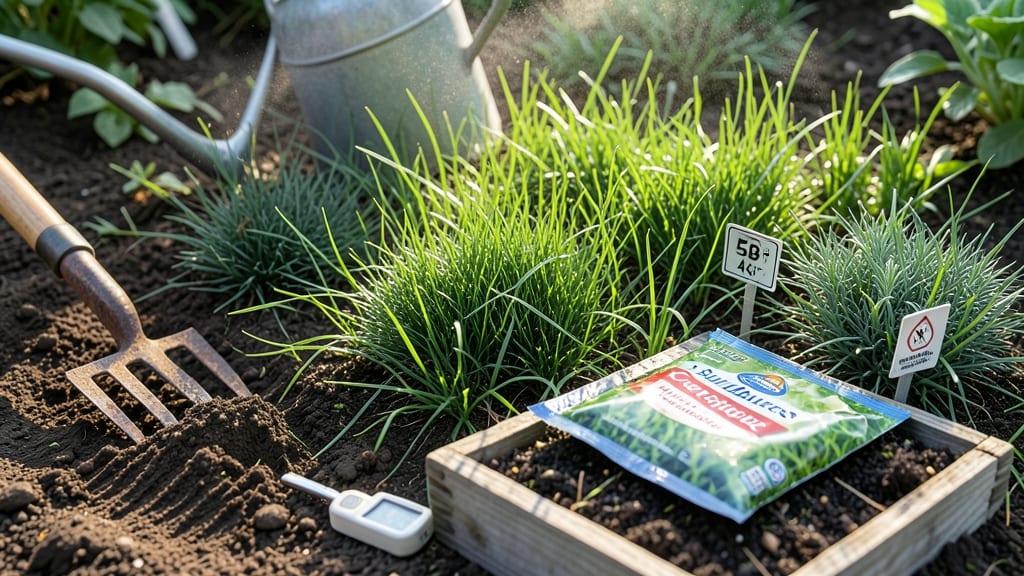
When is the best time in spring to plant grass seed? Hitting that 50°F (10°C) soil temperature sweet spot is the secret to a lush, fast-growing lawn—not just throwing seed out there and hoping for the best. 🌱 Too early, and frost will stall germination; too late, and summer heat will stress young sprouts before they take root.
I’ve learned the hard way that timing matters more than most gardeners realize. Whether you’re in USDA Zone 6a or another region, knowing when to plant grass seed can mean the difference between a thick, green lawn in just 3-4 weeks and a patchy, slow-to-establish mess.
In this guide, I’ll break down the exact soil temperature ranges you should target, how to adjust for your local climate, and the best grass seed varieties for early vs. late spring planting. No more guesswork—just a foolproof plan for a lawn you’ll actually be proud of.
Let’s get started with the fastest, most reliable way to time your planting for success, so you can enjoy that perfect grassy carpet by summer.
Optimal soil temperature ranges for planting grass seed in spring
Timing your grass seed planting based on soil temperature is the secret to avoiding patchy lawns and slow germination. Cool-season grasses like fescue and ryegrass thrive when soil temps hit 50-65°F (10-18°C), while warm-season varieties such as Bermuda and Zoysia need 65-75°F (18-24°C) for best results.
Planting too early or late can leave seed dormant or vulnerable to disease.
Most gardeners aim for early to mid-spring, but exact timing depends on your USDA hardiness zone. In Zone 5 or colder, wait until April when frost risk drops.
In Zone 7 and warmer, late March is ideal. Always check soil temps 1 inch deep—surface temps can be misleading.
A soil thermometer is your best tool for precision. Insert it into moist soil in a shaded spot, then monitor daily. If temps dip below 50°F (10°C) at night, germination slows dramatically. Conversely, soil above 75°F (24°C) can cause seed to dry out before sprouting.
Regional differences matter too. Northern climates should plant 4-6 weeks before last frost, while Southern regions may extend planting into May for warm-season grasses. Always align planting with your local frost dates and grass type.
Here’s how to prepare soil for planting: loosen top 2-3 inches with a rake, remove debris, and level the surface. A pH test ensures your soil is between 6.0-7.0—ideal for most grass types. Amend with lime if needed, then water deeply to settle the seedbed.
Once planted, keep soil consistently moist (not soggy) until germination. Cool-season grasses typically sprout in 7-21 days, while warm-season varieties take 10-30 days. Mulch lightly with straw to retain moisture and protect seed from birds.
Common mistakes include planting when soil is still too cold or too warm, leading to uneven germination. Overwatering can also wash seed away or cause fungal growth. Stick to light, frequent watering (about ¼ inch per day) until grass reaches 3-4 inches.
For best results, plant in early morning when temps are cooler. Avoid planting on windy days, which can bury seed too deep. If rain is forecast within 24 hours, delay planting to prevent seed from washing away.
Remember: Soil temperature is more critical than air temperature. Even if air feels warm, cold soil can stall germination. Always prioritize soil conditions over calendar dates for a lush, even lawn.
| Grass Type | Ideal Soil Temp | Best Planting Months | Germination Time |
|---|---|---|---|
| Cool-Season (Fescue, Ryegrass) | 50-65°F (10-18°C) | March-April (Zones 3-6) | 7-21 days |
| Warm-Season (Bermuda, Zoysia) | 65-75°F (18-24°C) | April-May (Zones 7-10) | 10-30 days |
| Tall Fescue (Hybrid) | 55-70°F (13-21°C) | March-May (All Zones) | 10-14 days |
🌱 Pro Tip: Use a soil thermometer to confirm temps before planting—don’t guess!
After planting, monitor soil moisture closely. Grass seed needs consistent moisture to germinate, but avoid waterlogging, which can suffocate roots. Use a sprinkler with fine mist or a gentle watering can to keep the top ½ inch of soil damp.
If you’re in a transition zone (like Zone 6-7), consider planting cool-season grasses in fall instead of spring for better establishment. Warm-season grasses, however, should always go in late spring to avoid winterkill.
How to time your spring grass seed planting for maximum germination speed
Timing your grass seed planting isn’t just about picking a spring month—it’s about soil conditions that ensure fast, even germination. The key is planting when your soil temperature consistently stays above 50°F (10°C) for cool-season grasses or 65°F (18°C) for warm-season types.
This window usually falls between 4-6 weeks before your last frost date, but exact timing varies by climate zone.
For example, in USDA Zone 5, aim for mid-April when soil warms up. In Zone 7 or warmer, late March works perfectly for warm-season grasses.
Always check your local frost dates and adjust—planting too early risks frost damage, while planting too late can leave young grass struggling in summer heat.
Here’s how to monitor soil temps like a pro: Use a soil thermometer to check temperatures 1 inch deep in the morning. If temps dip below 50°F (10°C) at night, germination slows.
If they rise above 75°F (24°C) during the day, seed may dry out before sprouting. Consistency is key—wait until temps stay in the ideal range for at least 3-5 days before planting.
🌱 5 Critical Steps to Time Your Planting Perfectly
- 🌡️ Check soil temps daily with a thermometer—aim for 50°F+ (10°C+) for cool-season grasses or 65°F+ (18°C+) for warm-season types.
- 📅 Plant 4-6 weeks before last frost for cool-season grasses or after last frost for warm-season varieties.
- 🌦️ Avoid planting on windy days—seed can blow away or bury too deep, delaying germination.
- 💧 Water lightly before planting to settle soil and create a moist seedbed for faster sprouting.
- ☀️ Plant in early morning when temps are cooler to reduce stress on seed.
One of the biggest mistakes I see is planting based on air temperature instead of soil temperature. Air can feel warm, but cold soil will stall germination.
For instance, in Zone 6a, I’ve seen gardeners plant in early March only to have seed sit dormant for weeks because the soil was still too cold. Always prioritize soil conditions over calendar dates.
If you’re in a transition zone (like Zone 6-7), consider planting cool-season grasses in fall instead of spring. Fall planting often yields better results because soil stays warm longer, and cooler air reduces stress on young sprouts. For warm-season grasses, however, late spring is non-negotiable—planting too early risks winterkill.
Once you’ve nailed the timing, post-planting care is just as critical. Keep the soil consistently moist (not soggy) for the first 2-3 weeksfine mist sprinkler or gentle watering can to avoid washing seed away.
Mulch lightly with straw to retain moisture and protect seed from birds. Within 7-21 days, you’ll see those first tiny green shoots—a sign you’ve timed it perfectly!
Pro tip: If rain is forecast within 24 hours of planting, delay until after the storm. Heavy rain can wash seed away or bury it too deep, slowing germination.
And always avoid fertilizing for the first 4-6 weeks—you want the seed to focus on root growth, not leafy top growth.