
Companion Plants
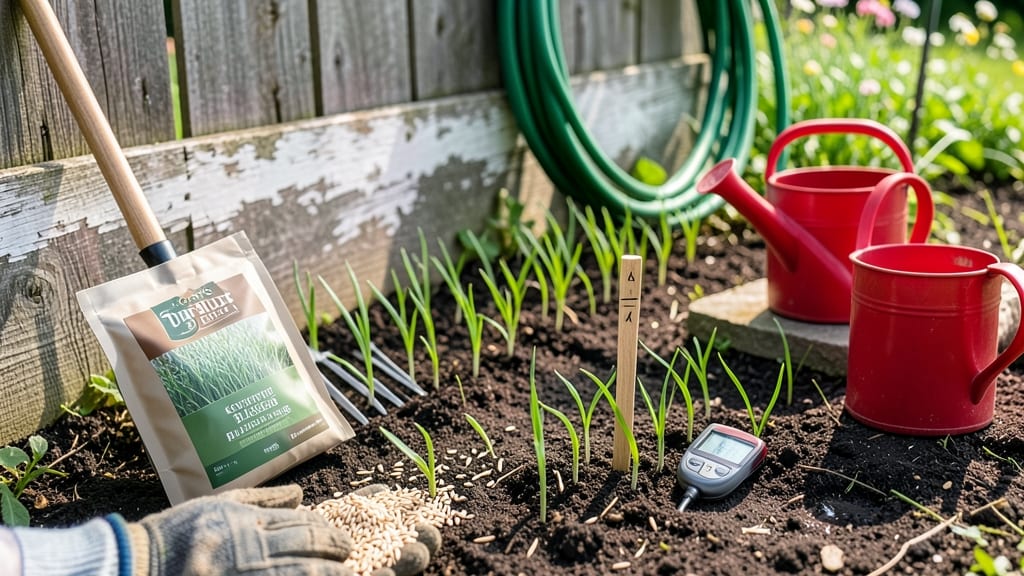
Planting grass seed at the wrong time in spring can turn your dream of a lush lawn into a battleground with weeds and patchy growth. The key to success isn't just when you plant—it's understanding your soil's readiness and climate zone.
In USDA Zone 6a, like many regions, early spring 4-6 weeks before the last frost is ideal for cool-season grasses, but timing varies by type and weather.
Most gardeners make the mistake of rushing too early when soil is still cold or too late when summer heat arrives. You'll want to wait until soil temperatures hit 50-65°F—that's when seeds germinate fastest and establish strong roots.
A simple soil thermometer test (or even your wrist—warm but not hot) can save you from wasted effort.
What happens if you plant too soon? Frost can kill tender seedlings, while late planting risks drought stress. The solution? Plan ahead by checking your local frost dates and preparing your soil now—remove debris, loosen the top 4-6 inches, and keep it moist until planting day.
This small prep work makes all the difference.
Ready to transform your lawn? I'll walk you through the exact steps, from choosing the right grass type for your zone to maintaining it post-planting. Let's get that green thumb working for you—starting with the perfect spring planting window.
Best spring soil temperatures for planting grass seed
One of the biggest mistakes I see gardeners make is planting grass seed too early in spring—only to watch their investment wash away with heavy rains or freeze under unexpected frost.
The secret to success? Soil temperature, not just air temperature. Grass seeds need consistent warmth to germinate, and most varieties thrive when soil reaches 50–65°F.
Cool-season grasses like Kentucky bluegrass and fescue can sprout as early as 40°F, but they germinate fastest between 50–60°F. Warm-season grasses like Bermuda and Zoysia won’t even wake up until soil hits 65–75°F. Planting too soon means sluggish growth, while waiting too long risks weed takeover.
Here’s how to check your soil temperature without fancy tools: Press your hand into the ground about 1 inch deep. If it feels lukewarm (like a fresh cup of tea), it’s ready.
Too cold? Cover the area with black plastic sheeting for a few days to warm it up naturally.
Regional differences matter too. In USDA Zones 3–5, aim for late April to early May when frost risk drops. In Zones 6–10, you can plant as early as March, but always wait for 3 consecutive days above 50°F.
🌱 Grass Seed Germination Guide
| Grass Type | Ideal Soil Temp (°F) | Best Planting Window | Germination Time |
|---|---|---|---|
| Cool-Season (Fescue, Bluegrass) | 50–60°F | Early spring (4–6 wks before last frost) | 7–21 days |
| Warm-Season (Bermuda, Zoysia) | 65–75°F | Late spring (after last frost) | 14–30 days |
| Ryegrass (Fast-Growing) | 40–60°F | Early spring or fall | 5–14 days |
⚠️ Pro Tip: Use a soil thermometer ($10 at garden centers) for precision—it’s a game-changer for large lawns!
If you’re in doubt, err on the side of waiting. Grass seed won’t sprout until soil temps are right, but weeds will germinate as soon as moisture hits. I once planted too early in Zone 5 and spent weeks pulling crabgrass instead of growing grass—don’t make that mistake!
After planting, monitor soil moisture closely. Grass seed needs to stay consistently damp (like a wrung-out sponge) until germination. Use a lightweight mulch like straw to lock in moisture and block weeds. Water gently in the morning to avoid fungal risks.
One more critical tip: If your area has unpredictable spring weather (like late frosts), consider a two-step approach. Plant ryegrass first—it germinates fast and protects soil—then overseed with your main grass type once temps stabilize. This is my go-to trick for Zone 4–6 gardens.
Finally, watch for soil crusting after rains. If the surface hardens, lightly rake it to let air and water reach the seed. A quick pass with a plastic comb (yes, really!) can save your seedlings from suffocation.
Remember: Patience is key. Grass seed takes 10–21 days to sprout, and rushing the process rarely pays off. Mark your calendar for 6 weeks post-planting—that’s when you’ll see the real payoff in thick, uniform growth.
Spring planting timeline by grass type and climate zone
Timing your grass seed planting depends on whether you’re growing cool-season or warm-season varieties, as well as your USDA climate zone. Cool-season grasses like Kentucky bluegrass and fescue thrive in early spring, while warm-season types such as Bermuda and Zoysia need warmer soil to germinate.
Let’s break down the best months for each type and zone to avoid frost or heat stress.
For USDA zones 3-6, aim to plant cool-season grass seed 4-6 weeks before your last frost date. In zones 7-10, late winter to early spring (February-March) works best for cool-season varieties, while warm-season grasses should wait until soil temps hit 65-75°F, typically in May-June.
Missing these windows can lead to slow germination or seed failure.
Here’s how to align your planting with your region and grass type for the best results:
| Grass Type | USDA Zones | Best Planting Month | Soil Temp Requirement | Key Risk |
|---|---|---|---|---|
| Cool-Season (Kentucky Bluegrass, Fescue, Ryegrass) | 3-6 | March-April | 50-65°F | Late frost damage |
| Cool-Season (Same) | 7-10 | February-March | 50-65°F | Heat stress if planted too late |
| Warm-Season (Bermuda, Zoysia, St. Augustine) | 7-10 | May-June | 65-75°F | Drought stress |
| Warm-Season (Same) | 3-6 | Late May-July | 65-75°F | Slow germination in cooler zones |
If you’re in a transition zone (6-7), consider planting cool-season grass in early spring and warm-season grass in late summer for two growing seasons. This strategy ensures year-round coverage and minimizes gaps. For example, in Zone 6, plant tall fescue in April and Bermuda in June.
Always check your local frost dates and monitor soil temperatures with a simple soil thermometer (or press your hand into the soil—if it feels cool but not freezing, it’s likely ready). Planting too early risks frost damage, while waiting too long invites weeds to dominate your lawn.
Pro tip: Use a mulching blanket after seeding to protect young grass from temperature swings and retain moisture. This is especially critical in dry climates or during unpredictable spring weather.