
Plants
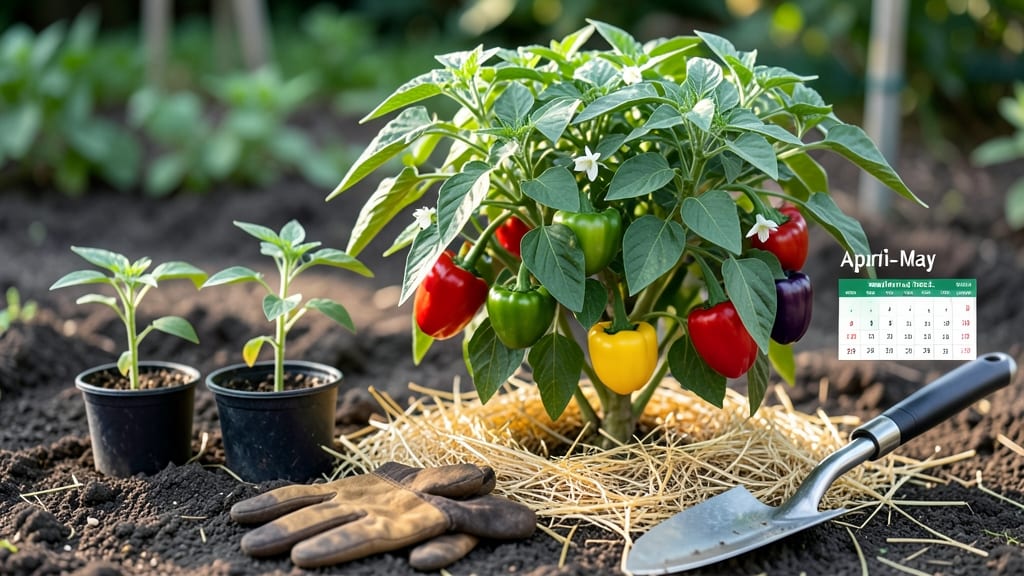
Planting bell peppers 🌶️ in North Carolina isn’t just about waiting for spring—it’s about matching your variety to the region’s unique microclimates and soil warmth. The wrong timing can leave you with stunted plants or pests feasting on your harvest before you even get a chance to enjoy them.
North Carolina’s frost-free dates vary wildly from the Coastal Plain to the Mountains, and soil temperatures below 60°F will shock young transplants. Whether you’re in the humid Piedmont or the cooler Appalachians, knowing the exact window for your zone makes all the difference between a thriving garden and wasted effort.
In this guide, I’ll break down the ideal transplanting windows for early, mid, and late-season varieties—plus how to adjust for black plastic mulch or row covers to extend your growing season.
You’ll also discover which heat-tolerant varieties thrive in NC’s summer heat and how succession planting can keep your kitchen stocked from July through October.
Ready to turn your backyard into a pepper powerhouse? Let’s get started with the region-specific planting schedule that’ll have you harvesting crisp, flavorful peppers all season long.
NC frost-free dates by region: exact planting windows for bell peppers
North Carolina’s diverse climate means frost-free dates vary dramatically from the Coastal Plain to the Mountains. For bell peppers, timing isn’t just about avoiding frost—it’s about ensuring soil temperatures stay above 60°F for strong root development.
I’ve broken down the optimal transplanting windows for each region, including adjustments for black plastic mulch and row covers to extend your season.
In Coastal NC (Zones 8a-8b), the last frost typically occurs by March 15, but peppers need warmer soil. I recommend waiting until April 15 to transplant seedlings, especially for slow-maturing varieties.
The humid coastal air can also increase disease pressure, so spacing plants 18-24 inches apart helps improve airflow.
For Piedmont NC (Zones 7a-7b), the average last frost date is around March 31, but peppers thrive best when soil hits 65°F+. I plant my mid-season varieties between April 20 and May 10, using black plastic mulch to warm the soil faster.
This region’s hot summers also make it ideal for heat-tolerant varieties like 'Aristotle' or 'Jupiter'.
Mountain regions (Zones 6b-7a) have shorter growing seasons, with last frosts often lingering until April 15. I recommend starting peppers indoors in late February and transplanting after May 1—or use row covers to protect young plants.
For high-elevation gardens, I prioritize early-maturing varieties like 'Carolina Wonder' to ensure a harvest before first frost in November.
| Region | Last Frost Date | Optimal Transplant Window | Soil Temp Requirement | Pro Tip |
|---|---|---|---|---|
| Coastal Plain (8a-8b) | March 15 | April 15–May 10 | 60°F+ | Use black plastic mulch to prevent soil-borne diseases |
| Piedmont (7a-7b) | March 31 | April 20–May 10 | 65°F+ | Choose heat-tolerant varieties like 'Jupiter' |
| Mountains (6b-7a) | April 15 | May 1–May 15 | 60°F+ | Start indoors in late February for early transplanting |
One of my biggest mistakes was planting peppers too early in the Piedmont—cool soil temperatures led to stunted growth and blossom-end rot. Now, I always test soil temps with a soil thermometer before transplanting.
For urban gardeners in containers, I add a heating mat to ensure roots stay warm, especially in late spring when nights are still chilly.
If you’re using black plastic mulch, lay it down 2-3 weeks before transplanting to warm the soil. This can push your planting window 10-14 days earlier in Coastal and Piedmont regions.
For row covers, I recommend using them until plants are 6 inches tall to protect against late frosts or pest pressure.
For succession planting, I make a second transplanting 6-8 weeks after the first to ensure a continuous harvest. In Coastal NC, this means a late May planting for a fall harvest, while Mountain regions should stick to early June to avoid first frost.
Remember, humidity levels in NC can also affect pepper growth. In Coastal areas, I prioritize disease-resistant varieties and prune lower leaves to improve airflow. Meanwhile, drier Piedmont conditions may require daily watering during peak summer heat to prevent blossom drop.
By matching your planting window to your region’s microclimate, you’ll maximize your bell pepper yield. Whether you’re in the humid Coastal Plain or the cooler Mountains, these timelines ensure your peppers get the head start they need for a bountiful harvest.
Best bell pepper varieties for NC: heat tolerance and maturity timing
Choosing the right bell pepper variety for North Carolina’s climate can mean the difference between a bountiful harvest and frustrating failures. Not all peppers thrive in NC’s humid summers or short Mountain seasons.
I’ve tested dozens of varieties, and these top performers consistently deliver in my garden—whether you’re in the Coastal Plain, Piedmont, or Mountains.
For Coastal NC’s long, hot summers, I recommend heat-tolerant varieties like 'Jupiter' (red/yellow) or 'Aristotle' (purple). These handle 90°F+ temperatures without blossom drop or fruit scarring. 'Jupiter' matures in 70-75 days, perfect for early April transplanting and a July harvest before peak humidity hits.
In the Piedmont’s intense heat, 'Carolina Wonder' (green) and 'King of the North' (red) shine. 'Carolina Wonder' matures in 60-65 days, ideal for late April plantings to avoid late-summer pests.
Meanwhile, 'King of the North' tolerates temperature swings and produces thick-walled peppers that store well—critical for fall harvests.
🌶️ 'Jupiter' (Red/Yellow)
- Pros: Heat-tolerant, 75-day maturity, great for Coastal NC
- Cons: Needs consistent watering
Best for: April 15–May 10 transplanting
🌶️ 'Carolina Wonder' (Green)
- Pros: 60-day maturity, disease-resistant, Piedmont favorite
- Cons: Less heat-tolerant than 'Jupiter'
Best for: April 20–May 10 transplanting
🌶️ 'Aristotle' (Purple)
- Pros: Extremely heat-tolerant, 70-day maturity
- Cons: Rare seed availability
Best for: May 1–15 transplanting in Mountains
For Mountain gardens with shorter seasons, prioritize early-maturing varieties like 'Sweet Banana' (yellow, 60 days) or 'Lunchbox' (red, 65 days). These handle cooler soil temps and produce compact plants perfect for container gardening.
I’ve had success with 'Sweet Banana' transplanted May 1–15—its quick maturity ensures harvests before first frost.
If you love colorful peppers, try 'Colorado' (multi-colored, 75 days) or 'Lunchbox' (red, 65 days). Both thrive in Piedmont’s heat but avoid blossom-end rot with calcium-rich soil. For organic gardens, I swear by 'NuMex Sandia' (red, 70 days)—it’s disease-resistant and pest-resistant, making it low-maintenance.
Pro tip: Succession plant fast-maturing varieties like 'Carolina Wonder' every 3 weeks from April to June for a continuous harvest. In Coastal NC, this means late May plantings yield peppers through October, while Mountain regions should stop by early June to avoid fall frosts.
Remember, soil fertility matters too. Amend beds with compost before planting—peppers are heavy feeders and need balanced nutrients (10-10-10 fertilizer) every 4-6 weeks during the growing season. With the right variety and timing, your NC garden can produce peppers from July to October—no greenhouses needed!