
Plants
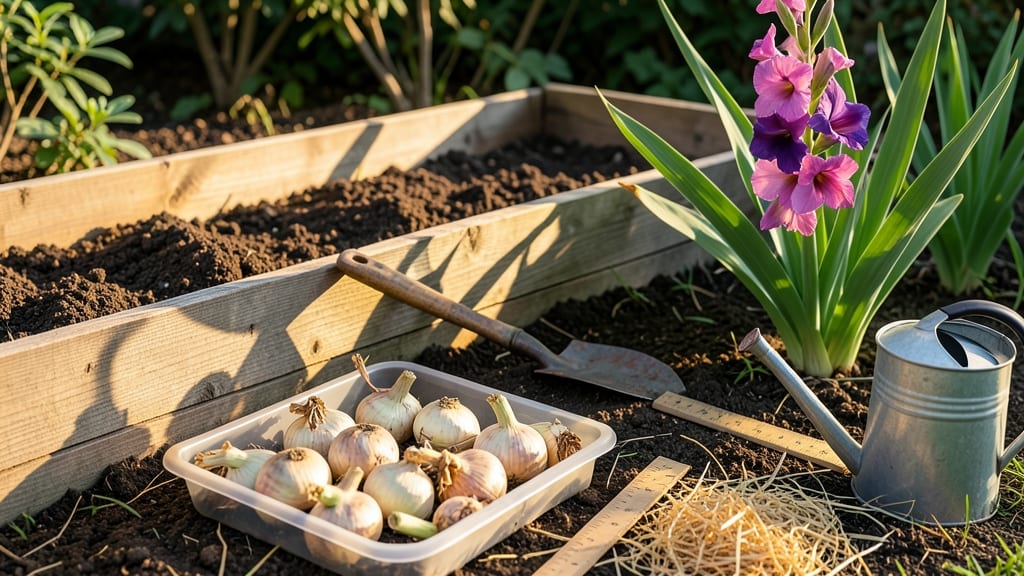
Planting gladiolus bulbs at the wrong time in North Carolina can mean waiting months for those stunning 🌸 blooms—or worse, never seeing them at all.
The key to vibrant summer flowers lies in timing: waiting until after the last frost (typically mid-April) but before the heat peaks, so your corms establish roots without wilting in the sun.
In zones 7a-8b, where NC falls, the sweet spot is mid-April to early June. This window balances soil warmth with moisture, giving your gladiolus the perfect start. Too early, and frost will fry them; too late, and you might miss the July-September bloom season entirely.
I’ve learned the hard way that heat-tolerant varieties like ‘Pink Parfait’ or ‘Black Star’ are your best bet for NC’s climate. They handle the summer sun better than standard types, but even they need well-drained soil and consistent watering to thrive.
Let me walk you through the exact steps to plant them right.
Whether you’re a first-time gardener or a seasoned pro, getting the timing down is the game-changer for show-stopping gladiolus. Skip the guesswork—here’s how to nail it every time.
Best planting months for gladiolus in North Carolina by region
Gladiolus bulbs—called corms—thrive in North Carolina’s USDA zones 7a-8b, but the exact planting window varies dramatically between the state’s three distinct regions. Coastal areas like Wilmington enjoy earlier frost-free dates (mid-March), while mountain regions like Asheville face late frosts until early May.
Planting too soon risks frost damage, while waiting too long may stunt blooms before summer’s heat peaks.
For peak summer color, aim to plant gladiolus corms 4-6 weeks before your area’s last frost date. This gives roots time to establish before 90+°F temperatures arrive.
In NC’s Piedmont (Raleigh/Durham), that’s typically mid-April to early May. Use your local Cooperative Extension office’s frost data as your guide—don’t guess!
Soil temperature is just as critical as calendar dates. Gladiolus corms need consistent 60°F+ soil to sprout. Test with a soil thermometer—if it’s below 55°F, wait another week.
In Coastal NC, soil warms faster, so you can plant as early as late March, while Mountain NC gardeners should hold off until late May.
Pro tip: If you’re eager for early blooms, try a two-stage planting in the Piedmont. Plant half your corms in April for June-July flowers, then add the rest in early May for a second flush in August. This extends your cut-flower harvest and prevents overcrowding.
North Carolina’s humid summers demand well-draining soil to prevent corm rot. Amend heavy clay with compost or sand to a depth of 12 inches. A slightly raised bed in low-lying areas improves drainage and reduces fungal risks. Test your soil’s pH (6.0–7.0 is ideal)—gladiolus hate acidic soil.
After planting, mulch heavily with straw or pine needles to retain moisture and regulate soil temps. In Coastal NC’s heat, mulch prevents corms from baking in 100°F+ soil, while in the Mountains, it insulates against cool nights.
Remove mulch in late summer to allow corms to harden off before dormancy.
Watering gladiolus deeply once a week (1–2 inches) after planting encourages strong root growth. Once spikes emerge, increase to twice weekly during bud development. Avoid overhead watering—water at the base to prevent fungal diseases like botrytis, which thrives in NC’s humidity.
Drip irrigation is ideal for consistent moisture without wetting foliage.
For extended blooms, deadhead spent flowers daily and fertilize lightly with 10-10-10 every 4–6 weeks during the growing season. In Mountain NC, where summers are shorter, choose early-blooming varieties like ‘Green Star’ to maximize your 90-day bloom window.
In Coastal NC, you can even squeeze in a fall planting for October-November color!
Remember: Gladiolus are annuals in NC’s climate, so dig up and store corms after frost (or they’ll rot). Cure them in a dry, shady spot for 2 weeks, then store in pearlite or sawdust at 40–50°F for next year’s showstopping blooms. 🌸
Heat-tolerant gladiolus varieties that thrive in North Carolina’s summer heat
North Carolina’s hot summers (USDA zones 7a-8b) demand heat-resistant gladiolus varieties that won’t wilt under 90°F+ temperatures. The right cultivars ensure vibrant blooms from July to September, even during drought-like conditions.
I’ve selected the top 5 varieties that perform best in NC’s climate, balancing color vibrancy, disease resistance, and low-maintenance care.
For bold color contrasts, try 'Black Star'—a deep purple-black variety that thrives in full sun and poor soil. Its 6-foot spikes make it a standout in cut flower arrangements, and it blooms 2-3 weeks earlier than other varieties, giving you extended summer color.
Pair it with 'Green Star', a chartreuse-green cultivar that adds a unique pop to mixed borders.
Pink Parfait is my go-to for heat tolerance—its salmon-pink blooms with white edges stay vibrant even when temperatures hit 95°F. This variety also resists thrips, a common NC pest, and produces 20+ blooms per spike. If you prefer classic elegance, 'White Friendship' offers pure white flowers with green centers, perfect for wedding bouquets or formal gardens.
For compact spaces, 'Fanfare' is a semi-dwarf variety reaching 3-4 feet tall with pink and white striped blooms. It’s drought-tolerant once established and blooms prolifically in partial shade, making it ideal for woodland gardens or container growing.
All these varieties require well-draining soil and regular watering during active growth (April–August) to prevent corm rot.