
Plants
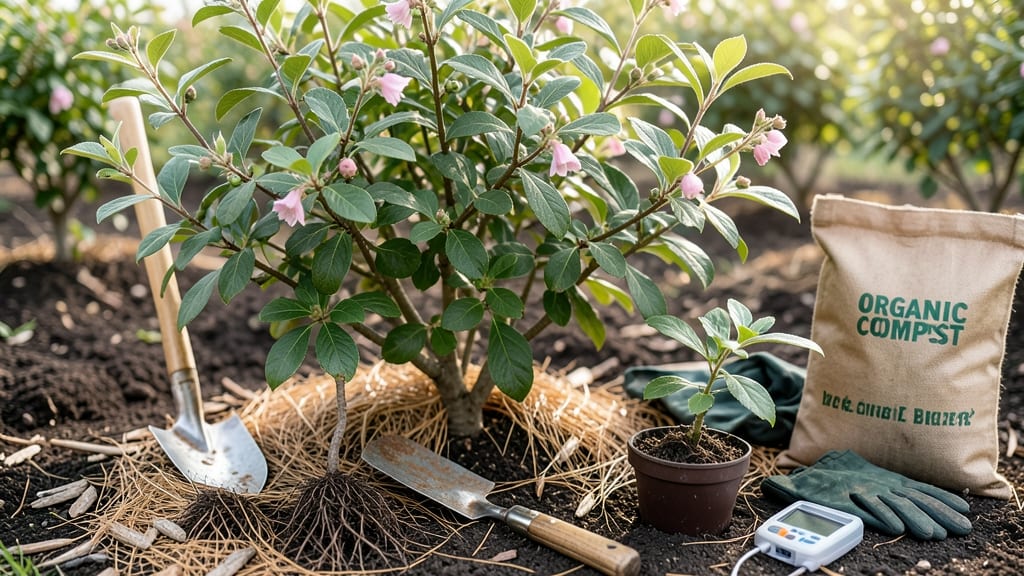
Timing your 🫐 blueberry planting in Minnesota isn’t just about the calendar—it’s about matching your variety to the state’s 1,500–2,000 chill hours and avoiding the brutal late frosts that can wipe out tender young plants.
If you plant too early in spring, a sudden cold snap could kill your seedlings before they take root. Too late, and your bushes won’t establish strong roots before winter sets in.
The sweet spot? Early spring (April–May) after the soil warms to 40–50°F, or early fall (September) before the ground freezes.
But here’s the catch: Minnesota’s climate varies wildly—southern regions like the Twin Cities have earlier frost-free dates than northern zones like Duluth. That means your planting window could shift by weeks depending on where you live in Zone 4B.
I’ll break down the exact planting schedule for Northern Highbush, Lowbush, and Half-High varieties, plus soil prep tips and microclimate adjustments to ensure your 🫐 blueberries thrive—no matter which corner of Minnesota you’re in.
Minnesota blueberry planting calendar by chill-hour requirements
Timing your blueberry planting in Minnesota’s Zone 4B hinges on two critical factors: chill hours (1,500–2,000 hours) and soil temperatures. Most nurseries sell Northern Highbush varieties (like ‘Bluecrop’), which thrive with 1,800+ chill hours—abundant in Minnesota’s winters.
But planting too early risks frost damage, while waiting too long delays root establishment before winter.
For bare-root plants, aim for early spring (April–early May) after the last frost (typically mid-May in most regions). Soil should reach 40–50°F—use a soil thermometer to confirm. Alternatively, plant in early fall (September) when temperatures drop below 60°F, giving roots time to anchor before freeze.
Southern Minnesota (e.g., Twin Cities) enjoys slightly warmer microclimates, allowing a 2-week earlier window than northern areas (e.g., Duluth). Always check your last frost date via the MN State Climatology Office to adjust timing.
| Planting Window | Chill Hours Needed | Soil Temp Threshold | Minnesota Region | Key Action |
|---|---|---|---|---|
| Early Spring (April–Early May) | 1,500–2,000 hours | 40–50°F | Statewide (adjust for microclimates) | Plant bare-root after last frost; amend soil with peat moss |
| Early Fall (September) | 1,500+ hours | Below 60°F | Southern MN (earlier); Northern MN (later) | Water deeply before ground freezes; mulch 3–4 inches |
| Late Spring (June) | 1,800+ hours | 50–60°F | Southern MN only (risky in north) | Use potted plants; protect from late frosts with row covers |
📅 Pro Tip: Southern MN can plant 2 weeks earlier than northern zones.
If you’re planting container-grown blueberries, the window extends slightly—late May to early June—since pots warm up faster. However, Northern Highbush varieties still need 1,800+ chill hours, so avoid Southern varieties like ‘Southern Highbush’ (they require 300–500 chill hours and won’t fruit well in MN).
For Lowbush varieties (e.g., ‘Patriot’), native to Minnesota’s wild bogs, plant in early spring only. These hardy shrubs tolerate 1,200–1,500 chill hours and thrive in acidic, sandy soils—ideal for northern MN’s colder climates. Avoid transplanting Lowbush in fall, as they struggle to establish before winter.
Minnesota’s microclimates play a huge role: Urban heat islands (e.g., Minneapolis) may see 1–2 weeks earlier last frosts than rural areas. Use a frost calendar from the UMN Extension to fine-tune your timing. For example, Duluth’s last frost averages May 20, while Rochester’s is May 5.
After planting, mulch heavily (4–6 inches of pine straw or wood chips) to insulate roots in winter. In Zone 4B, winter temperatures can drop to -20°F, so mulch acts as a thermal blanket. Water deeply before the first freeze to hydrate roots for dormancy.
For container blueberries, the fall planting window closes by mid-September—roots need 6–8 weeks to establish before freeze. Use acidic potting mix (pH 4.5–5.5) and move pots to a protected location (e.g., against a south-facing wall) to extend the season.
Remember: Blueberries are perennial, so first-year yields are minimal. Focus on root and canopy establishment—your second-year harvest will reward your patience with pounds of berries if planted at the right time.
Critical mistakes to avoid when planting blueberries in Minnesota (and how to Fix them)
Planting 🫐 blueberries in Minnesota’s Zone 4B climate is tricky—one wrong move, and your bushes could struggle or even die. The biggest mistake? Ignoring soil pH. Blueberries need acidic soil (pH 4.5–5.5), but Minnesota’s native soil is often alkaline (pH 7.0+).
Without fixing this, your plants will yellow and drop leaves within months.
Another common error is planting at the wrong time. Many gardeners rush to plant in early spring before the last frost, only to lose seedlings to late frosts. Or they wait too late, giving bushes insufficient time to root before winter.
The solution? Wait until soil temperatures hit 40–50°F (usually mid-April to early May) or plant in early September.
Minnesota’s alkaline soil is a silent killer for blueberries. Test your soil before planting—if pH is above 5.5, amend with peat moss or sulfur (apply 3–4 months before planting).
🔧 FIX: Mix 3 inches of peat moss into the top 12 inches of soil. Re-test pH after 2–3 months.
Skipping mulch in winter is another fatal flaw. Without protection, roots can freeze and heave out of the ground. Use 4–6 inches of organic mulch (straw, pine needles, or wood chips) around the base of your bushes.
This keeps roots 5–10°F warmer during cold snaps and retains moisture in dry summers.
Many Minnesotans also overlook pruning timing. Prune in late winter or early spring (before buds swell) to remove dead wood and crowded branches. But if you prune in fall or summer, you risk stimulating new growth that won’t harden off before winter, leading to frost damage.
Always use sterilized tools to avoid spreading disease.
Finally, over-fertilizing is a rookie mistake. Blueberries need balanced, acidic fertilizer (like 10-10-10), but too much nitrogen leads to leafy growth at the expense of fruit.
In Minnesota, feed lightly in spring (1 tbsp per plant) and skip fall fertilization entirely. Let the plant focus on root growth, not foliage, before winter.
By avoiding these 5 critical mistakes, your 🫐 blueberries will thrive in Minnesota’s harsh climate—yielding juicy, sweet berries for years to come. Start with soil prep, time your planting perfectly, and protect your bushes year-round.