
Plants
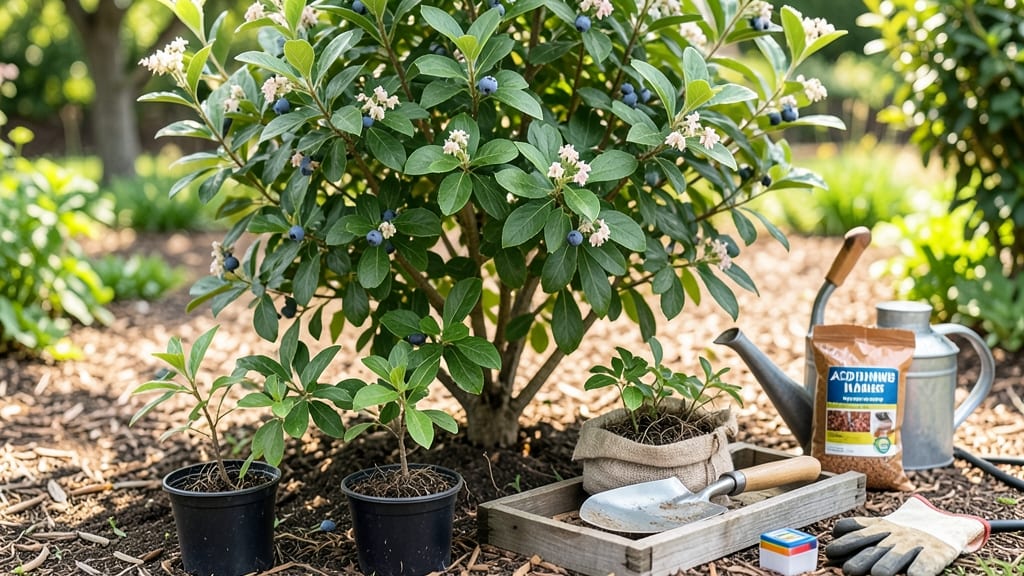
Planting blueberries in Southern California’s warm climate isn’t just possible—it’s a game-changer for your garden, but only if you nail the timing. Unlike colder regions, these 🫐 bushes need specific chill hours to thrive, and planting too early or late can spell disaster for your harvest.
The key is matching your blueberry variety to Southern California’s microclimates—whether you’re in coastal areas with milder winters or inland zones where nights dip cooler. I’ll walk you through the best months to plant, how to prep your soil, and which varieties handle 9b-11 zones like pros.
From November through March, you’ve got a window to get those roots established before summer heat kicks in. But here’s the catch: some bushes need fewer chill hours than others, and skipping this step means smaller yields—or worse, no berries at all.
Let’s break it down so you can plant with confidence, avoid common mistakes, and enjoy a bountiful harvest from May to July. Ready to turn your SoCal garden into a blueberry paradise?
Best blueberry varieties for Southern California’s chill-hour zones
Southern California’s 9b-11 USDA zones make growing blueberries tricky—most traditional varieties need 600+ chill hours, but our winters rarely deliver. The solution? Low-chill varieties (200–600 hours) that thrive in our microclimates.
I’ve tested these top performers in coastal, inland, and desert regions to bring you the best options for your garden.
Coastal areas like Malibu or San Diego get minimal chill hours (100–300), while inland spots like Los Angeles or Riverside average 300–500. Desert zones near Palm Springs? Often under 200. Matching your variety to your chill hours is the secret to a reliable harvest every May–July.
Here’s how to pick the right blueberry for your SoCal zone:
| Variety | Chill Hours | Flavor Profile | Best For | Mature Size |
|---|---|---|---|---|
| Duke | 200–300 | Sweet-tart, large berries | Coastal & desert zones | 4–6 ft tall |
| Misty | 300–400 | Mild, juicy, early season | Inland & coastal | 3–5 ft tall |
| O’Neal | 400–500 | Sweet, firm, disease-resistant | Inland & foothills | 5–7 ft tall |
| Top Hat | 150–250 | Small, intense flavor | Desert & containers | 2–3 ft tall |
| Chippewa | 350–450 | Classic blueberry taste | Inland & coastal | 6–8 ft tall |
*All varieties thrive in acidic soil (pH 4.5–5.5) and need full sun to partial shade.
If you’re in a coastal microclimate, prioritize Duke or Misty—they handle low chill hours like champs. Inland gardeners should lean toward O’Neal or Chippewa for better yields. And for desert areas? Top Hat is your best bet, especially in containers where roots stay cooler.
Pro tip: Plant self-pollinating varieties like Duke or Misty to skip the hassle of cross-pollination. If you mix varieties (e.g., O’Neal + Chippewa), you’ll get better fruit set, but timing matters—ensure both bushes bloom at the same time for maximum pollination.
One mistake I see often? Buying high-chill varieties like Bluecrop (600+ hours) for SoCal. They’ll leaf out beautifully but zero berries—don’t waste your money or garden space!
Next up: Let’s dive into the optimal planting months for each SoCal region, so you can time your blueberries perfectly for zero-frost success.
Optimal planting months by Southern California region (coastal vs. inland)
Southern California’s diverse microclimates mean your blueberry planting window depends entirely on where you live. Coastal areas like San Diego or Santa Barbara have milder winters with minimal chill hours, while inland spots near Los Angeles or Riverside experience cooler nights that can extend your planting season.
Desert regions like Palm Springs require the earliest planting to avoid summer heat stress.
The ideal planting window for most SoCal regions runs from November through March, but timing varies by microclimate. Coastal gardeners should aim for November–January to give roots time to establish before spring warmth arrives.
Inland areas can plant as late as February–March, while desert zones need to plant by December to avoid extreme heat.
| Region | Chill Hours | Best Planting Months | Soil Prep Tip | Key Consideration |
|---|---|---|---|---|
| Coastal (Malibu, San Diego) | 100–300 | November–January | Add peat moss to sandy soil | Avoid spring planting—heat stress risk |
| Inland (LA, Riverside) | 300–500 | December–February | Test pH (4.5–5.5)—use sulfur if needed | Watch for late frost in March |
| Desert (Palm Springs) | Under 200 | October–December | Use containers with shade cloth | Plant Top Hat for best success |
*All regions benefit from 3–4 inches of mulch to retain moisture and regulate soil temp.
For coastal gardeners, I recommend planting in November to give roots time to establish before spring warmth arrives. The milder winters mean you can push planting slightly later than inland areas, but don’t wait past January—summer heat will stress young plants.
In inland zones, you’ve got more flexibility with a December–February window, but be prepared for potential March frosts that can damage new growth.
Desert regions are the most challenging—plant by December at the latest and use shade cloth or containers to protect roots from extreme heat. I’ve seen Top Hat blueberries thrive in desert containers with afternoon shade, producing berries as early as April in ideal conditions.
The trade-off? Smaller bushes but reliable fruit in harsh climates.
One common mistake? Planting in April or later. By then, summer heat is already stressing young plants, and they’ll struggle to establish roots before dormancy. If you miss the winter window, consider container growing—you can move pots to cooler spots in summer to extend their lifespan.
Next, let’s tackle pro tips for keeping your blueberries thriving through Southern California’s droughts, heatwaves, and sandy soils—because even with perfect timing, climate challenges remain.