
Plants
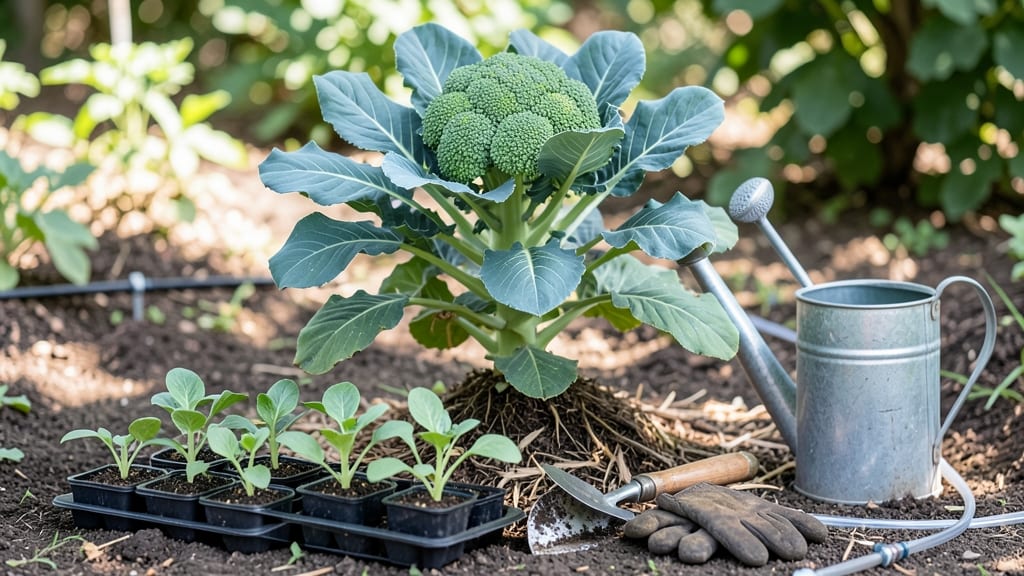
Planting broccoli in Arizona might seem like a gamble—until you know the exact timing that turns desert heat into your garden’s secret weapon. Skip the frost worries and focus on the fall and winter windows when temperatures drop just enough for 🥦 to thrive, even in Phoenix or Flagstaff’s extremes.
Most gardeners assume broccoli needs cool soil year-round, but Arizona’s USDA Zones 5–10 demand a smarter approach. The key? Start seeds indoors by mid-August or transplant seedlings in September–October, when daytime highs dip below 90°F—the magic threshold for broccoli’s survival.
Here’s the game-changer: with succession planting every 2–3 weeks through November, you’ll stretch harvests into spring before summer’s relentless sun arrives. I’ll show you how to beat the heat with shade tricks and water-saving hacks that keep your 🥦 happy even when the thermometer hits 110°F.
Ready to grow broccoli that outsmarts Arizona’s climate? Let’s dive into the month-by-month calendar that turns “impossible” into a bountiful harvest—no frost, no stress, just homegrown goodness.
Best planting windows for broccoli in Arizona’s desert climate
Arizona’s USDA Zones 5–10 create a puzzle for broccoli growers—too hot in summer, but perfect in cooler months if timed right. The ideal planting windows focus on fall and winter, when temperatures drop below 90°F and your broccoli can finally breathe.
In Phoenix, this means September through November, while high-desert areas like Flagstaff can start as early as mid-August.
Pro tip: Succession planting every 2–3 weeks ensures a continuous harvest. For example, plant your first batch in late August and follow up with new seeds every 14 days until mid-November. This stretches your harvest into early spring, just before summer’s heat returns.
Here’s the critical detail: broccoli hates heat. When daytime temps exceed 85°F, growth slows, and heads may bolt prematurely. That’s why shade cloth (30–50%) becomes your best friend during spring and fall transitions.
🚨 NON-NEGOTIABLE: Test soil temps before planting. Broccoli thrives in 55–75°F soil. Use a soil thermometer to avoid planting too early in warm desert soils.
| Region | Best Planting Window | Soil Temp Goal | Heat Tolerance Tip |
|---|---|---|---|
| Low Desert (Phoenix, Tucson) | Late August–November | 55–70°F | Use 50% shade cloth in spring |
| High Desert (Flagstaff, Prescott) | Mid-August–October | 50–65°F | Plant near water sources for cooler microclimates |
| Coastal (Yuma, Safford) | September–December | 60–75°F | Irrigate deeply at night to retain moisture |
Don’t overlook spring planting for a second harvest. After your winter crop bolts in March–April, sow fast-maturing varieties like ‘Waltham 29’ in early spring (February–March) for a May–June harvest before summer heat peaks.
For container gardening, stick to 5-gallon pots and plant in October–November. Containers heat up faster, so add perlite to soil to improve drainage and cooling.
🌱 Pro Move: Mulch with straw or wood chips to keep soil temps stable. This simple step can extend your planting window by 2–3 weeks in both spring and fall.
Watch for first frost dates, which vary wildly across Arizona. In Zone 5 (Flagstaff), frost can hit as early as October, while Zone 10 (Phoenix) rarely sees frost.
Adjust your timeline accordingly—Zone 5 gardeners should plant by September 15, while Zone 10 can push to November 1.
Finally, harden off seedlings for 7–10 days before transplanting. Arizona’s low humidity and intense sun can shock young plants. Start by exposing them to 2–3 hours of sun daily, then gradually increase.
With these windows nailed down, you’re ready to outsmart Arizona’s climate and enjoy homegrown broccoli year-round—minus the frost worries. Next, we’ll tackle heat-proofing your plants for those unexpected warm spells. 🌡️
How to extend broccoli’s growing season in extreme heat
Arizona’s summer heat can turn broccoli into a wilting disaster if you don’t play by the rules. But with the right tricks, you can stretch your harvest well beyond the ideal fall/winter windows.
The key? Beat the heat with smart shade solutions, water hacks, and soil prep that keeps roots cool even when temps hit 110°F.
First, shade cloth is non-negotiable during spring and fall transitions. Use 30–50% shade cloth to filter intense desert sun while still allowing enough light for growth. For container gardens, opt for white pots—they reflect heat away from roots and stay 10–15°F cooler than dark containers.
🌡️ Heat-Proofing Checklist:
- ✅ Morning watering (before 9 AM) to reduce evaporation
- ✅ Drip irrigation (not sprinklers) to keep foliage dry
- ✅ Mulch with straw (2–3 inches deep) to insulate roots
- ✅ Avoid overhead watering after 4 PM to prevent fungal risks
For soil prep, focus on moisture retention. Amend your garden beds with compost and coconut coir to hold 30% more water than regular soil.
In sandy Arizona soils, add hydrogel crystals—they absorb up to 500x their weight in water and release it slowly over 2–3 weeks.
💧 Pro Tip: Water deeply but infrequently. Broccoli roots run 12–18 inches deep, so 1–2 inches of water per week (delivered in 2–3 sessions) encourages deeper root growth, making plants more drought-resistant.
If you’re growing broccoli in summer’s edge months (May–June), choose heat-tolerant varieties like ‘Belstar’ or ‘Packman,’ which handle 85–90°F temps better than standard types. Pair them with row covers during the hottest afternoon hours (12–4 PM) to drop leaf temps by 10–15°F.
Finally, prune lower leaves to improve airflow and reduce heat stress. Remove yellow or wilted leaves immediately—they act like mini solar panels, absorbing excess heat. With these tactics, you can extend harvests by 4–6 weeks into early summer before bolting becomes inevitable.
🌱 Remember: Broccoli’s ideal temp range is 60–75°F. When temps climb above 80°F, growth slows dramatically. Use these tricks to keep plants cool and maximize your harvest—even in Arizona’s fiercest heat. Next, we’ll explore the top 3 broccoli varieties that thrive here without fuss. 🥦