
Plants
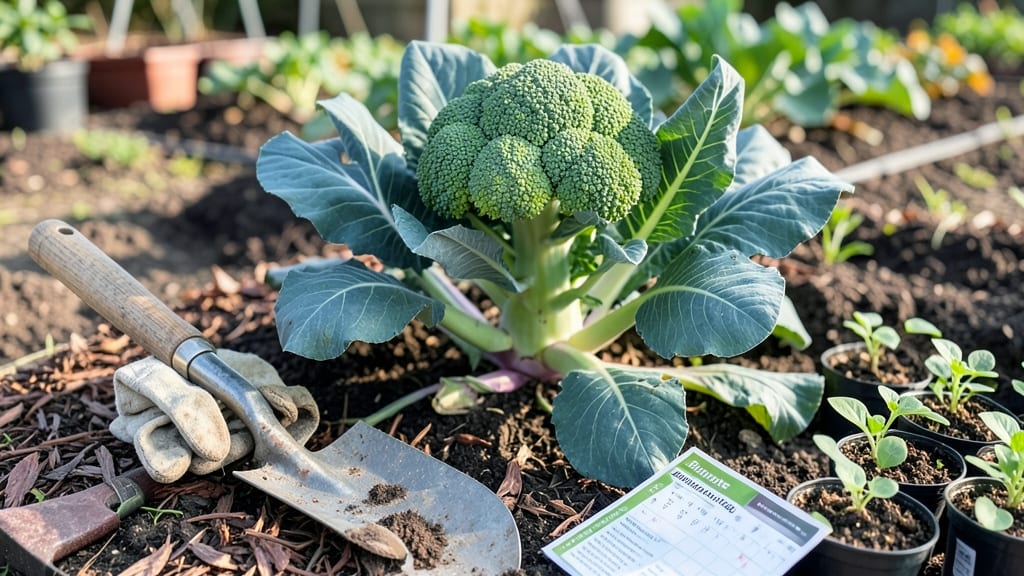
Planting broccoli in Central Texas feels like walking a tightrope—get the timing wrong, and you'll either fry your 🥦 in the heat or lose it to frost. The key to success? Knowing exactly when to plant so your plants thrive, not bolt.
Most gardeners here make one of two mistakes: planting too early and watching their broccoli race toward flowers in the summer heat, or waiting too long and getting caught by winter chills. But with the right schedule, you can grow crisp, flavorful heads from fall through spring.
I’ve tested what works in USDA Zone 8a, and the magic window is narrow but precise. Whether you’re a first-time gardener or a seasoned pro, these exact dates will help you avoid common pitfalls and maximize your harvest.
Let’s break down the best months to plant, how to prep your soil, and which varieties handle Texas’ unpredictable climate best. Your perfect broccoli patch starts here.
Best planting dates for broccoli in Central Texas (avoiding heat & frost)
Broccoli thrives in Central Texas’ cool seasons, but timing is critical—plant too early, and 100°F heat will trigger bolting. Too late, and freezing temps below 25°F can kill seedlings. The ideal window is late August to early September for fall harvests and February to early March for spring.
These dates align with USDA Zone 8a frost averages, ensuring your broccoli matures before summer’s relentless sun.
Central Texas’ first frost typically hits around December 15, while the last frost arrives by January 15. For fall planting, aim to sow seeds 4-6 weeks before frost—usually mid-August to early September.
Spring plantings should go in 2-3 weeks before your last frost, giving heads time to form before heat stress sets in. Varieties like 'De Cicco' and 'Calabrese' handle Texas’ fluctuations best.
Soil temperature is just as crucial as air temperature. Broccoli seeds need 40-85°F soil to germinate. In Central Texas, soil cools to these levels by late August and warms again by early March.
Use a soil thermometer to confirm—if temps are above 85°F, wait or use shade cloth to protect seedlings. Pro tip: Morning planting (before 10 AM) reduces heat stress on young plants.
Here’s how planting dates vary by city in Central Texas:
- Austin: First frost Dec 10-15, last frost Jan 10-15
- San Antonio: First frost Dec 15-20, last frost Jan 20
- Waco: First frost Dec 5-10, last frost Jan 5-10
Adjust your schedule 5-7 days earlier for northern areas (Waco) and 5-7 days later for southern zones (San Antonio).
| Season | Planting Window | Soil Temp | Harvest Window | Key Notes |
|---|---|---|---|---|
| Fall | Late August - Early September | 40-85°F | October - November | Plant 4-6 weeks before frost |
| Spring | February - Early March | 40-85°F | April - May | Plant 2-3 weeks before last frost |
| Extended Fall | Mid-October (with row covers) | 40-70°F | December (light frosts OK) | Use cold frames for protection |
For succession planting, sow new seeds every 2-3 weeks during your chosen window. This ensures a continuous harvest—critical in Central Texas’ short cool seasons. For example, plant one batch in late August, another in mid-September, and a final batch in early October (with row covers).
This staggered approach maximizes your yield before summer heat arrives.
Direct sowing is best for Central Texas gardeners. Start seeds ¼ inch deep in well-draining soil with a pH of 6.0-7.0. Harden off seedlings for 5-7 days before transplanting, and space plants 18-24 inches apart to prevent crowding.
If using transplants, choose cold-hardy varieties labeled for Zone 8a or lower.
Watch for heat stress signs like yellowing leaves or stunted growth—these indicate it’s time to adjust your schedule. In 2023’s unusually warm fall, many Austin gardeners saw broccoli bolt by mid-October when planted in late August. Learn from these mistakes: delay planting if summer lingers into September.
Protect young plants with shade cloth (30-50%) during 100°F+ days to buy time. Evenings in Central Texas can drop to 70°F, but daytime highs often exceed 90°F—this temperature swing stresses broccoli.
Use drip irrigation to keep soil evenly moist, and mulch with straw or wood chips to retain moisture and regulate soil temps.
Remember: Broccoli is a cool-season crop, not a heat lover. In Central Texas, your goal is to beat the summer heat while avoiding frost. With these precise planting dates and season-extension tips, you’ll harvest tender, flavorful heads before the Texas sun takes over.
Best planting dates for broccoli in Central Texas (avoiding heat & frost)
Central Texas’ USDA Zone 8a climate makes broccoli a fall and spring crop—any other time, and you’ll battle either scorching heat or unpredictable frosts. The ideal planting window is narrow: late August to early September for fall harvests and February to early March for spring.
These dates align with soil temperatures that prevent bolting while avoiding frost damage.
Broccoli thrives when daytime temps stay between 60°F and 75°F. In Central Texas, summer’s 90°F+ days trigger bolting (flowering before harvest), while winter’s 32°F frosts can kill young plants.
The key is planting when your region’s first frost date (Dec 15) and last frost date (Jan 15) create a 100-day growing window.
| Season | Planting Window | Soil Temp (°F) | Days to Harvest | Harvest Months |
|---|---|---|---|---|
| Fall | Late August - Early September | 60-75°F | 50-60 days | October - November |
| Spring | February - Early March | 55-65°F | 60-70 days | April - May |
Adjust dates 1-2 weeks earlier for high-elevation areas like Austin or later for San Antonio’s heat sinks.
For Austin’s cooler microclimates, push fall planting to mid-September to avoid early frosts. In San Antonio’s heat, start seeds indoors in July for transplanting by mid-August. Waco’s drier climate benefits from mulching to retain moisture during these critical windows.
Pro tip: Use frost cloth if planting near your last frost date. Lay it over seedlings when nighttime temps drop below 40°F to protect young plants without smothering them. Remove it by 10 AM to allow sunlight for growth.
Soil prep is just as critical as timing. Central Texas’ clay-heavy soil drains poorly, so amend with 2-3 inches of compost and 1 inch of aged manure before planting.
Aim for a pH of 6.0-7.0—broccoli hates acidic soil. Test your soil in late summer to adjust before your fall planting window.
Remember: Succession planting every 2 weeks during your ideal months ensures a steady harvest. For example, plant half your seeds in late August, another half in early September, and finish by mid-September. This staggered approach gives you broccoli from October through November without gaps.