
Plants
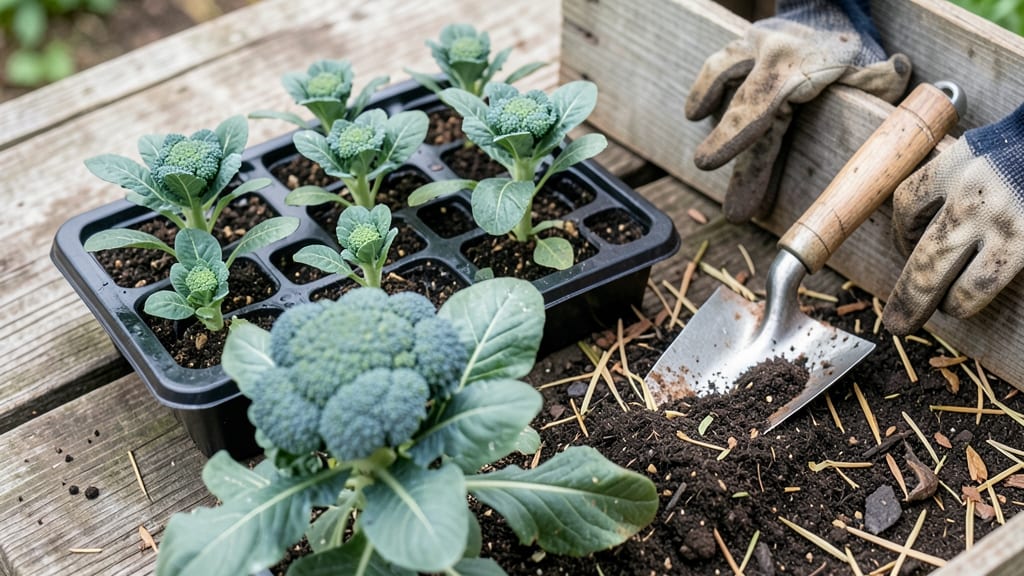
Timing your broccoli 🥦 planting just right in Washington State means the difference between a bumper crop and a sad, bolted disappointment—and the secret lies in knowing when to start seeds or set out transplants for your exact region.
With USDA zones ranging from 6b in Spokane to 8b in Seattle, Washington’s climate gives you two prime windows: early spring (March–April) for a summer harvest or late summer (July–August) for a fall feast.
But skip the guesswork—plant too early, and you’ll risk frost; too late, and your heads will turn bitter before they’re ready.
I’ve grown broccoli across the state, and the most reliable strategy is to time your planting so heads mature 100–120 days before the first frost—that’s September–November for fall crops.
Whether you’re in the rainy Puget Sound or the drier Columbia Basin, these exact months will keep your plants happy and productive.
Ready to ditch the trial-and-error? Let’s break down the precise planting calendar for your corner of Washington, plus the cold-hardy varieties that actually thrive here—no matter what Mother Nature throws your way.
Best planting months for broccoli in Washington State by region
Washington State’s diverse climate means broccoli planting times vary dramatically between Seattle’s mild coastal zone and Spokane’s colder inland winters. The Puget Sound region (USDA Zone 8b) enjoys longer growing seasons, while Eastern WA (Zone 6b) faces earlier frosts.
Timing your spring and fall plantings around these regional differences ensures healthy, frost-free harvests.
For spring harvests, aim to plant 4–6 weeks before your area’s last frost date.
In Western WA, this typically means mid-March to early April, while Eastern WA gardeners should wait until late April. Fall plantings should occur 100–120 days before the first frost, usually July to early August across most regions.
Here’s a quick reference for Washington’s three key regions:
| Region | Last Frost Date | First Frost Date | Spring Planting Window | Fall Planting Window |
|---|---|---|---|---|
| Puget Sound (Seattle) | March 15 | October 15 | Mid-March to April 15 | July 15–August 15 |
| Western WA (Olympia) | March 20 | October 20 | Late March to April 10 | July 1–August 10 |
| Eastern WA (Spokane) | April 15 | November 1 | Late April to May 1 | June 15–July 15 |
| Columbia Basin (Yakima) | April 1 | October 31 | Mid-April to May 1 | June 20–July 20 |
If you’re growing cold-hardy varieties like 'Waltham 29' or 'De Cicco', you can push fall plantings even later—sometimes into mid-August in Zone 8b. These varieties tolerate light frosts (down to 20°F) and produce sweeter heads after a light freeze.
For container gardening in urban areas like Seattle or Tacoma, start seedlings indoors in February and transplant after your last frost. Containers warm up faster, so protect them with row covers if nights dip below 40°F.
In cooler inland areas, opt for transplants instead of seeds to avoid slow germination in cold soil.
Pro tip: Use succession planting every 2–3 weeks in spring and fall to ensure a continuous harvest. In Western WA, this means March, April, July, and August plantings, while Eastern WA gardeners should focus on May and June for fall crops.
Always check your local frost dates using the USDA Plant Hardiness Zone Map or your cooperative extension service. Microclimates—like urban heat islands or protected garden nooks—can shift planting windows by 1–2 weeks. For example, Bellingham’s coastal climate may allow earlier spring plantings than Everett’s inland pockets.
Remember, broccoli bolts (premature flowering) when exposed to heat over 80°F. In Eastern WA’s hot summers, opt for shade cloth or late-afternoon shade to keep plants cool. In Western WA, spring bolting is rare, but fall plantings must avoid September heat waves.
🌱
Best planting months for broccoli in Washington State by region
Washington’s diverse climate means your last frost dates can vary by over a month between Seattle and Spokane. In the Puget Sound region (USDA 8b), aim to plant broccoli March 1–April 15 for spring harvests or July 15–August 15 for fall crops.
Meanwhile, in Eastern WA (USDA 6b), push spring planting to April 1–May 1 to avoid early frosts.
The Columbia Basin has later frost dates, giving you a two-week extension for spring planting. For all regions, fall planting should finish by August 15 to ensure heads mature before first frosts (Seattle: Oct 15, Spokane: Nov 1).
Here’s a quick reference for your exact location:
| Region | Spring Planting | Fall Planting | Key Variety |
|---|---|---|---|
| Puget Sound (Seattle) | March 1–April 15 | July 15–August 15 | Waltham 29 |
| Eastern WA (Spokane) | April 1–May 1 | July 1–August 10 | De Cicco |
| Columbia Basin (Yakima) | March 15–April 30 | July 10–August 20 | Calabrese |
For transplants, buy cold-hardy starts from local nurseries and set them out 2–3 weeks after your last frost date. In Seattle, that’s typically mid-April; in Spokane, wait until early May.
If you’re starting from seeds, sow indoors 6–8 weeks before transplanting or directly in the garden 4–6 weeks before last frost.
Pro tip: Use black plastic mulch in early spring to warm the soil faster and straw mulch in fall to insulate roots. This extends your planting window by 1–2 weeks in both directions—critical for maximizing yields in Washington’s short growing season.
Remember, broccoli hates heat. Plant fall crops early enough so heads form before temperatures rise above 80°F. If you miss the window, try heat-tolerant varieties like ‘Belstar’ for late summer plantings.