
Plants
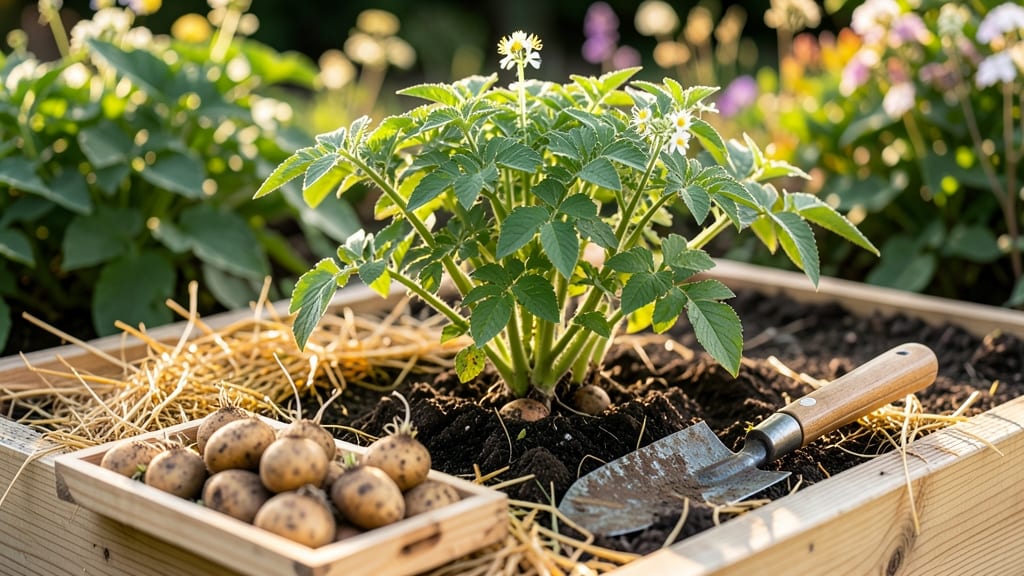
Planting fall potatoes in Louisiana might seem tricky with its sweltering summers, but timing is everything—and late July to August is your golden window for a thriving harvest. The key lies in beating the heat while giving your 🥔 enough time to mature before winter's chill arrives.
Most gardeners assume you need to rush potatoes in early summer, but Louisiana’s 8a-9b climate actually rewards patience. By starting in late July, you avoid the peak heat while still allowing 90-120 days to grow before the first frost in December.
This strategy works especially well for heat-tolerant varieties that thrive in our humid conditions.
What sets Louisiana apart is the ability to grow potatoes well into fall, even when other regions are wrapping up. With the right preparation—like well-drained soil and consistent moisture—you can extend your growing season and enjoy homegrown potatoes long after most gardens have called it quits.
In this guide, I’ll break down the exact planting dates, top varieties for your region, and pro tips to maximize your yield. Whether you're a seasoned gardener or just starting, these insights will help you turn Louisiana’s summer heat into a potato-growing advantage.
Best fall planting dates for Louisiana potatoes: exact timing by region
Timing is everything when planting fall potatoes in Louisiana’s humid climate. Unlike spring plantings, fall potatoes require precise scheduling to avoid heat stress or early frost.
The ideal window is late July through early August, but regional microclimates—like New Orleans’ coastal warmth versus Shreveport’s inland heat—can shift your exact start date by weeks.
Louisiana’s USDA Zones 8a-9b mean gardeners have roughly 240 frost-free days, but fall potatoes need 90-120 days to mature. This leaves a tight 4-6 week window before the first frost (typically around December 1).
Plant too early, and your tubers will overheat; too late, and they won’t bulk up before winter.
Here’s the breakdown you need to nail your fall potato harvest timing—including backup dates for late starts or unpredictable weather.
🌱 Louisiana Fall Potato Planting Timeline
| Region | Ideal Planting Window | Backup Window (Late Start) | Harvest Window | Key Risk |
|---|---|---|---|---|
| North Louisiana (Shreveport, Monroe) | Late July – Early August | Mid-August (if soil temps drop) | Mid-October – Early November | Early frost (Dec 1-15) |
| Central Louisiana (Baton Rouge, Lafayette) | Early July – Late July | Early August | Late September – Mid-November | Hurricane delays (Aug-Sept) |
| South Louisiana (New Orleans, Houma) | Mid-July – Early August | Late August (cooler coastal temps) | October – December (milder winters) | Soil compaction (wet seasons) |
📌 Pro Tip: Use a soil thermometer—ideal planting temps are 60-70°F (15-21°C). If temps exceed 85°F (29°C), delay until evening or use shade cloth.
For gardeners in Zone 9a (e.g., Houma), you can push planting to late August and still harvest before frost. But in Zone 8a (e.g., Monroe), aim for early August—any later risks tubers maturing too slowly.
Always check your local frost date (via the National Weather Service) and count backward 100 days to set your deadline.
One common mistake? Planting seed potatoes too deep in hot soil. Louisiana’s clay-heavy soils can trap heat, so stick to 4-6 inches deep and space rows 24 inches apart for airflow. If your soil stays above 80°F (27°C) for more than a week, consider straw mulch to insulate roots.
Hurricane season (June-November) adds another layer of complexity. If a storm hits in late August or September, delay planting until September—just ensure you can harvest before October 15. Use raised beds if your yard floods easily; they warm up faster after rain and drain better.
Finally, don’t overlook soil preparation. Louisiana’s acidic soils (pH 5.5-6.5) need lime or wood ash to reach pH 6.0-7.0 for potatoes. Test your soil in June and amend 4-6 weeks before planting. Add compost or aged manure for nutrients, but avoid fresh manure—it burns roots in hot weather.
With these dates and prep steps, you’ll avoid the two biggest pitfalls: heat-stressed tubers and frost-bitten harvests. Next, we’ll cover the top 5 heat-tolerant varieties that thrive in Louisiana’s fall conditions—including one that’s a local favorite for its disease resistance.
Best fall planting dates for Louisiana potatoes: exact timing by region
Louisiana’s 8a-9b climate creates a unique opportunity for fall potatoes—if you time it right. The ideal window is late July through early August, giving your 🥔 90-120 days to mature before the first frost in December. This timing avoids peak summer heat while maximizing growth potential.
Southern Louisiana (e.g., New Orleans) can push planting slightly later—early August—thanks to warmer soil temperatures. Meanwhile, northern regions (e.g., Shreveport) should start by mid-July to account for cooler nights. The key is soil temperature: aim for 50-60°F at planting depth.
Here’s how to adjust for Louisiana’s microclimates:
| Region | Best Planting Window | Backup Window | Frost Risk |
|---|---|---|---|
| Southern (New Orleans) | Early August | Late July | Late December |
| Central (Baton Rouge) | Late July | Early August | Mid-December |
| Northern (Shreveport) | Mid-July | Late July | Early December |
*Adjust for early frost warnings—Louisiana’s first frost can vary yearly.
For late starts, opt for fast-maturing varieties (e.g., ‘Red LaSoda’ at 70 days) to squeeze in a harvest. Plant by mid-September at the latest, but expect smaller yields. Always check your local frost date—some years, December frost arrives early!
Pro tip: Use a soil thermometer to confirm temperatures. Cool soil delays sprouting, so wait until it warms to 60°F+ at 4 inches deep. This small step can mean the difference between a thriving crop and a failed attempt.
Once planted, prioritize consistent moisture—especially in Louisiana’s humid climate. Mulch with straw to retain soil moisture and prevent tubers from turning green (a common issue in hot, wet conditions).
With the right timing and care, your fall potatoes will reward you with a harvest just in time for holiday meals.