
Plants
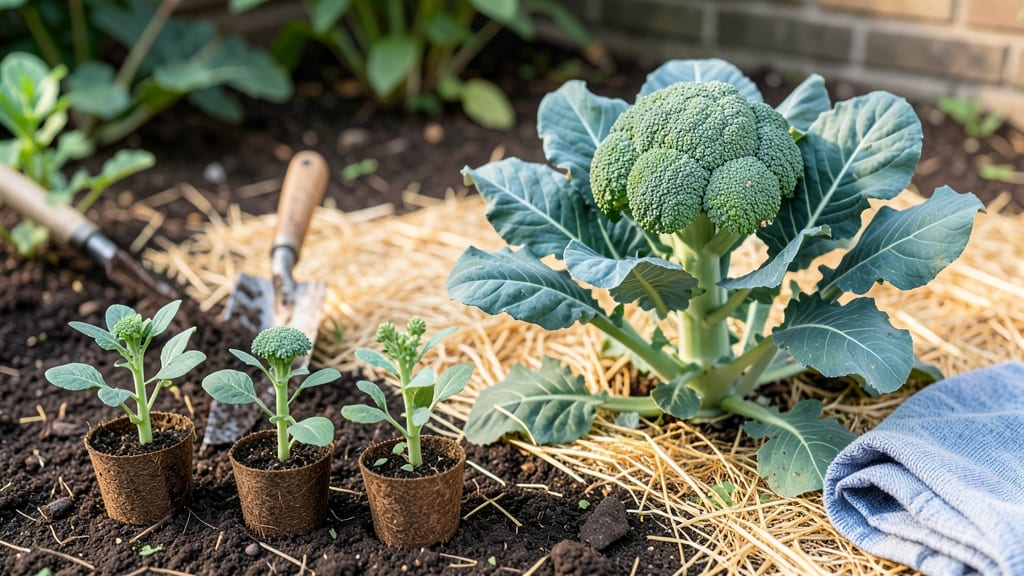
Planting broccoli in North Carolina’s fall season could mean the difference between a thriving 🥦 harvest and wasted effort—because timing is everything. If you miss the window between late August and early October, your plants might bolt before frost or struggle to mature in time.
The key lies in understanding exactly when to plant by variety and region, so you can enjoy fresh, frost-resistant broccoli from November through March.
I’ve grown broccoli in NC’s 6a-8b zones for years, and I’ve learned that Coastal, Piedmont, and Mountain areas each have slightly different needs.
Whether you’re growing fast-maturing varieties like De Cicco or cold-hardy types like Purple Sprouting, getting the timing right ensures your plants have enough time to develop before winter sets in. Let’s break down the exact dates and steps to maximize your fall harvest.
Most gardeners overlook how soil prep and spacing affect fall broccoli success. In NC’s warm fall climate, you’ll need well-draining soil with a pH of 6.0-7.0 and spacing that prevents overcrowding—critical details that often get overlooked.
I’ll show you how to prepare your garden beds and space plants correctly for a more efficient and abundant harvest.
Once planted, your broccoli needs consistent care to thrive through NC’s unpredictable fall weather. From watering schedules to frost protection tips, I’ll share the exact strategies I use to extend the growing season and keep my plants healthy until harvest.
Ready to grow broccoli that’s ready to pick just as winter arrives?
Best fall planting dates for broccoli in NC by variety type
North Carolina’s fall growing season offers the perfect window for broccoli cultivation, but the exact timing depends on your variety and microclimate. In USDA Zones 6a-8b, the ideal planting window spans from late August to early October, ensuring your crop matures before hard frosts arrive.
Mountain regions (like Asheville) may need earlier starts, while Coastal areas (like Wilmington) can push dates slightly later.
For Calabrese broccoli—the classic blue-green variety—aim to plant 8-10 weeks before your first frost.
In most of NC, this translates to mid-September for a November harvest. De Cicco, a smaller Italian variety, matures faster (50-60 days) and can handle cooler temps, making it ideal for late-September plantings in frost-sensitive zones.
Purple Sprouting broccoli is a cold-hardy gem that thrives in NC’s fall chill. Plant these 10-12 weeks before frost, or by early September, to take advantage of their extended harvest window through winter. Their vibrant purple heads add a pop of color to your garden and tolerate light frosts better than green varieties.
Regional adjustments are key: In the Piedmont, where frosts hit mid-October, stick to August 25–September 15 for most varieties. Coastal NC gardeners can plant until early October thanks to milder winters, while Mountain regions should start by mid-August to avoid early frosts.
🌱
| Variety | Days to Maturity | Best Planting Window (NC) | Frost Tolerance | Notes |
|---|---|---|---|---|
| Calabrese | 60-80 days | Late Aug–Mid-Sept (Piedmont), Sept 1–15 (Coastal) | Moderate (28°F) | Classic blue-green heads; needs consistent moisture. |
| De Cicco | 50-60 days | Late Sept–Early Oct (all regions) | High (25°F) | Compact, Italian variety; great for containers. |
| Purple Sprouting | 80-100 days | Early Aug–Early Sept (Mountains), Sept 1–15 (Coastal) | Very High (20°F) | Harvest until spring; purple heads turn green when cooked. |
| Waltham 29 | 55-65 days | Late Aug–Mid-Sept (all regions) | Moderate (28°F) | Dwarf variety; ideal for small gardens. |
When selecting varieties, prioritize fast-maturing types if your growing season is short. Waltham 29, for example, reaches harvest in just 55-65 days, making it perfect for late-September plantings in frost-prone zones. Always check seed packets for days to maturity and adjust your planting date accordingly.
Soil temperature plays a critical role in germination. Broccoli seeds sprout best in soil that’s 45–85°F. In NC’s fall, this typically means waiting until mid-to-late August when daytime temps drop below 90°F. Use a soil thermometer to confirm—cool soil speeds up germination and reduces disease risk.
For direct sowing, plant seeds ¼ inch deep and 12–18 inches apart in rows 24–30 inches apart.
If starting transplants indoors, move them outside 4–6 weeks before your target planting date to harden them off. Hardening off (acclimating to outdoor conditions) reduces transplant shock and boosts survival rates in NC’s variable fall weather.
💧
Pro tip: Use black plastic mulch to warm the soil in early fall plantings or straw mulch to retain moisture and suppress weeds. This simple trick can extend your planting window by 1–2 weeks in cooler microclimates like the NC Mountains.
Pair this with drip irrigation to deliver consistent moisture without wetting the foliage, reducing fungal diseases like downy mildew.
Finally, keep an eye on the NC State Climate Office for 10-day forecasts and adjust your planting timeline if unseasonably warm or cold weather is predicted. Flexibility is key—especially in NC’s diverse climate zones where a 5°F difference can mean the difference between a thriving crop and a failed harvest.
Best fall planting dates for broccoli in NC by variety type
North Carolina’s fall planting window for broccoli is tight—just 6-8 weeks before your region’s first frost. In the Piedmont, aim for late August to early September, while Coastal NC gardeners can push planting until mid-October.
Mountain zones (like Asheville) should start by mid-August due to earlier frosts. The key is matching your broccoli variety to your local frost date.
Cool-season varieties like Calabrese and De Cicco thrive in NC’s fall but need precise timing.
Plant Calabrese (60-90 days to maturity) 8-10 weeks before frost, while fast-maturing varieties like Waltham 29 (50-60 days) can handle later starts. Purple Sprouting broccoli, with its longer harvest window, is ideal for early September plantings in most of NC.
| Variety | Days to Maturity | Best Planting Window (NC) | Frost Tolerance | Harvest Window |
|---|---|---|---|---|
| Calabrese (e.g., 'Green Magic') | 60-90 days | Late August - Early September | Moderate (28°F) | November - December |
| De Cicco | 50-60 days | Mid-September - Early October | High (25°F) | October - November |
| Purple Sprouting | 90-120 days | Early September (Coastal) / Late August (Mountains) | Very High (20°F) | November - March |
| Waltham 29 | 50-60 days | Late September - Early October | Moderate (28°F) | October - November |
For Coastal NC, where frosts arrive later, you can extend planting until mid-October for fast varieties like Waltham 29. In the Mountains, prioritize early September plantings to avoid early October frosts.
Use your local frost date (check the NC State Climate Office) as your guide—subtract 60 days for most varieties.
Adjust for microclimates in your area. A south-facing garden bed stays warmer and can support later plantings by 1-2 weeks. Conversely, low-lying areas may experience frost 10-14 days earlier than higher elevations. Use row covers to push back frost dates by 2-4 weeks if needed.
Soil temperature is critical—broccoli seeds won’t germinate well below 45°F. Wait until soil temps stabilize above this threshold, even if air temps are cooler. Use a soil thermometer to monitor, especially in September when nights cool quickly. Warm the soil with black plastic mulch if planting early.
Once planted, maintain consistent moisture and fertile soil to prevent bolting. Avoid nitrogen-heavy fertilizers late in the season, as they encourage leafy growth over heads. Instead, use a balanced 5-10-10 fertilizer at planting and side-dress with compost when side shoots form.