
Plants
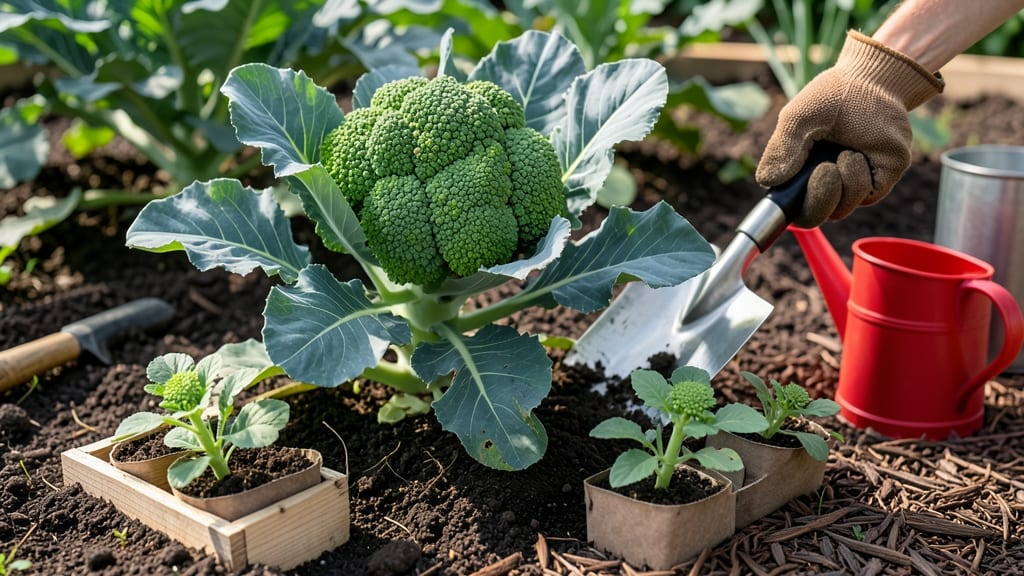
Timing your 🥦 broccoli planting in South Carolina can feel like a guessing game—get it wrong, and you’ll end up with bitter, tough heads instead of the sweet, tender crowns you crave.
The key to success lies in understanding the two ideal windows that align with your local microclimate, whether you're in the humid coastal plains or the cooler Piedmont region.
Most gardeners in zones 7b-8a know spring and fall are the best times, but the exact dates matter more than you’d think. Plant too early, and frost will nip your seedlings; too late, and summer’s heat will send your broccoli bolting before it even forms heads.
I’ll break down the precise planting schedule you need to avoid these pitfalls and maximize your harvest.
For coastal areas like Charleston, where warm ocean breezes linger, your best bet is to start seeds indoors 4-6 weeks before your last frost date—typically late February to early March for spring.
Inland spots like Greenville, with their cooler nights, can push planting just a little later, giving you more flexibility. But here’s the game-changer: fall planting requires even more precision.
Whether you’re a first-time gardener or a seasoned green thumb, these timing tricks will help you grow healthier, more productive broccoli—without the frustration. Let’s get those seeds in the ground at the perfect moment for your part of South Carolina.
South Carolina broccoli planting calendar: coastal vs inland timing differences
South Carolina’s climate varies dramatically between its coastal regions and inland Piedmont areas, creating distinct planting windows for broccoli. In Charleston’s coastal zone (USDA 8a), warmer winters and longer growing seasons allow for earlier spring plantings, while Greenville’s Piedmont (USDA 7b) experiences cooler temperatures and earlier frosts.
Understanding these differences ensures your broccoli thrives year-round.
For spring plantings, coastal gardeners should start seeds indoors by mid-January and transplant outdoors by late February, while inland gardeners wait until early March to avoid frost damage.
Fall plantings follow the opposite pattern: coastal areas can plant seeds by early August, while inland regions must start by mid-July to finish harvests before frost.
Here’s how the timing breaks down across South Carolina’s two primary microclimates:
| Factor | Coastal (Charleston) | Inland (Greenville) |
|---|---|---|
| Spring Planting Window | Late February - Early March | Early March - Mid-March |
| Fall Planting Window | Early August - Mid-August | Mid-July - Early August |
| Last Frost Date | March 15 | March 1 |
| First Frost Date | November 25 | November 15 |
| Optimal Harvest Window | May - June (spring) / Oct - Nov (fall) | May - June (spring) / Sept - Oct (fall) |
| Key Variety for Coastal | 'De Cicco' (heat-tolerant) | 'Waltham 29' (cold-hardy) |
In coastal areas like Charleston, the longer growing season allows for a second fall crop if you plant early August seeds. However, summer heat can cause bolting, so use shade cloth or opt for heat-tolerant varieties.
Inland gardeners in Greenville should focus on fall plantings by July 15 to ensure harvests complete before the earlier frost.
For both regions, soil temperature is critical. Broccoli seeds need soil at 40-50°F to germinate properly. Use a soil thermometer to confirm readiness—coastal areas may need to wait until late February, while inland spots can plant earlier if soil warms faster. Mulching with straw helps maintain ideal temperatures.
Another key difference is frost sensitivity. Coastal broccoli can often survive light frosts, but inland plants may suffer damage by November 15. To extend harvests, use row covers or plant cold-hardy varieties like 'Calabrese' in fall.
These adaptations let you enjoy fresh broccoli through December in coastal zones.
Pro tip: Coastal gardeners can try winter plantings in January for a late-spring harvest, while inland gardeners should avoid this due to unpredictable cold snaps. Always check your local Cooperative Extension Service for microclimate-specific advice—South Carolina’s diverse zones mean what works in Myrtle Beach may fail in Anderson.
Remember, broccoli thrives with consistent moisture and well-draining soil. Coastal areas with sandy soil may need extra organic matter, while inland clay soils benefit from raised beds. Both regions should aim for 6-8 hours of sunlight daily for optimal head formation.
By aligning your planting schedule with these regional differences, you’ll transform potential disappointments into bountiful, homegrown broccoli harvests—whether you’re in Savannah’s warmth or Upstate’s cooler breezes. 🥦
How to extend broccoli season in South Carolina using successive planting
South Carolina’s summer heat can turn your broccoli into bitter, bolted disappointment—but with successive planting, you can enjoy fresh heads from spring through fall. The secret lies in staggering plantings every 2-3 weeks during optimal windows.
For coastal areas, this means starting seeds in January, March, July, and September, while inland gardeners should focus on February, April, July, and August to avoid summer stress.
This technique works because broccoli matures in 60-75 days, giving you overlapping harvests. For example, plant your first batch in late February, then follow with March 15, April 1, and April 15 for continuous production.
In fall, coastal gardeners can squeeze in three plantings (mid-July, early August, and mid-August) for harvests through November.
- 1 Start with heat-tolerant varieties like 'De Cicco' for summer plantings. Coastal areas can handle slightly warmer soil, while inland gardeners should choose 'Waltham 29' for cooler nights.
- 2 Use shade cloth (30-50%) for summer plantings to maintain soil temps below 85°F. This prevents bolting and extends the growing window by 2-3 weeks in both coastal and inland zones.
- 3 Space plants 18-24 inches apart in raised beds to improve drainage. Coastal sandy soils benefit from compost amendments, while inland clay soils need organic matter to prevent compaction.
- 4 Harvest outer leaves first to prolong production. This "cut-and-come-again" method gives you 3-4 weeks of side shoots per plant, perfect for extending fall harvests in both microclimates.
- 5 Save seeds from your best plants for next year. Coastal varieties like 'Calabrese' adapt well to local conditions, while inland 'Green Goliath' handles cooler temperatures better.
For coastal gardeners, fall succession planting is especially rewarding. By planting every 10-14 days from July 15 to August 15, you can harvest through November 15—even after the first frost.
Inland gardeners should limit fall plantings to July 1 to August 10 to avoid early frosts cutting harvests short.
One common mistake is overcrowding plants to extend harvests. Remember, broccoli needs space to grow—don't sacrifice yield for quantity. Instead, use container gardening for small spaces. Five-gallon pots work well for one plant per container, perfect for patios or balconies in both coastal and inland homes.
Pro tip: Coastal areas can experiment with winter plantings in January for a late-spring harvest. Use row covers to protect from light frosts, and choose 'Blue Wind' broccoli, which tolerates cooler temps better than most varieties. Inland gardeners should avoid this riskier approach due to unpredictable cold snaps.
With these techniques, you'll transform your South Carolina garden into a year-round broccoli powerhouse—no more summer disappointments, just crisp, homegrown heads from spring to fall. 🌱