
Plants
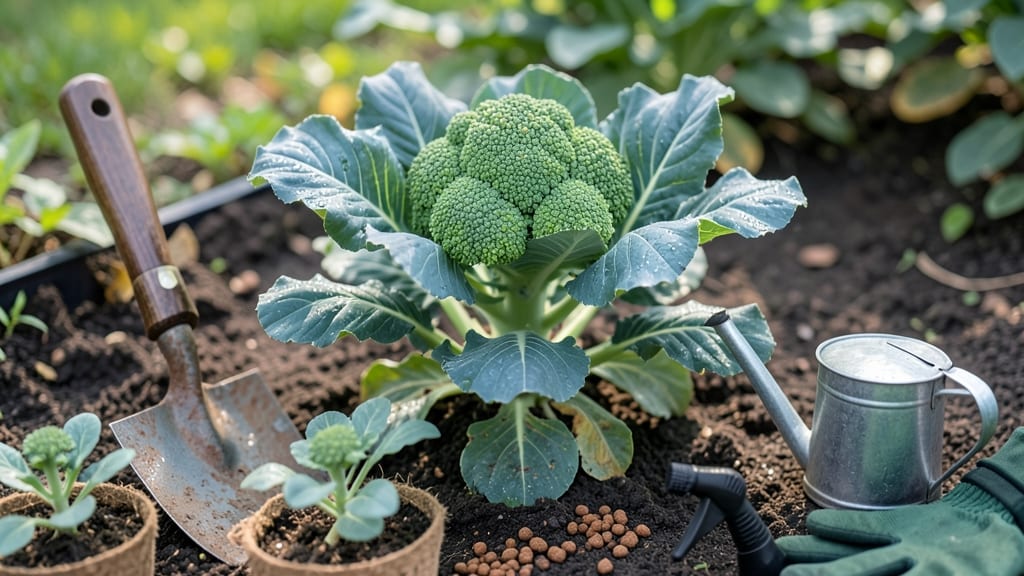
Planting broccoli in Zone 6b at the wrong time can turn your 🥦 dreams into bitter disappointment—too early and you risk frost damage, too late and your plants bolt before harvest.
The secret to a thriving garden lies in understanding your local climate quirks, like those tricky last frost dates that shift yearly.
I’ve learned the hard way that timing isn’t just about calendar months—it’s about soil temperature and microclimates.
In Zone 6b, where winters linger into April and summers creep in by August, knowing exactly when to sow seeds or transplant seedlings makes all the difference between a lush harvest and a sad, bolting disappointment.
Whether you’re aiming for a spring bounty or a fall feast, this guide breaks down the ideal planting windows—down to the week—so you can avoid common pitfalls like premature bolting or stunted growth. Let’s get your broccoli off to the right start.
From seed-starting dates to succession planting tips, I’ll walk you through every step to maximize your yield, no matter what Zone 6b throws your way. Ready to grow like a pro?
Optimal broccoli planting timeline in Zone 6b: exact weeks before last frost
In Zone 6b, where last frost dates typically arrive around April 15, timing your broccoli planting is critical. The sweet spot for spring planting is 4-6 weeks before that date—meaning you should sow seeds or transplant seedlings by mid-to-late March.
This window ensures your plants mature before summer’s heat triggers bolting, the process where broccoli flowers prematurely and becomes bitter.
For fall harvests, aim to plant 8-10 weeks before the first frost (around October 15), which translates to late August to early September. Fall-planted broccoli thrives in cooler temperatures and often produces sweeter, more tender heads. But rush it, and you risk stunted growth from early frosts.
Soil temperature is just as important as calendar dates. Broccoli seeds need soil that’s at least 40°F (4°C) to germinate, while seedlings prefer 55-75°F (13-24°C) for optimal growth.
In Zone 6b, soil warms up slowly in spring, so don’t hesitate to use row covers or cold frames to protect young plants.
Here’s the golden rule: Plant your first batch of seeds indoors 6-8 weeks before the last frost if you’re starting from scratch. Transplant seedlings outdoors 2-3 weeks before the last frost date, once soil temperatures stabilize.
This staggered approach gives you a head start on the growing season and maximizes your harvest potential.
| Stage | Action | Zone 6b Timeline | Soil Temp |
|---|---|---|---|
| Indoor Seed Starting | Sow seeds in trays | Late January - early February | 60-70°F (16-21°C) |
| Seedling Hardening | Acclimate seedlings | Late February - early March | 50-60°F (10-16°C) |
| Outdoor Transplant | Move seedlings to garden | Mid-to-late March | 55-75°F (13-24°C) |
| Succession Planting | Sow new seeds every 2 weeks | April - early May | 60-70°F (16-21°C) |
| Fall Transplant | Plant for fall harvest | Late August - early September | 60-70°F (16-21°C) |
Don’t overlook succession planting, a technique I swear by to extend my harvest. After your initial planting, sow new seeds every 2-3 weeks until mid-May. This ensures a steady supply of fresh broccoli as older plants bolt or mature.
In Zone 6b, where summers can be hot, succession planting also helps you avoid the heat stress that causes broccoli to bolt prematurely.
For fall harvests, focus on heat-tolerant varieties like ‘Waltham 29’ or ‘De Cicco,’ which handle late-summer heat better than standard types. Plant these 8-10 weeks before your first frost date, and use shade cloth if temperatures exceed 85°F (29°C).
This extra protection keeps plants cool and prevents bolting, ensuring a second harvest in autumn.
Microclimates in Zone 6b can shift planting windows by 1-2 weeks. If you’re in a warmer microclimate (like near a south-facing wall), you might push your spring planting back by a week.
Conversely, cooler spots (like shaded areas) may need an earlier start. Always monitor your local frost forecasts and adjust accordingly—your garden’s success depends on it.
Pro tip: Mark your last frost date on your calendar and count backward. For spring, aim to have seedlings ready 2-3 weeks before that date. For fall, start counting 10 weeks out from your first frost.
This simple math takes the guesswork out of timing and sets you up for a bountiful harvest.
Remember, broccoli is a cool-season crop, so it’s all about beating the heat. With the right timing, you’ll enjoy crisp, flavorful heads from late spring through fall. Now grab your seeds and let’s get growing!
Optimal broccoli planting timeline in Zone 6b: exact weeks before last frost
In Zone 6b, where last frost dates typically land around mid-April, broccoli thrives when planted at the right moment. For spring harvests, aim to sow seeds 4-6 weeks before your last frost, usually between late February and early March.
This timing ensures seedlings emerge when soil temperatures hover around 40-50°F, ideal for germination without frost risk.
Transplanting seedlings is even more critical—wait until soil warms to 45°F+ and nighttime temperatures stay above 35°F. In Zone 6b, this usually means mid-to-late March, giving plants enough time to mature before summer heat arrives. Miss this window, and you’ll face stunted growth or bolting.
Here’s the breakdown of your Zone 6b broccoli planting schedule, including soil temp requirements and frost-free timelines:
| Stage | Action | Zone 6b Timeline | Soil Temp |
|---|---|---|---|
| Direct Sowing | Plant seeds ¼" deep | Late February - Early March | 40-50°F |
| Seedlings Ready | Transplant 2-3" apart | Mid-to-Late March | 45°F+ |
| Harvest Window | Pick heads at 60-90 days | May - June | 50-75°F |
| Fall Planting | Sow seeds 8-10 weeks before first frost | Late August - Early September | 55-65°F |
For succession planting, sow new seeds every 2-3 weeks after your initial planting until mid-May. This staggered approach ensures a steady supply of fresh broccoli throughout the season. In Zone 6b, where summers can be hot, succession planting also helps avoid the heat-induced bolting that ruins harvests.
Pro tip: Use row covers or cold frames to extend your planting window into early April if frost lingers. This extra protection gives seedlings a head start in cooler soil. Just remove covers once true leaves appear to prevent overheating.
Remember, broccoli’s cool-weather preference means it’s a perfect fit for Zone 6b’s early spring and fall seasons. By following this timeline, you’ll avoid the heartbreak of bolting or frost damage—just like I did after my first (and only) failed attempt at summer broccoli! 🥦