
Plants
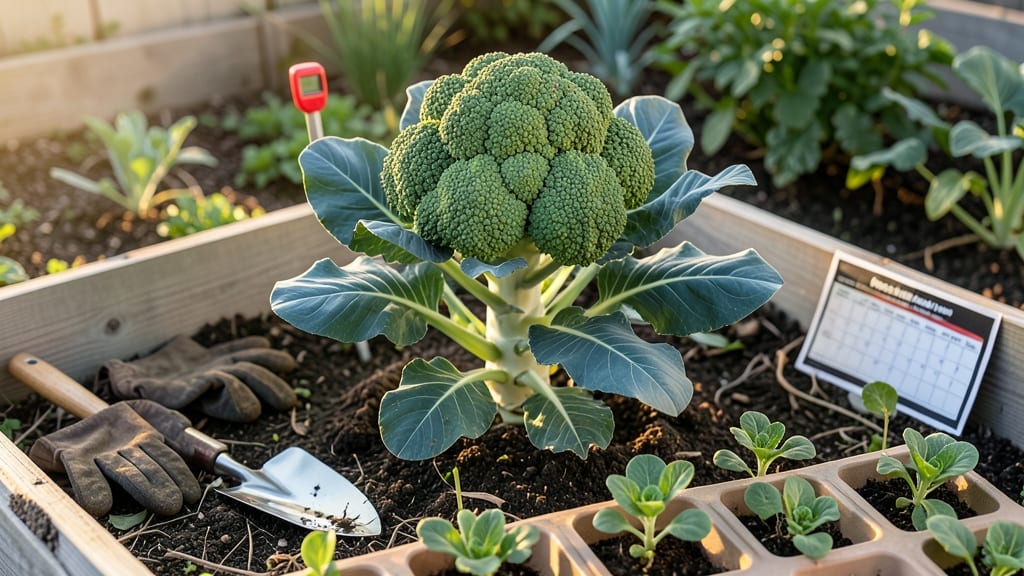
Timing is everything when you're growing 🥦 broccoli in Zone 7b—plant too early, and you risk bolting; too late, and your harvest shrinks.
The secret lies in knowing exactly when to sow seeds or transplant seedlings to align with your last frost date (March 15) and avoid summer's heat.
Most gardeners in Zone 7b focus on two key windows: early spring (February–March) and late summer (July–August). Spring planting gives you a May–June harvest, while fall crops deliver into November.
But here's the catch: broccoli hates heat, so summer transplants need to be in the ground 6–8 weeks before frost to mature before temperatures spike.
If you're new to growing 🥦 broccoli, don't worry—this guide breaks down the exact weeks to plant for your zone, plus cold-hardy varieties that thrive in 7b's 15–20°F winters. We'll also cover succession planting tricks to stretch your harvest and protect tender seedlings from late frosts.
Ready to grow broccoli that's sweeter, bigger, and more abundant than ever? Let's dive into the timing, varieties, and pro tips that make all the difference in your Zone 7b garden.
Best planting windows for broccoli in Zone 7b: fall vs. spring timing
In Zone 7b, where winters dip to 15-20°F, timing is everything for broccoli success. This cool-season crop thrives when temperatures stay between 60-75°F during the day and 50-60°F at night.
Plant too early, and your broccoli may bolt from heat; too late, and you’ll miss the 60-80 day harvest window before frost. Let’s break down the perfect windows for both spring and fall planting.
For spring planting, aim to sow seeds or transplant seedlings 4-6 weeks before your last frost date—typically February to early March in Zone 7b. This gives plants enough time to mature before summer heat sets in.
Fall planting offers a second harvest opportunity, with ideal transplanting dates between July 15 and August 15 for a late-season crop.
Here’s how these planting windows compare, including frost dates and variety recommendations:
Spring planting in Zone 7b requires patience—start seeds indoors 6-8 weeks before last frost (around January 15) if you’re eager for an early harvest. Harden off seedlings for 7-10 days before transplanting into garden beds with 18-inch spacing.
For fall, prioritize cold-hardy varieties like 'De Cicco,' which can withstand light frosts and even improve flavor after a 20°F touch.
Pro tip: Use a soil thermometer to ensure soil temps are 40°F+ before planting. Cool soil slows germination, so wait for consistent warmth. In Zone 7b, this usually aligns with mid-March for spring and late July for fall.
If you’re new to broccoli in Zone 7b, avoid the common mistake of planting too early in spring. Seedlings transplanted in January often bolt by May when temperatures rise. Instead, time your planting to coincide with cool evenings—aim for 50-60°F nighttime temps for optimal growth.
For a continuous harvest, stagger plantings every 2-3 weeks from February through August. This succession planting strategy ensures you’re always harvesting fresh broccoli, whether it’s spring’s 'Waltham 29' or fall’s 'Belstar.' Just remember: broccoli hates heat, so avoid planting after June 15 in Zone 7b.
One final tip: Mulch heavily around plants with straw or leaves to protect roots during Zone 7b’s unpredictable winters. A thick layer (3-4 inches) insulates soil and prevents temperature fluctuations that can stress broccoli.
With these timing guidelines, you’ll enjoy crisp, flavorful broccoli heads from spring through fall—no bitter surprises here! 🥦
Top 5 cold-hardy broccoli varieties for Zone 7b gardens
Zone 7b’s 15-20°F winters can challenge broccoli growers, but the right varieties thrive even when temperatures dip. The key is selecting cold-hardy cultivars that tolerate light frosts and extend your harvest window.
Whether you’re aiming for spring’s first crop or fall’s last, these top 5 varieties are your best bets for Zone 7b gardens.
For early spring planting, 'Waltham 29' is a classic choice—it matures in 60-70 days and handles 28°F without bolting. This blue-green variety produces large, tight heads perfect for fresh eating or freezing.
Pair it with 'Calabrese', an Italian heirloom that tolerates 30°F and delivers 2-3 lb heads over 70 days.
Fall planting in Zone 7b calls for 'De Cicco', a broccoli-raab hybrid that thrives in cooler temps and actually improves in flavor after a light frost. Its 50-day maturity makes it ideal for late summer sowings, and it tolerates 20°F with minimal protection.
For a disease-resistant option, try 'Belstar', which resists blackleg and downy mildew—common issues in Zone 7b’s humid summers.
If you’re experimenting with succession planting, 'Packman' is a hybrid workhorse that produces multiple side shoots after harvest. Its 25°F tolerance and 60-day maturity make it perfect for August sowings, while 'Blue Wind' offers a unique purple-sprouting option that handles 15°F with row covers.
This variety is ideal for microgreens or continuous harvests.
Pro tip: When selecting seeds, look for open-pollinated varieties if you plan to save seeds year-to-year. 'Waltham 29' and 'De Cicco' are both excellent choices, while 'Calabrese' is a hybrid with superior yield.
Always check seed packets for days to maturity and adjust your planting timeline accordingly—Zone 7b’s 190 frost-free days demand precise timing.
For maximum success, pair your variety choice with proper spacing—broccoli needs 18-24 inches between plants to avoid competition. In Zone 7b, this means thinning seedlings early to prevent overcrowding, which can stress plants and reduce head size.
With the right variety and care, you’ll enjoy crisp, flavorful broccoli from spring through fall—no bitter surprises! 🌱