
Plants
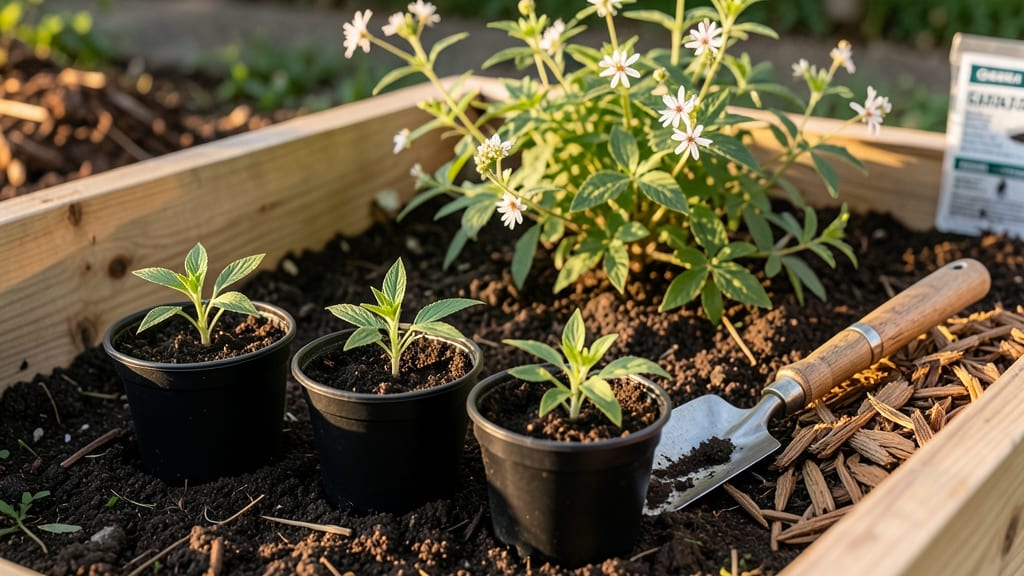
Planting buckwheat in Georgia at the wrong time can mean the difference between a thriving cover crop and a struggling one—especially with our humid subtropical climate.
The key window to plant 🌾 buckwheat is narrow: late March to early April for spring or August to early September for fall, when soil temperatures hit that sweet spot for germination.
Why does timing matter so much? Buckwheat hates heat stress, and planting too early risks frost damage, while waiting too long means missing the 60-80 day harvest window before Georgia’s summer heat peaks.
I’ll break down the exact frost-free dates, soil temperature secrets, and regional adjustments so you can avoid common mistakes Georgia gardeners make.
Whether you’re using buckwheat as a cover crop, grain, or forage, getting the timing right is the most important step.
We’ll cover how to test soil warmth without a thermometer and when to adjust for Georgia’s black soil vs. sandy loam—so you can plant with confidence and watch your buckwheat thrive.
Ready to master the perfect planting window? Let’s dive into the details so you can grow buckwheat like a pro, no matter where you are in the state.
Georgia’s ideal buckwheat planting window by month (frost-free guide)
Buckwheat thrives in Georgia’s humid subtropical climate, but planting at the wrong time can lead to poor germination or heat stress. The optimal window spans late March through early April for spring plantings and August through early September for fall.
These dates align with Georgia’s USDA zones 7b-8b, where frost-free periods average 215 days.
For northern Georgia (e.g., Atlanta), aim for April 1-15 to avoid late frosts, while southern regions (e.g., Savannah) can start as early as March 15. Fall plantings should wrap up by September 10 to ensure seeds mature before the first frost (November 15).
Missed the spring window? Don’t panic—buckwheat’s heat tolerance allows for summer plantings in June or July, though yields may be smaller. Just ensure soil stays moist during Georgia’s scorching summer heat.
| Region | Spring Planting Window | Fall Planting Window | Key Consideration |
|---|---|---|---|
| Northern GA (Atlanta) | April 1–15 | August 20–September 5 | Later frosts risk |
| Central GA (Macon) | March 25–April 10 | August 10–September 10 | Balanced climate |
| Southern GA (Savannah) | March 15–April 1 | August 5–September 1 | Earlier frost-free dates |
| Summer Planting (Anywhere) | June 1–July 15 | N/A | Smaller yields; prioritize irrigation |
🌱 Pro Tip: Use a frost calendar for your county (e.g., Almanac’s Georgia Frost Dates) for precision.
Buckwheat’s fast growth cycle (50–80 days) makes it ideal for cover cropping or grain production. Spring plantings yield June–July harvests, while fall plantings produce October–November seeds. For forage, plant in late summer to feed livestock before winter.
In humid Georgia, buckwheat benefits from well-drained soil to prevent root rot. Avoid planting in waterlogged areas or after heavy rains, which can delay germination. Instead, choose sandy loam or black soil common in Georgia’s Piedmont region.
For organic gardeners, buckwheat’s nitrogen-fixing roots improve soil health. Plant it after heavy feeders like corn or tomatoes to replenish nutrients. In urban gardens, use it as a living mulch to suppress weeds and retain moisture.
Need a quick reference? Bookmark these key dates: - Spring: March 15–April 15 (North to South) - Fall: August 5–September 10 - Summer (backup): June 1–July 15 (with extra water) 🌾
Soil temperature secrets: when Georgia’s ground is Really Ready for Buckwheat
Buckwheat thrives when Georgia’s soil hits the 50–65°F sweet spot for germination. Too cold, and seeds linger; too hot, and they bolt prematurely. In North Georgia (USDA 7b), wait until mid-April when daytime temps stabilize above 60°F.
Southern regions (USDA 8b) can plant as early as late March, but verify with a soil thermometer—55°F is the minimum for reliable sprouting.
Georgia’s black soil (common in the Piedmont) warms faster than sandy loam (coastal areas), so adjust timing accordingly. A simple trick: Press your hand into the soil—if it feels warm but not hot (like a fresh cup of tea), it’s ready.
For sandy soils, wait an extra week to avoid drying out seeds too quickly.
🌱 Soil Temp Checklist for Georgia Buckwheat
- 🌡️ 50°F+: Minimum for germination (use a thermometer at 2" depth)
- 🌡️ 55–60°F: Ideal range for even sprouting (test with hand)
- 🌡️ 65°F+: Risk of bolting—plant in partial shade if temps spike
- 🌱 Black soil: Warms 3–5 days faster than sandy loam
- ☀️ 3+ sunny days: Needed to raise soil temp before planting
Cool springs? Don’t rush—buckwheat seeds can rot in cold, soggy soil. If your area experiences late frosts (like North Georgia’s Appalachian foothills), opt for cover crops like winter rye first, then transition to buckwheat after May 1.
For fall plantings, aim for August 15–September 1 when soil temps drop below 75°F—this prevents heat stress before frost.
Pro tip: Mix buckwheat seeds with compost or peat moss to insulate them from temperature swings. This buffer helps in Georgia’s unpredictable microclimates, like the Okefenokee Swamp’s humidity or Atlanta’s urban heat islands. Always plant after a rainy spell to ensure moisture retention during germination.
Watch for soil crusting in heavy clay areas—this traps heat and can scorch seeds. Lightly rake or mulch with straw to maintain even moisture and temperature. In coastal Georgia, where humidity lingers, plant in mornings or late afternoons to reduce fungal risks from trapped heat.
Remember: Buckwheat’s fast growth (60–80 days) means you have a narrow window to act. Once soil hits 70°F+, switch to shade cloth or delay planting until fall. Use a moisture meter to confirm soil readiness—40% moisture at planting depth is ideal.
🌾 Key takeaway: Georgia’s soil temperature is your best friend—check it, don’t guess it. A 5-minute soil check now saves weeks of frustration later.