
Plants
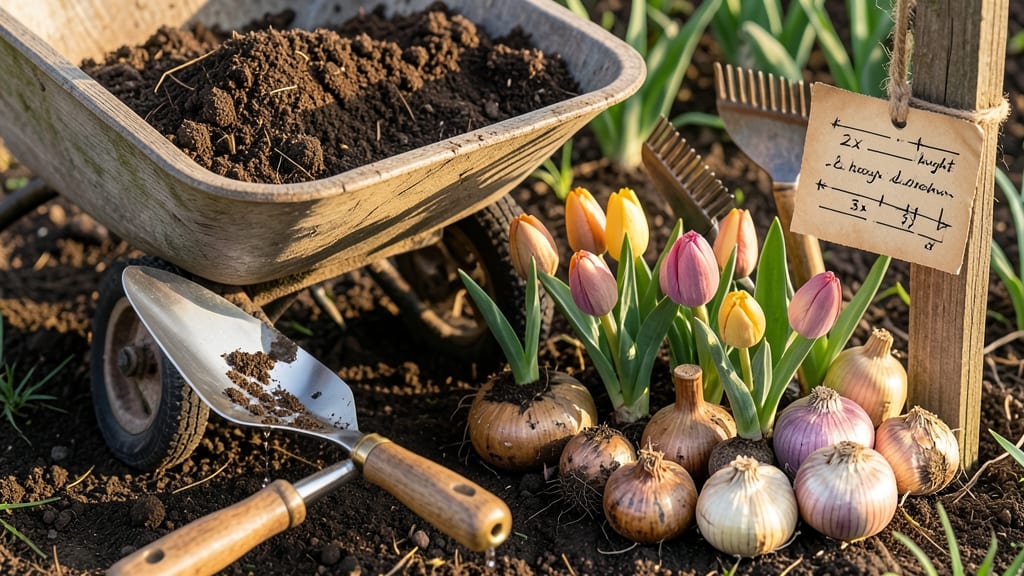
Planting bulbs in the fall isn't just about tossing them into the ground—it's all about timing to ensure those perfect spring blooms you dream of. Miss the window, and you might end up with weak sprouts or worse, no flowers at all.
The key lies in understanding your local frost dates and working backward from there.
In USDA Zone 6a, where many gardeners live, the ideal time to plant your 🌱 bulbs (General) is between 6-8 weeks before the first frost hits. For most areas, that means getting them in the ground by late September or early October.
But don’t panic if you’re not sure—this guide will help you pinpoint the exact moment for your region.
You might think planting earlier is better, but that’s a common misconception. Too soon, and your bulbs won’t have enough time to establish roots before winter sets in.
The goal is to give them just enough time to grow strong roots while still benefiting from the chill of fall and winter. Let’s break down how to nail this timing every time.
Whether you’re a beginner or a seasoned gardener, mastering the 6-week pre-frost rule will transform your spring garden. You’ll learn which bulbs need extra care, how to prep your soil, and even how to adjust for early or late frosts. Ready to set the stage for next year’s showstopping blooms?
The 6-Week pre-frost rule: exact timing for fall bulb planting
Fall bulb planting follows a simple but critical rule: plant 6 weeks before your first frost date. This window gives bulbs like tulips and daffodils time to establish roots before winter dormancy.
Why? Because roots need 4-6 weeks of cool soil (40-50°F) to anchor before freezing temperatures hit. Plant too early, and roots may rot; too late, and bulbs won’t bloom next spring.
Your last frost date is the key number to know. For example, in USDA Zone 5 (like Chicago), with a first frost around October 15, aim to plant bulbs by September 1.
In warmer Zone 9 (like Los Angeles), where frost arrives in December, you’ve got until late October. Use the USDA Plant Hardiness Zone Map to find your exact date.
Pro tip: Check your local extension office’s frost predictions—they often update dates based on weather patterns. For instance, Alaska’s Zone 3 gardeners should plant by mid-August, while Florida’s Zone 10 can wait until November.
The rule adjusts based on your climate’s soil temperature trends, not just calendar dates.
Here’s the science: Bulbs need 40-50°F soil for root growth. If you plant when soil temps drop below 50°F, roots stall. Use a soil thermometer ($10 at garden centers) to test depth. Most bulbs thrive when soil stays above 50°F for 6+ weeks before frost.
Adjust for early or late frosts. If your area had an unusually early frost last year, plant 2 weeks earlier than usual. Conversely, if your fall was warmer than average, extend your window by 1-2 weeks.
For example, Zone 6 gardeners might push planting to October 15 if temps stay mild.
Don’t stress about calendar months—focus on soil conditions. If your soil is still warm from summer (above 60°F), wait. Bulbs like crocuses (hardy to Zone 3) can handle cooler soil, but tulips (Zone 4+) need that 6-week window.
Test soil depth with your finger: if it’s cooler than your wrist, it’s ready.
Remember: Bulbs planted in containers follow the same rule but require well-draining mix. Use a fast-draining potting blend with perlite to prevent rot. For potted bulbs, move containers to a garage or cold frame once soil temps drop below 50°F to mimic outdoor conditions.
Finally, late fall plantings can still work if you use mulch heavily. Add 4-6 inches of straw or leaves after planting to insulate soil. This buys 2-3 extra weeks in Zones 5-7, letting you plant daffodils or alliums as late as November 1 in some areas.
Next spring, your timely planting will reward you with bold, healthy blooms—proof that a little patience in fall pays off in vibrant color. 🌱
The 6-Week pre-frost rule: exact timing for fall bulb planting
Understanding the 6-week pre-frost rule is the secret to successful fall bulb planting. This isn't just a random number—it's based on how long bulbs need to establish strong roots before winter dormancy.
If planted too early, they may sprout too soon and get damaged by frost. If planted too late, they won't have time to root before the ground freezes.
For most gardeners in USDA Zones 3-10, this means getting your bulbs in the ground between mid-September and early November. But the exact timing varies by region.
The key is to plant when your soil temperature hovers around 60°F (15°C)—warm enough for root growth but cool enough to prevent premature sprouting.
To find your perfect planting window, start by checking your average first frost date. Most areas experience their first frost between October 15 and November 15.
Count backward 6 weeks from that date to determine when to plant. For example, if your first frost is November 15, aim to plant by October 1.
| USDA Zone | First Frost Date | Ideal Planting Window | Soil Temp Goal |
|---|---|---|---|
| 3-4 | Mid-September | Late August to early September | 50-60°F (10-15°C) |
| 5-6 | Mid-October | Mid-September to mid-October | 55-65°F (13-18°C) |
| 7-8 | Late October | Late September to early November | 60-70°F (15-21°C) |
| 9-10 | Early November | October to early November | 65-75°F (18-24°C) |
If you're unsure about your frost dates, use the USDA Plant Hardiness Zone Map to find your zone, then check local weather records or ask at your local nursery. Many nurseries even sell bulbs with planting charts that include regional frost dates.
For example, tulips and daffodils are more forgiving if planted slightly late, while hyacinths and crocuses prefer earlier planting.
Adjust your timing if your area experiences early or late frosts. In regions with unpredictable weather, err on the side of planting a little earlier. For instance, if your area has a history of early frosts, start planting by mid-September to give bulbs extra time to root.
Conversely, in warmer zones, you might still find success planting as late as early December, but expect smaller blooms.
Pro tip: Use a soil thermometer to check temperatures if you're unsure. Plant when the soil is consistently around 60°F (15°C) during the day. This ensures your bulbs get the perfect head start without risking premature sprouting.
With this rule in mind, you'll be well on your way to a stunning spring display!