
Plants
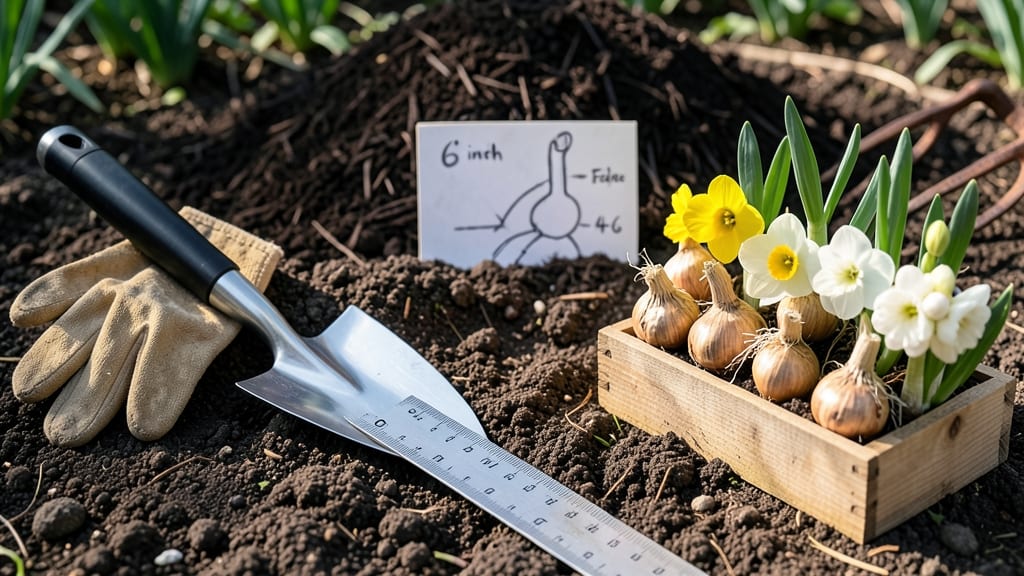
Planting daffodils in Minnesota isn't just about timing—it's about outsmarting the frost before it outsmarts you. The right window between September and October gives these cold-hardy blooms the perfect head start, ensuring vibrant 🌼 displays by next spring.
Here's the secret: Minnesota's USDA zones 3-5 demand precision. Plant too early, and your bulbs may rot; too late, and they won't root before winter sets in. I'll show you exactly how to nail that sweet spot between 4-6 weeks before freeze—when soil temps hit that ideal sweet spot.
Why does this matter? Because daffodils planted at the perfect moment don't just survive Minnesota winters—they thrive. We're talking zero-frost success, reliable blooms year after year, and bulbs that multiply naturally in your garden soil.
Let's break down the exact months, soil prep tricks, and cold-hardy varieties that make all the difference in Minnesota's unpredictable climate. Your spring garden will thank you.
Best planting months for daffodils in Minnesota’s climate zones
Minnesota’s USDA zones 3–5 demand precision when planting daffodil bulbs. The ideal window is 4–6 weeks before ground freezes, typically mid-September to early October. This timing ensures bulbs root before winter while avoiding spring blooms that frost can damage.
Northern Minnesota (zone 3) has the tightest window, while southern areas (zone 5) offer flexibility until late October.
Soil temperature is your best guide. Aim for 40–50°F—when soil cools below 50°F, roots struggle to establish. Check local frost dates: Northern MN freezes by mid-October, while southern MN may wait until early November. Use a soil thermometer for accuracy, especially in unpredictable years.
Moisture matters too. Plant when rainfall averages 1–2 inches weekly—this keeps soil workable. If drought hits, water deeply after planting to encourage root growth. Overwatering? That’s just as bad—soggy soil leads to rot. Aim for well-draining soil with 2–3 inches of compost mixed in to improve texture.
Here’s how Minnesota’s zones break down for daffodil planting, including soil conditions and frost risks:
| Zone | Ideal Planting Window | Soil Temp Target | Frost Risk | Pro Tip |
|---|---|---|---|---|
| 3 (North) | Mid-Sept to Oct 1 | 40–50°F | High (freezes by Oct 15) | Use mulch (3–4") after planting |
| 4 (Central) | Sept 20–Oct 15 | 45–55°F | Moderate (freezes by Oct 30) | Plant deeper (8") for extra protection |
| 5 (South) | Oct 1–Nov 1 | 50–60°F | Low (freezes after Nov 15) | Add bone meal to soil for root boost |
For zone 3 gardeners, don’t wait past October 1—bulbs need 6–8 weeks to root before winter. In zone 5, you can stretch until early November, but avoid planting after November 10, when soil temps drop below 40°F.
Pro tip: Test soil moisture before planting—it should feel like a wrung-out sponge.
Adjust for early/late winters. Check the National Weather Service for 30-day forecasts in August. If an early freeze is predicted, plant 2 weeks sooner.
Conversely, if winters run late, extend planting until mid-November in zone 5. Dwarf varieties (like 'Tête-à-Tête') handle late planting better than tall types.
Depth is critical. Plant bulbs 6–8 inches deep in well-draining soil—deeper in sandy soil, shallower in clay. Use a bulb planter for precision. Mark planting spots with flags to avoid disturbing roots later. In rocky soil, amend with compost or peat moss to prevent bulb damage.
Post-planting, mulch heavily (4–6 inches of straw or leaves) to insulate bulbs. This prevents frost heave and keeps soil temps stable. In urban areas, where soil warms faster, plant shaded bulbs (under trees) to mimic natural forest conditions.
Avoid planting near walnut trees—their roots release juglone, which stunts daffodils.
Expect blooms 3–4 months after planting, typically April–May. Early bloomers like 'January Gold' may peek through snow, while late varieties like 'Ice Follies' shine in May. Deadhead spent blooms but leave leaves until they yellow—this fuels next year’s flowers.
Minnesota’s short growing season makes fall planting non-negotiable. With the right timing and cold-hardy varieties, your daffodils will outlast frost and reward you with vibrant spring color year after year. 🌼
Best planting months for daffodils in Minnesota’s climate zones
Minnesota’s USDA zones 3–5 demand precise timing for daffodil planting. The ideal window is 4–6 weeks before ground freezes, typically mid-September to early October. This ensures bulbs establish roots before winter dormancy.
In northern Minnesota (zone 3), aim for late August to mid-September—earlier than southern regions to avoid early frost.
Soil temperature is critical: daffodil bulbs thrive when soil cools to 50–60°F. Use a soil thermometer to monitor—plant when temps consistently drop below 60°F.
In southern Minnesota (zone 5), this often aligns with late September to October, while central Minnesota (zone 4) falls in early to mid-September.
Moisture matters too. Plant in well-draining soil with moderate moisture—not soggy. A light rain before planting helps settle bulbs, but avoid waterlogged conditions. Drought stress weakens roots, making bulbs vulnerable to winter freeze-thaw cycles.
| Zone | Best Planting Window | Soil Temp Goal | Key Tip |
|---|---|---|---|
| 3 (Northern MN) | Late August–Mid-September | 50–60°F | Plant early to avoid early frost |
| 4 (Central MN) | Early–Mid-September | 50–60°F | Aim for 6 weeks before first frost |
| 5 (Southern MN) | Late September–Early October | 50–60°F | Later planting works due to milder winters |
Adjust for early/late winters. Check your local frost date average (e.g., October 1 in most of MN) and plant 6 weeks prior.
For example, if frost arrives October 15, plant by September 1. Late-freeze years may push planting to November, but bulbs need root establishment before soil freezes.
Planting depth is non-negotiable: 6–8 inches deep for standard daffodils, 4–6 inches for dwarf varieties. Deeper planting in sandy soil (add 1–2 inches) prevents frost heave. Mulch with 3–4 inches of straw or leaves after planting to insulate bulbs and retain moisture through winter.
Missed the window? November planting is risky but possible if soil isn’t frozen. Use a soil warming mat or plant in protected microclimates (e.g., near south-facing walls). Just know: blooms may be delayed or smaller the following spring.