
Plants
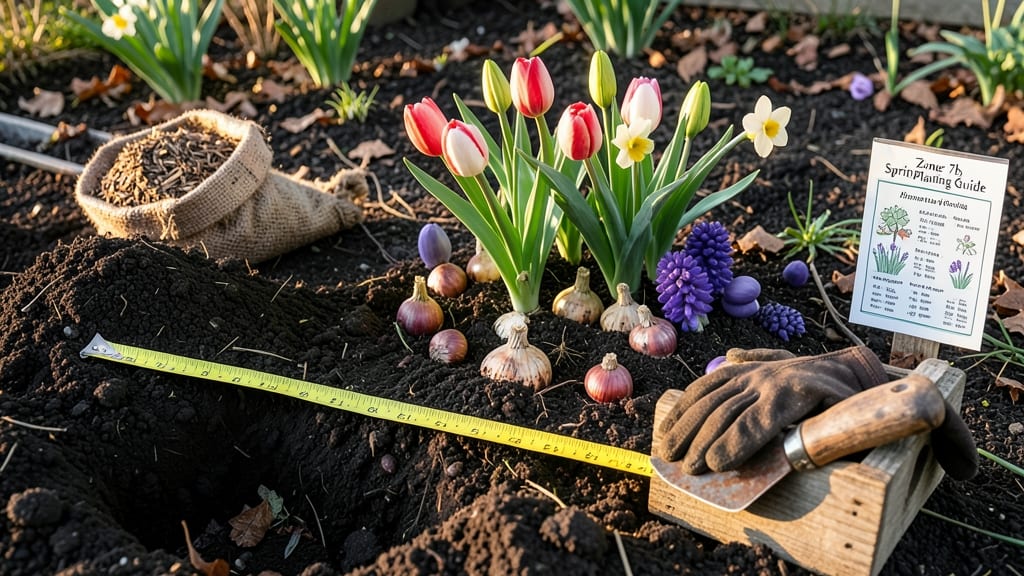
Planting bulbs in Zone 7b at the wrong time means missing out on those vibrant spring blooms you’ve been dreaming of—because timing isn’t just about the calendar, it’s about chill hours. Too early, and your 🌷 bulbs rot before winter; too late, and they won’t get enough cold to bloom.
But here’s the good news: with the right strategy, you can nail it every time.
Most gardeners in Zone 7b focus on fall planting, but the truth is, some bulbs thrive when planted in early spring too. The key lies in understanding chill-hour needs—whether your tulips need 30+ hours of cold or your daffodils can handle just 15-20.
I’ll break down the exact windows so you never guess again.
Let’s start with the fall planting window—the sweet spot between October and November—where soil is cool but not frozen. But what if you missed that? Don’t worry, I’ll cover spring planting too, plus how to adjust for microclimates or bulbs that break the rules.
By the end, you’ll know exactly when to plant every type of bulb in your Zone 7b garden, from low-chill varieties that bloom reliably to high-need tulips that need a little extra help. Ready to set your garden up for next year’s showstopper blooms?
Zone 7B bulb planting timeline by chill-hour requirements
Understanding chill-hour needs is the secret to successful bulb planting in Zone 7b. Most bulbs need 0-30 chill hours to bloom, but some high-need varieties like tulips require 30+ hours.
The good news? Zone 7b’s moderate winters (avg. 25-35°F) provide enough cold for most bulbs—if you plant at the right time.
Fall planting is ideal for spring-blooming bulbs like daffodils and crocus, but summer-blooming bulbs (e.g., dahlias) go in early spring. The key is planting 6-8 weeks before ground freezes (typically October-November in Zone 7b) or 4-6 weeks before last frost (early spring).
Let’s break it down by chill-hour categories so you never miss a bloom.
Zone 7B Bulb Planting Guide by Chill-Hour Needs
| Chill-Hour Range | Best Planting Window | Zone 7B Months | Examples | Notes |
|---|---|---|---|---|
| 0-15 hours | Fall or Early Spring | October-November or February | Daffodils, Paperwhites, Rain Lilies | Plant in well-draining soil; shallow depth (4-6 inches). |
| 15-30 hours | Late Fall (Before Frost) | October-November | Tulips, Hyacinths, Alliums | Avoid soggy soil; mulch after planting. |
| 30+ hours | Early Fall (September-October) | September-October | Fritillaria, Some Tulip Varieties | May need vernalization (see next section). |
For 0-15 chill-hour bulbs, Zone 7b’s mild winters mean you can plant as late as November or even early spring (February). These low-chill varieties like daffodils and paperwhites are forgiving and bloom reliably. Just ensure soil temps are below 60°F to prevent rot—use a soil thermometer if unsure.
Bulbs needing 15-30 chill hours (like tulips) thrive when planted in late October. This gives them enough time to root before winter sets in. If you’re in a warmer microclimate (e.g., near a heat-retaining wall), plant earlier (September) to avoid premature sprouting.
High-chill bulbs (30+ hours) are trickier in Zone 7b. While some tulips and fritillaries may get enough cold, others might need a head start.
Plant these in September and consider vernalization (pre-chilling in a fridge) for extra insurance. I’ll cover this in more detail in the next section.
Pro tip: Use a planting calendar to track your local frost dates. In Zone 7b, the first frost typically hits around October 15, so aim to plant 6-8 weeks before that date. For spring planting (e.g., dahlias), wait until soil warms to 60°F—usually mid-February.
Don’t forget: Depth matters. Plant bulbs 2-3 times their height deep (e.g., a 2-inch tulip bulb goes 4-6 inches deep). This protects them from temperature swings and rodents. Add a layer of gravel at the bottom of the hole for extra drainage in heavy clay soils.
Finally, mulch after planting to insulate bulbs through winter. Use 2-3 inches of straw or shredded leaves—just avoid piling it directly against the bulbs to prevent rot. With this timeline, your Zone 7b garden will burst into colorful blooms year after year.
Best low-chill bulbs for Zone 7B: no-fail varieties that thrive with minimal cold
If you’ve ever struggled with high-chill bulbs in Zone 7b, you’ll love these low-chill varieties that bloom reliably with just 0-15 chill hours. These bulbs are perfect for gardeners who want colorful spring blooms without the fuss of vernalization or microclimate tweaks.
My top picks include daffodils, paperwhites, and rain lilies, all of which thrive in Zone 7b’s mild winters.
One of my favorites is the Jonquil daffodil, which blooms early and tolerates partial shade. Plant these 4-6 inches deep in well-draining soil—they hate soggy roots. Another winner is the Paperwhite narcissus, which grows beautifully in containers and even indoors.
These bulbs need minimal care but pack a punch with their fragrant white blooms.
Top Low-Chill Bulbs for Zone 7B
-
🌱 Jonquil Daffodil
Chill: 0-10 hrs | Depth: 4-6" | Spacing: 4-6" -
🌿 Paperwhite Narcissus
Chill: 0-5 hrs | Depth: 2-3" | Spacing: 3-4" -
🌷 Rain Lily (Zephyranthes)
Chill: 0-10 hrs | Depth: 2-3" | Spacing: 3" -
🌼 Snowdrop (Galanthus)
Chill: 0-15 hrs | Depth: 3-4" | Spacing: 3-4" -
🪴 Crocus (Spring-Blooming)
Chill: 5-15 hrs | Depth: 3-4" | Spacing: 3"
For rain lilies, timing is flexible—they bloom after rain and handle late fall or early spring planting. Plant them 2-3 inches deep in sandy soil for best results. Snowdrops are another no-fail bulb that blooms early, often pushing through snow.
They’re perfect for woodland gardens or under deciduous trees.
When planting these bulbs, focus on well-draining soil and proper spacing. Most low-chill bulbs need 3-6 inches of space between them to prevent overcrowding. If your soil is heavy clay, mix in compost or sand to improve drainage.
Avoid planting in waterlogged areas, as even low-chill bulbs can rot if their roots stay too wet.
One of my pro tips for Zone 7b gardeners: Use mulch after planting to protect bulbs from temperature swings. A 2-inch layer of straw keeps roots insulated without suffocating the bulbs. For container-grown bulbs like paperwhites, ensure pots have drainage holes and use a lightweight potting mix.
With these low-chill varieties, you’ll enjoy reliable blooms year after year, even in Zone 7b’s mild winters. Plant them in fall (October-November) or early spring (February) for the best results. Your garden will thank you with vibrant color from early spring through summer!