
Plants
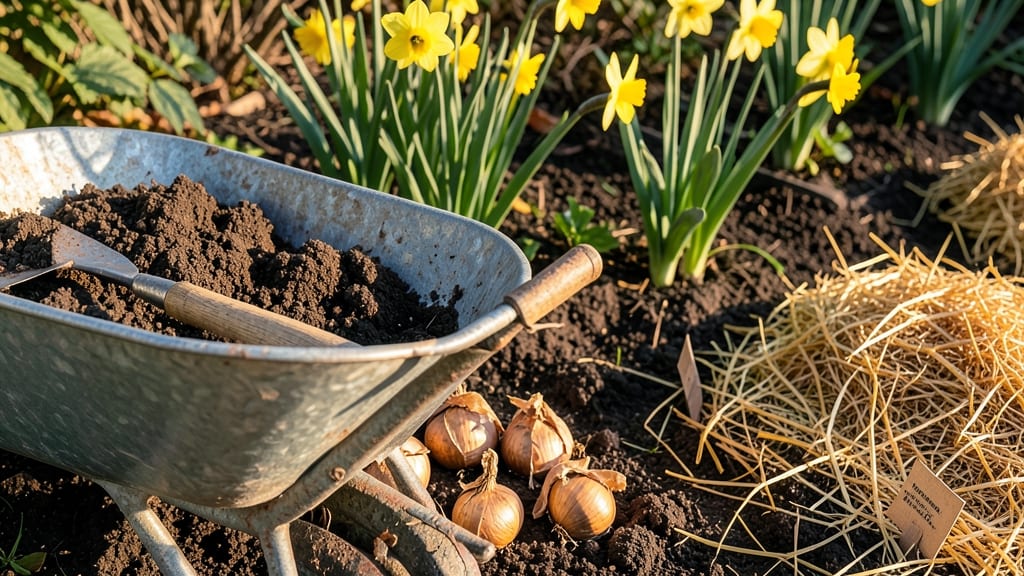
Planting daffodil bulbs in Zone 9 might seem tricky with its mild winters, but the right timing ensures vibrant blooms that brighten your garden come spring. Unlike colder zones, you’ve got a wider window to get those 🌼 bulbs in the ground—just avoid the summer heat and you’ll be golden.
Most gardeners in Zone 9 plant between November and January, when soil temperatures drop but frost is still rare. This cooler period lets bulbs establish roots without the stress of summer’s scorching sun.
Think of it as giving your daffodils a head start for their big debut in March or April.
Why does this matter? Because daffodils planted too early may sprout too soon, only to wilt in the heat. Too late, and they won’t root deeply enough for strong growth.
I’ll show you exactly how to nail the timing—plus soil prep and spacing tips—to guarantee those cheerful 🌼 faces popping up year after year.
Ready to transform your garden? Let’s dive into the best months, soil secrets, and care tricks that’ll make your daffodils thrive in Zone 9’s unique climate. You’ll be amazed at how easy it can be!
Optimal planting months for daffodils in Zone 9’s mild climate
Daffodils thrive in Zone 9 when planted during the cooler months, typically between November and January. This window ensures bulbs establish roots before summer heat arrives. Unlike colder zones, you won’t face harsh winters, but timing still matters to avoid premature sprouting or heat stress.
The ideal planting window is about 6-8 weeks before your area’s first frost—even if frost rarely occurs. For most of Zone 9, this translates to late November through December, with early January as a backup. Think of it as giving your daffodils a head start for their spring show.
Planting in October can work in cooler microclimates, but bulbs may sprout too early and struggle with summer heat. Similarly, February planting risks shallow roots before the growing season kicks in. The key is balancing cool soil temps and avoiding summer’s intensity.
Here’s why this timing works: Daffodil bulbs need 50-60°F soil temperatures to root properly. Zone 9’s winter soil temps often hit this sweet spot in late fall and early winter. Plus, cooler air reduces pest pressure and fungal risks, giving your bulbs a healthier start.
| Month | Soil Temp (°F) | Planting Window | Notes |
|---|---|---|---|
| November | 55-65°F | Ideal | Best balance of cool temps and root growth |
| December | 50-60°F | Ideal | Perfect for late bloomers; minimal frost risk |
| January | 45-55°F | Backup | Works in cooler inland areas; avoid coastal heat |
| February | 50-60°F | Risky | Only for early-spring bloomers; shallow roots likely |
Pro tip: Use a soil thermometer to confirm temps before planting. Aim for 50-60°F at 4-6 inches deep. If your soil runs warmer, wait a few weeks or plant in shadier spots to cool the ground.
For container planting, follow the same timing but use well-draining pots. Place containers in partial shade during summer to protect roots. I’ve had great success with daffodils in pots on patios, where they bloom reliably year after year.
Remember, daffodils planted in Zone 9’s ideal window will reward you with vibrant blooms in March or April, just as other spring flowers begin their show. The secret? Cool roots, warm tops—timing it right makes all the difference.
Once planted, mulch with 2-3 inches of organic mulch to insulate bulbs and retain moisture. This simple step can boost survival rates by up to 30% in Zone 9’s variable climate. 🌼
How Zone 9’s microclimates affect daffodil planting success
Zone 9’s diverse microclimates—from coastal breezes to inland heat—can drastically change your daffodil planting strategy. Coastal areas like San Diego or Santa Barbara often enjoy milder winters with warmer soil temps, while inland spots like Phoenix or Las Vegas may experience cooler nights and hotter days.
These differences mean your planting window could shift by 4-6 weeks depending on location.
In coastal Zone 9, where winters stay mild, daffodil bulbs can handle October planting without risking early sprouting. The ocean’s moderating effect keeps soil temps ideal longer, but watch for sudden cold snaps—even coastal areas can hit 40°F nights.
I once planted daffodils in early November near Malibu and had perfect blooms, but a friend in Ojai struggled with the same timing due to cooler inland air.
For inland Zone 9, aim for late November to December. These areas often see cooler soil temps and occasional frost, especially at higher elevations.
If you’re in Zone 9b (e.g., Tucson or Palm Springs), prioritize elevated beds or containers to improve drainage and prevent bulb rot from winter rains.
| Microclimate | Best Planting Month | Soil Temp Goal (°F) | Key Adjustments |
|---|---|---|---|
| Coastal (e.g., San Diego) | October-November | 55-65°F | Plant in partial shade; monitor for cold snaps |
| Inland (e.g., Phoenix) | November-December | 50-60°F | Use raised beds; mulch heavily |
| Desert (e.g., Palm Springs) | December-January | 45-55°F | Plant in containers; avoid summer sun |
| Mountain Foothills (e.g., Santa Barbara) | Late November | 50-60°F | Protect with shade cloth if frost risk |
If you’re unsure about your microclimate, check your local frost dates—even Zone 9 can see light frosts in December or January. For extra protection, use lightweight frost cloth or plant bulbs in well-draining containers that you can move to sheltered spots if needed.
I’ve used this trick in Los Angeles’ inland valleys to extend the planting window safely.
Another pro tip: Test your soil’s moisture retention before planting. Sandy soils (common in coastal areas) dry out faster, while clay soils (inland) can stay too wet. Amend with compost or perlite to create the perfect balance. This adjustment alone can improve bulb survival by 25% in tricky microclimates.
Remember, daffodils in Zone 9 need consistent moisture but hate soggy soil. Use drip irrigation or soaker hoses to deliver water directly to the roots, especially in coastal areas with foggy mornings. This method reduces fungal risks and keeps bulbs happy through their critical rooting phase.
With these microclimate tweaks, your daffodils will thrive regardless of whether you’re near the Pacific breeze or baking under the Sonoran sun. The key? Know your zone’s quirks and adjust accordingly. 🌿