
Plants
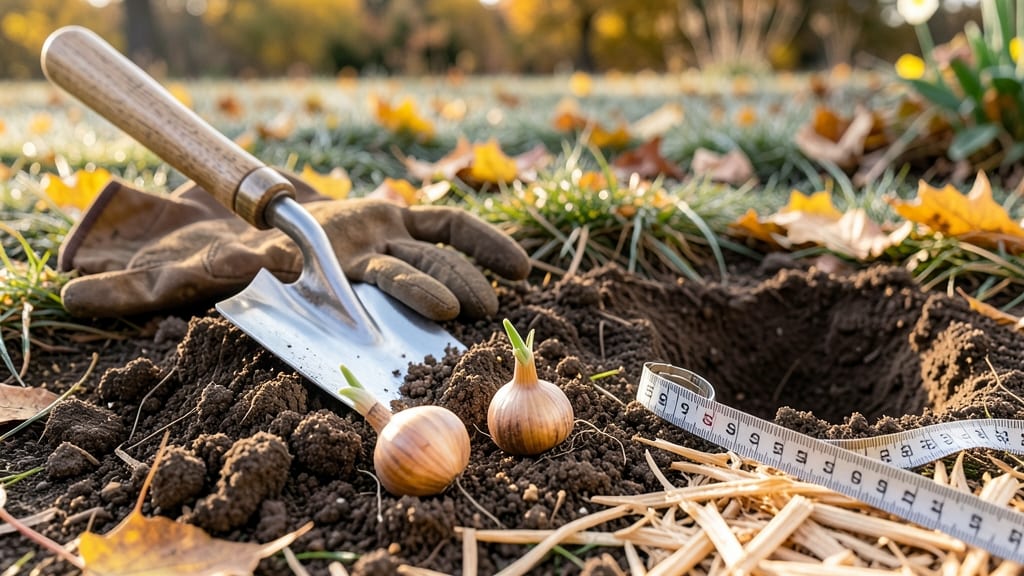
Planting daffodil bulbs at the wrong time in Maryland could mean the difference between a vibrant spring garden and wasted effort. The key to success lies in timing—specifically, getting those bulbs in the ground 6-8 weeks before frost, usually between mid-September and late October.
Maryland’s Zone 7a-7b climate creates a narrow window where soil temperatures are cool enough to prevent rot but warm enough for roots to establish. Miss this window, and your 🌼 daffodils might not bloom—or worse, could rot before winter.
But don’t stress: with the right timing and a few simple tricks, you can ensure your bulbs thrive even in Maryland’s unpredictable fall weather.
Why does timing matter so much? Daffodils need time to develop strong roots before winter sets in. Plant too early, and bulbs may sprout prematurely, only to be killed by frost. Plant too late, and they won’t have enough time to anchor before the ground freezes.
The solution? Follow Maryland’s fall planting calendar and adjust based on your local microclimate—whether you’re in Baltimore’s coastal warmth or the cooler valleys of Western Maryland.
In this guide, I’ll break down the exact planting window, how to adjust for Maryland’s regional differences, and 5 pro tips to protect your bulbs from frost surprises. By the end, you’ll know exactly when—and how—to plant for a showstopping spring display.
Maryland’s ideal daffodil planting window: exact dates by month
Timing is everything when planting daffodil bulbs in Maryland’s Zone 7 climate. The 6-week window between mid-September and late October offers the best chance for healthy root establishment before winter. This period balances soil warmth and frost risk, ensuring bulbs don’t rot or fail to bloom.
Maryland’s first frost typically arrives around November 15, so aim to plant 6-8 weeks before that date.
For reliable blooms next spring, focus on soil temperature—ideal conditions are 50-60°F at planting time. Cool but not frozen soil helps bulbs establish roots without encouraging rot. Use a soil thermometer to check depth (4-6 inches), especially in urban areas where pavement retains heat longer.
Here’s your month-by-month breakdown for Maryland’s daffodil planting schedule, tailored to Zone 7a-7b and local frost patterns:
| Month | Ideal Planting Time | Soil Temp (°F) | Frost Risk | Notes |
|---|---|---|---|---|
| September | Mid-Sept (15th–30th) | 55–65°F | Low (coastal areas) | Early planting for western MD; avoid if soil is still warm. |
| October | Entire month (best: 1st–15th) | 50–60°F | Moderate (increases late Oct) | Optimal window—plant before soil temps drop below 50°F. |
| November | Early Nov (1st–15th) | 45–50°F | High (frost likely after 15th) | Last chance for coastal MD; use extra mulch if planting late. |
| December | Not recommended | Below 40°F | Very high | Bulbs may freeze before rooting; risk of rot in thaw-freeze cycles. |
If you’re in Baltimore or Annapolis, lean toward late October planting—coastal areas stay warmer longer. For Frederick or Hagerstown, start by mid-September to avoid early frosts. Always plant bulbs 6 inches deep and 6 inches apart for optimal spacing, which gives roots room to spread before winter.
Pro tip: Test your soil’s drainage before planting. Daffodils hate soggy soil, so amend heavy clay with compost or sand if needed. A quick percolation test (pour water on soil and time drainage) will save you from rot-prone beds. Aim for water to drain within 30–60 minutes.
For container gardening in Maryland, follow the same timeline but use well-draining potting mix with added perlite. Containers warm up faster in fall, so monitor soil temps closely—delay planting if pots stay above 60°F for more than a week.
Remember: Daffodil bulbs need chill hours to bloom. Planting too late (after November 15) may result in smaller flowers or no blooms next spring. Use a frost calendar for your specific Maryland county to fine-tune your schedule. Most local Cooperative Extension offices provide free frost data!
Once planted, mulch heavily (3–4 inches) with straw or shredded leaves to insulate bulbs. This extra layer can push your planting window 1–2 weeks later in colder microclimates. Just remove mulch in early spring to prevent rot as temps rise.
🌼
How to adjust planting time for Maryland’s microclimates
Maryland’s diverse geography means your 🌼 daffodil planting window can vary dramatically—even just 30 miles apart. Coastal areas like Annapolis experience warmer soil temperatures later into fall, while inland regions like Frederick face earlier frosts. Understanding these microclimates helps you fine-tune planting for your specific location.
For example, Baltimore’s urban heat island can delay first frost by 1-2 weeks compared to rural Western Maryland. Meanwhile, elevation changes in the Appalachian foothills create colder microclimates where bulbs need earlier planting. Even your garden’s exposure matters: a south-facing bed stays warmer longer than a north-facing one.
Here’s how to adjust your planting schedule based on Maryland’s 5 key regions:
| Region | Ideal Planting Window | Key Adjustments | Frost Risk |
|---|---|---|---|
| Coastal (Annapolis, Baltimore) | Late Sept–Nov 15 | Wait until soil temps drop below 60°F | Low (10% chance before Nov 15) |
| Central (Frederick, Hagerstown) | Mid-Sept–Oct 20 | Plant 2 weeks earlier than coastal areas | Moderate (30% chance before Oct 31) |
| Western (Cumberland, Allegany) | Early Sept–Oct 10 | Prioritize early planting for colder soils | High (50% chance before Oct 20) |
| Urban Heat Islands (Baltimore City) | Late Sept–Nov 1 | Monitor soil temps—can stay warm longer | Low (5% chance before Nov 1) |
| Eastern Shore (Easton, Salisbury) | Mid-Sept–Oct 25 | Balance coastal warmth with cooler nights | Moderate (25% chance before Oct 25) |
Pro tip: Use a soil thermometer to confirm when temps consistently drop below 60°F—this is your cue to plant. For late starters, focus on protected microclimates like south-facing beds or near foundations where heat radiates at night.
Even within your own yard, garden bed exposure matters. A north-facing bed may need bulbs planted 2-3 weeks earlier than a south-facing one. Always plant dwarf varieties first—they’re more sensitive to late frosts.
Remember: Maryland’s Zone 7a-7b designation is just a starting point. Your actual planting window depends on localized frost patterns, not just the USDA zone. Check your last average frost date (typically November 15) and count backward 6-8 weeks for your ideal window.