
Plants
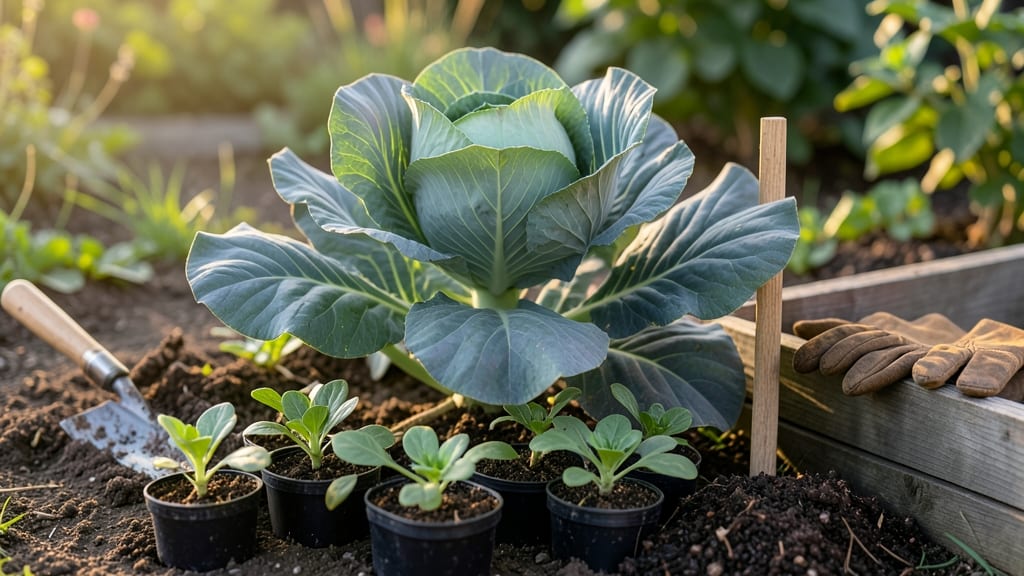
Timing your 🥬 cabbage planting in California isn’t just about the calendar—it’s about beating the heat, avoiding frost, and working with your region’s quirks. Get it wrong, and you’ll end up with bitter leaves or plants that bolt before they even form heads.
Whether you’re in coastal USDA Zone 9-10 where fog keeps things cool year-round or inland valleys where winter warmth can trick plants into early growth, the right schedule makes all the difference.
I’ll break down the exact windows for fall and spring plantings so you can grow crisp, flavorful heads no matter where you live in the state.
You’ll discover how to adjust for microclimates—like planting earlier in foggy areas or choosing heat-tolerant varieties for inland heat—and when to start seeds indoors versus transplanting mature seedlings. Let’s get your cabbage off to the best possible start.
From soil prep to watering tips tailored to California’s dry spells and coastal humidity, this guide covers everything you need to know. Ready to grow cabbage like a pro? Let’s dig in.
Optimal cabbage planting dates by California region (coastal vs inland)
California’s 🥬 cabbage planting schedule hinges on two key factors: your region’s last frost date and whether you’re in coastal fog zones or inland heat belts. Coastal areas like San Francisco rarely see frost, while inland valleys (think Sacramento or Fresno) can experience light frosts in winter.
Let’s break down the exact windows for both fall and spring plantings to ensure your cabbage thrives.
For coastal regions, you can plant year-round with minor adjustments, but the sweet spot is August through October for fall harvests and February through March for spring.
Inland areas should focus on late summer to early fall (August–September) to avoid bolting in summer heat, with a secondary window in February–March for spring crops.
Here’s the comparison table with precise planting dates, soil temperature requirements, and frost considerations for both regions:
| Factor | Coastal Regions (e.g., San Francisco, Santa Barbara) | Inland Regions (e.g., Sacramento, Fresno) |
|---|---|---|
| Planting Window (Fall) | August 15–October 15 | August 1–September 15 |
| Planting Window (Spring) | February 15–March 15 | February 1–March 10 |
| Soil Temperature for Germination | 50–60°F (10–15°C) | 55–65°F (13–18°C) |
| Frost Considerations | None (year-round growing) | Light frost possible Dec 15–Jan 15 |
| Ideal Seed Starting Time (Indoors) | July 1–August 15 (fall) / Jan 1–Feb 15 (spring) | June 15–July 30 (fall) / Jan 15–Feb 10 (spring) |
| Transplanting Age | 4–6 weeks old | 4–6 weeks old |
| Harvest Window (Fall) | October–December | October–November |
| Harvest Window (Spring) | May–July | May–June |
Notice how coastal regions have a longer fall planting window because the mild winters allow for later harvests. Inland areas must plant earlier to avoid summer bolting—when cabbage prematurely flowers due to heat stress.
Pro tip: Use a soil thermometer to confirm your soil is at the ideal 50–65°F (10–18°C) range before planting.
For fall plantings, aim to have your cabbage heads ready to harvest before temperatures rise above 75°F (24°C) in spring. Inland growers should prioritize shade cloth or drip irrigation to keep plants cool during hot afternoons.
Coastal gardeners can relax a bit more, but even foggy areas benefit from mulching to retain moisture.
If you’re starting seeds indoors, coastal gardeners can begin as late as mid-July for fall crops, while inland gardeners should start by late June to account for faster warming soils.
Seedlings should be hardened off for 7–10 days before transplanting to avoid shock. Use row covers if nighttime temperatures dip below 40°F (4°C) to protect young plants.
One common mistake is planting too early in spring—especially inland—where winter rains can lead to rot or pest issues. Wait until soil temperatures stabilize above 55°F (13°C)
How to adjust planting for coastal fog vs inland heat zones
California’s microclimates can turn a cabbage patch into a success story or a bitter disappointment. Coastal areas like San Francisco and Santa Barbara enjoy year-round growing seasons thanks to marine layer fog, while inland valleys such as Sacramento and Fresno face warmer winters and hotter summers.
These differences demand tailored planting strategies.
In coastal fog zones, where temperatures rarely dip below 40°F, you can plant cabbage seedlings almost year-round. The key is to take advantage of the cool, moist air by starting seeds 6–8 weeks before your target harvest date.
For example, if you want heads ready by Christmas, begin sowing in early October.
For inland heat zones, the challenge is avoiding bolting—when cabbage flowers prematurely due to heat stress. Here, focus on fall planting (August–September) to let plants mature before winter cools things down.
If you attempt spring planting, choose shade-tolerant varieties and provide afternoon shade with row covers or mesh.
Another critical adjustment is mulching. In coastal areas, use straw or wood chips to retain moisture during dry summer months, while inland growers should opt for reflective mulch (like aluminum foil) to deflect intense summer sun and keep roots cool.
This simple trick can extend your growing season by 2–4 weeks.
Variety selection also plays a huge role. Coastal growers thrive with ‘Golden Acre’ or ‘Red Express’, which handle mild winters and humidity well. Meanwhile, inland gardeners should opt for ‘Wisconsin Winter’ or ‘Early Jersey Wakefield’, bred to tolerate heat and drought better.
Watering habits must shift too. Coastal cabbages need consistent moisture but can handle occasional rain, while inland plants require deep, infrequent watering to prevent bolting. Aim for 1–1.5 inches of water per week, always in the morning to reduce fungal risks from evening humidity.
By adjusting your approach to these regional quirks, you’ll turn California’s climate challenges into opportunities for a bountiful cabbage harvest. Whether you’re battling coastal fog or inland heat, these tweaks will keep your plants happy and productive all season long. 🌱
- Plant 6–8 weeks before harvest date (e.g., October for Christmas heads).
- Use straw mulch to retain moisture during dry summers.
- Choose ‘Golden Acre’ or ‘Red Express’ for humidity tolerance.
- Water every 2–3 days; rely on natural fog for cooling.
- Plant August–September for fall harvest; avoid spring heat.
- Use reflective mulch (foil) to deflect summer sun.
- Select ‘Wisconsin Winter’ for heat/drought resistance.
- Water deeply every 3–4 days; avoid evening watering.