
Plants
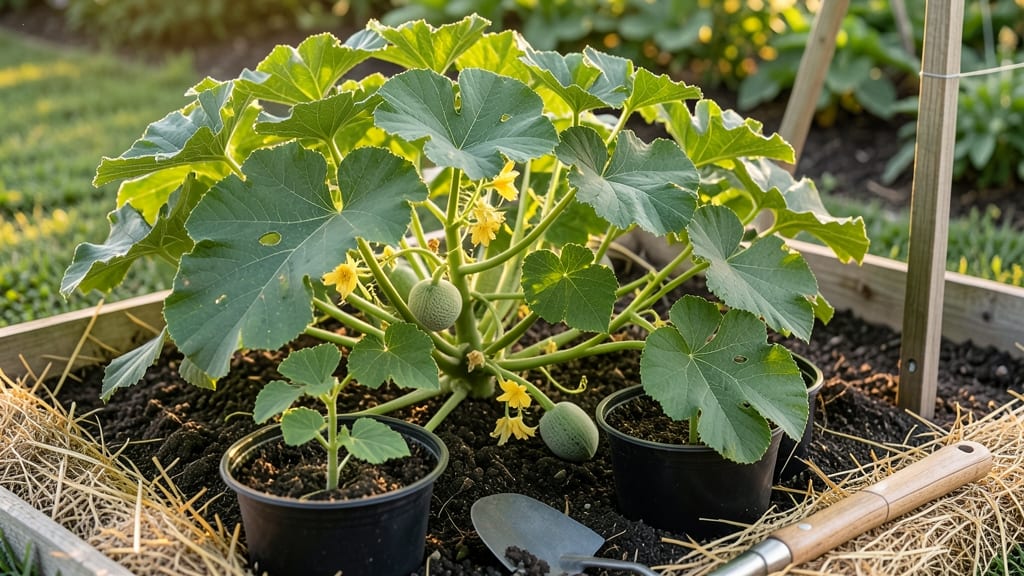
If you’re dreaming of homegrown cantaloupe 🍈 with that signature sweetness, timing your Florida planting just right is the key to success.
Unlike cooler climates, Florida’s frost-free zones mean you’ve got two prime windows to grow these vines—spring and fall—but getting the months wrong can leave you with bitter fruit or wasted effort.
Most gardeners in Florida’s 9a-11 zones swear by planting cantaloupe in February or March for a spring harvest, but there’s a trickier second window in July-August if you want to beat the summer heat.
The secret? Waiting until soil temperatures hit 70°F—any earlier, and your seeds will struggle to germinate.
I’ve learned the hard way that rushing the process leads to weak vines and poor yields, but nailing the timing means juicy, ripe melons by May or October.
Whether you’re a seasoned gardener or a first-timer, these exact planting windows will help you avoid common mistakes and maximize your harvest.
Ready to grow cantaloupe that rivals the ones at the grocery store? Let’s break down the best months, heat-tolerant varieties, and pro tips to turn your Florida garden into a melon powerhouse.
Best planting months for cantaloupe in Florida’s climate zones
Florida’s unique climate zones—North, Central, and South—create distinct planting windows for cantaloupe. Unlike northern states, Florida’s frost-free growing season means you can plant almost year-round, but timing still matters to avoid heat stress or poor fruit development.
The key is aligning your planting with soil temperatures and seasonal heat patterns.
Cantaloupes thrive in 70-90°F soil temperatures and need 8-10 hours of sunlight daily. In Florida, this translates to two primary planting windows: early spring (February-March) for summer harvests and late summer (July-August) for fall harvests. Each zone has slight variations due to humidity and temperature fluctuations.
Northern Florida (USDA Zones 8a-9a) faces cooler nights and occasional light frosts in winter, while Central (9b-10a) and South (10b-11) Florida enjoy warmer winters.
For example, in Jacksonville (Zone 8b), you’ll want to plant cantaloupe 2-3 weeks later than in Miami (Zone 11) to avoid early-season heat stress.
Florida Cantaloupe Planting Guide by Zone
| Zone | Best Planting Months | Soil Temp Requirement | Harvest Window | Key Consideration |
|---|---|---|---|---|
| North (8a-9a) | March 15 - April 15 July 15 - August 15 |
≥70°F (use row covers for early plantings) | May-June October-November |
Avoid early March plantings if nights dip below 50°F |
| Central (9b-10a) | February 15 - March 15 July 1 - August 10 |
≥75°F (ideal for faster germination) | April-June September-December |
High humidity increases disease risk—space vines well |
| South (10b-11) | January 15 - February 28 June 15 - July 31 |
≥80°F (direct sow after last heatwave) | March-May August-October |
Provide afternoon shade in peak summer (90°F+) |
*All zones benefit from black plastic mulch to warm soil faster and suppress weeds.
For spring plantings, aim to have cantaloupes established before April’s heat peaks. In South Florida, you can even start seeds indoors in January and transplant outdoors in February for an early harvest. Conversely, fall plantings should occur before September’s hurricanes and high humidity, which can stress vines.
Soil preparation is just as critical as timing. Cantaloupes prefer well-draining, sandy loam soil with a pH of 6.0-6.8. Before planting, amend your soil with compost or aged manure to improve fertility.
In Florida’s heavy clay soils (common in Central Florida), consider raising beds to prevent waterlogging, which can lead to root rot.
Direct sowing is the preferred method for cantaloupe in Florida, as transplants often struggle with transplant shock in the heat. Plant seeds 1 inch deep and 2 feet apart in hills, with 5 feet between hills to allow vines to spread.
Thin seedlings to the strongest plant per hill once they reach 2 inches tall.
Monitor your cantaloupe plants closely for powdery mildew or cucumber beetles, common pests in Florida’s humid climate. Use row covers for early plantings to protect young vines, and apply neem oil as a preventive measure.
In South Florida’s wet season (June-September), ensure proper airflow by pruning lower leaves to reduce humidity around the vines.
Remember, cantaloupes need consistent moisture but hate soggy roots. Water deeply early in the morning to encourage strong root growth and reduce fungal diseases. Mulch with straw or black plastic to retain moisture and keep fruits clean.
With the right timing and care, you’ll enjoy sweet, juicy cantaloupes straight from your Florida garden! 🍈
Best planting months for cantaloupe in Florida’s climate zones
Florida’s frost-free climate means cantaloupe can grow year-round, but timing is critical for sweet, high-yield melons. Unlike northern states, you’ll plant twice: spring for summer harvests and summer for fall harvests. The key is avoiding heat stress (above 90°F) and ensuring soil temperatures stay above 70°F for germination.
North Florida (Zones 8a-9a) has slightly cooler winters, while Central (9b) and South Florida (10a-11) enjoy year-round warmth. Your planting window shifts 1-2 months later as you move south.
For example, Jacksonville’s ideal planting dates differ from Miami’s due to microclimates. Always check your last frost date—though rare, North Florida can see light frosts in January.
🌱 Florida Cantaloupe Planting Guide by Region
| Region | Best Planting Months | Soil Temp. (°F) | Harvest Window | Key Tip |
|---|---|---|---|---|
| North Florida (8a-9a) | Feb 15 - Mar 15 Jul 15 - Aug 15 |
70°F+ | May-Jun Oct-Nov |
Use row covers for early spring |
| Central Florida (9b) | Jan 15 - Feb 28 Jun 15 - Jul 31 |
70°F+ | Apr-May Sep-Oct |
Prioritize afternoon shade in summer |
| South Florida (10a-11) | Dec 15 - Jan 31 May 15 - Jun 30 |
75°F+ | Mar-Apr Aug-Sep |
Plant near water sources for humidity |
💡 Pro Tip: Use a soil thermometer to confirm 70°F+ before planting—cold soil delays germination by weeks.
For direct sowing (recommended in Florida), plant seeds ½-inch deep in hills spaced 3-4 feet apart. Each hill should have 3-4 seeds for better vine coverage.
If transplanting (less common due to heat sensitivity), use 4-6 week old seedlings and harden them off for 7-10 days before moving to the garden.
After planting, mulch heavily with straw or black plastic to retain moisture and suppress weeds. Cantaloupe vines spread aggressively—give them 6-8 feet of space or they’ll compete with each other. In North Florida’s cooler months, use black plastic mulch to warm the soil faster and jumpstart growth.
Monitor your plants for powdery mildew (common in Florida’s humidity) by watering at the base and avoiding overhead sprinklers. If temperatures exceed 95°F, provide afternoon shade cloth (30-50%) to protect blossoms. The goal is consistent 80-90°F days—Florida’s summer heat can stress plants if unchecked.
Remember: Florida’s double harvest system lets you enjoy cantaloupe from spring through fall. Plan your spring planting in February-March for summer harvests, then summer planting in July-August for fall yields. With the right timing, you’ll avoid the bitter, seedy melons that result from heat stress or poor pollination.