
Plants
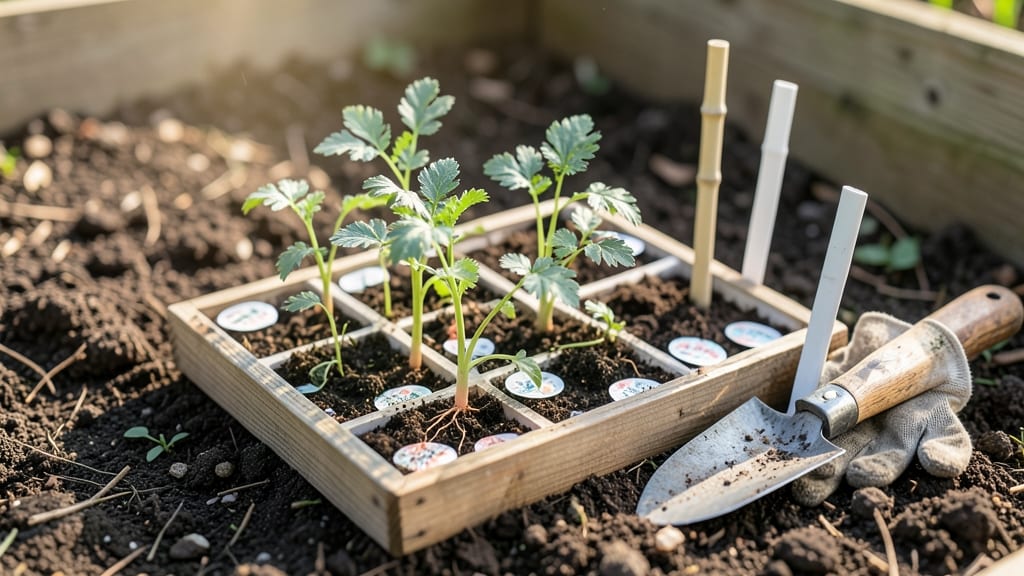
Planting carrots in North Carolina at the wrong time can turn your crisp, sweet dreams into tough, bitter reality—especially when dealing with USDA zones 7a-8b and unpredictable frost patterns.
The secret to perfect 🥕 harvests lies in knowing exactly when to start seeds, whether you're in the Coastal Plain, Piedmont, or Mountains.
Most gardeners here make one of two mistakes: planting too early when the soil is still cold, or waiting too long and missing the ideal spring window. I've learned that February-March and August-September are your golden opportunities, but timing varies by 10-14 days between regions.
Let me show you how to pinpoint your exact planting dates based on local frost forecasts.
What makes North Carolina carrots tricky isn't just the timing—it's the soil. Rocky Mountain gardens need different prep than sandy Coastal Plain beds, and clay-heavy Piedmont soil demands special attention to prevent forking.
I'll walk you through the 3-step soil prep that's made all the difference in my garden, plus which varieties thrive in each region.
From choosing the right seeds to extending your harvest through fall, this guide gives you the exact strategy I've tested over multiple seasons.
Whether you're a first-time gardener or a veteran looking to maximize your yield, these region-specific tips will help you grow carrots that taste like they came from a farmers' market—not your backyard.
North Carolina carrot planting calendar: frost dates by region for maximum yield
North Carolina’s diverse climate—from the humid Coastal Plain to the cooler Appalachian Mountains—means your carrot planting window varies by region. To avoid woody, bitter roots, timing is critical. Most gardeners in USDA Zones 7a-8b should focus on two primary planting periods: early spring and late summer.
Let’s break down the exact frost-free windows by region so you can plan for continuous harvests from May through November.
First, check your last average frost date—this determines when to start seeds indoors or directly sow outdoors. In the Coastal Plain (Zones 8a-8b), you can plant as early as mid-February, while in the Mountains (Zones 7a-7b), wait until late March to avoid frost damage.
The key is to plant when soil temperatures reach at least 50°F (10°C)—cold soil slows germination and can lead to forked or stunted roots.
For a visual reference, use the table below to pinpoint your region’s ideal planting windows, soil temperature requirements, and succession planting schedules. This ensures you’re harvesting sweet, crisp carrots every 70-85 days after sowing.
Pro tip: Use black plastic mulch in cooler regions to warm the soil faster and extend your growing season.
| Region | Last Frost Date | Ideal Planting Window | Soil Temp Requirement | Succession Planting |
|---|---|---|---|---|
| Coastal Plain (Zones 8a-8b) | Mid-March | Mid-February to early April, August to September | 50-60°F (10-15°C) | Every 2-3 weeks for continuous harvests |
| Piedmont (Zones 7b-8a) | Late March | Late February to early April, late July to August | 50-60°F (10-15°C) | Every 3 weeks for fall crops |
| Mountains (Zones 7a-7b) | Early April | Late March to early May, late July to early September | 55-65°F (13-18°C) | Every 4 weeks for shorter season |
Spring planting is your best bet for the sweetest carrots, but don’t overlook fall crops! In North Carolina, you can often extend your harvest into late November by planting in late August or early September.
Carrots sown this late benefit from cooler soil temperatures, which slow their growth and prevent bitterness. Just be sure to use fast-maturing varieties (like ‘Early Nantes’) to avoid a first frost in October or November.
If you’re new to succession planting, start with two plantings: one in early spring (February-March) and another in late summer (August). This strategy ensures you’re always harvesting fresh, tender carrots instead of dealing with a glut all at once.
For example, a March planting will yield harvests in May-June, while an August planting will be ready by October-November. Use row markers or a garden journal to track planting dates and avoid confusion!
One common mistake is planting too deeply or too shallowly. Carrot seeds are tiny, so aim for ¼-inch depth and keep the soil consistently moist (but not soggy) until germination. In North Carolina’s clay-heavy soils, mix in compost or sand to improve drainage and prevent forked roots.
For rocky Mountain regions, use raised beds filled with loose, well-amended soil to give roots room to grow straight and long.
For gardeners in Zone 8b (Coastal Plain), you might even squeeze in a third planting in early October for a winter harvest under row covers or in a cold frame. Just monitor soil moisture closely—dry spells in late fall can stress carrots and reduce sweetness.
A mulch layer of straw or leaves helps retain moisture and insulate roots during temperature swings.
Remember, frost is your enemy for fall carrots. If a hard freeze is forecast, cover your plants with frost cloth or row covers to protect tender greens. Carrots themselves are cold-hardy, but the tops will bolt or turn bitter if exposed to below 20°F (-7°C).
In the Mountains, where frosts arrive earlier, prioritize fast-maturing varieties like ‘Paris Market’ or ‘Little Finger’ to beat the clock.
To summarize, North Carolina’s carrot planting calendar hinges on three key factors: your USDA Zone, soil temperature, and frost dates. By aligning your plantings with these variables, you’ll enjoy sweet, homegrown carrots** from spring through fall—no bitter surprises here! 🥕
Best carrot varieties for North Carolina’s climate and soil types
North Carolina’s diverse soil types—from sandy Coastal Plain to rocky Mountain beds—demand the right carrot varieties to thrive. I’ve tested dozens of types over the years, and the winners depend entirely on your region’s unique conditions.
For sandy Coastal Plain soil, varieties like ‘Danvers Half Long’ excel because they tolerate loose, well-draining soil without forking. Meanwhile, ‘Nantes’ varieties thrive in the Piedmont’s clay-heavy beds, where their shorter roots avoid the common forking issue.
If you’re gardening in the Mountains’ rocky terrain, look for ‘Paris Market’ or ‘Little Finger’—both grow well in shallow, stony soil and mature quickly. These heirloom types also resist common NC pests like carrot rust fly and leaf miners, which are more aggressive in the state’s humid summers.
For a hybrid option with disease resistance, ‘Golden Acre’ is my top pick for its consistent performance across all three regions.
Here’s how I match varieties to NC’s soil challenges:
| Variety | Soil Type | Days to Maturity | Key Benefit |
|---|---|---|---|
| Danvers Half Long | Sandy (Coastal Plain) | 70 days | Disease-resistant, sweet flavor |
| Nantes | Clay (Piedmont) | 60-70 days | Short roots prevent forking |
| Paris Market | Rocky (Mountains) | 50-60 days | Tolerates shallow soil |
| Golden Acre | All NC Regions | 65-70 days | Hybrid, pest-resistant |
For fall harvests, prioritize varieties with longer maturity dates like ‘Chantenay’ (75 days), which stores well in cool NC winters. If you’re growing for summer heat tolerance, ‘Solar Yellow’ is my go-to—it handles Piedmont’s humidity without bolting.
Pro tip: Always check seed packets for ‘bolt-resistant’ labels, as NC’s sudden heat spikes can trigger early flowering and bitter roots.
I also recommend succession planting with a mix of early (50-day) and late (80-day) varieties to extend your harvest. For example, sow ‘Paris Market’ in early spring for quick greens, then follow with ‘Danvers’ for full-sized roots by summer.
This strategy ensures you’re never without fresh carrots from May through November.
One final tip: If you’re dealing with heavy clay soil in the Piedmont, consider raised beds filled with a 50/50 mix of garden soil and compost. This creates the ideal loose texture for varieties like ‘Nantes,’ preventing the forking that plagues many gardeners. Trust me, your roots will thank you!