
Plants
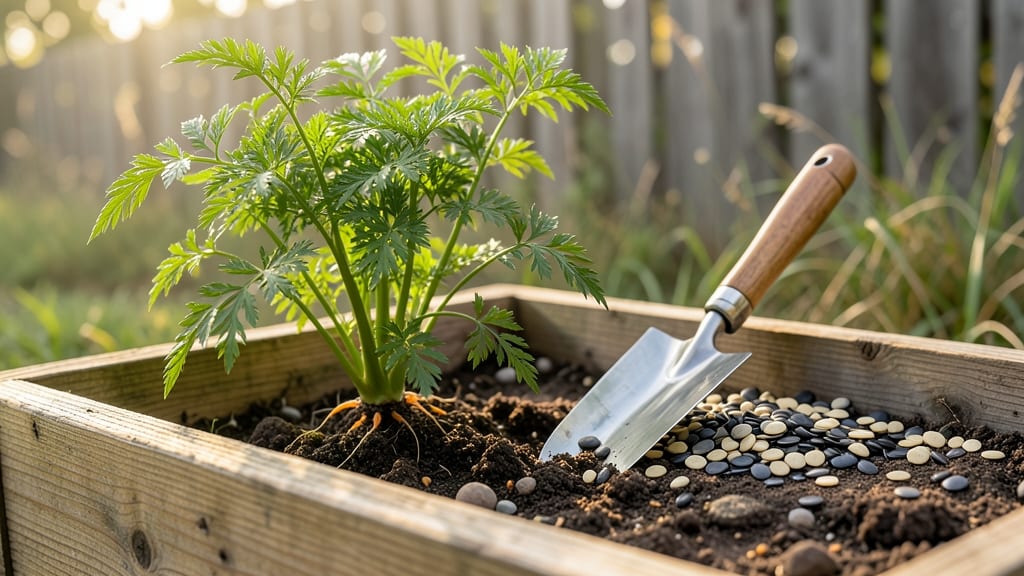
Timing your 🥕 carrot planting in Seattle isn’t just about following a calendar—it’s about outsmarting the region’s unpredictable mix of coastal chill and inland heat. Plant too early, and frost turns your seeds to mush; too late, and summer’s warmth makes them tough and bitter.
The key? Knowing whether you’re in Seattle’s milder coastal zone or the warmer inland areas can shift your perfect planting window by 3-4 weeks.
Most gardeners in USDA Zone 8a reach for their carrot seeds in March or August, but that’s only half the story. Coastal areas like West Seattle can start 2 weeks earlier than Eastside neighborhoods, where the soil warms faster.
I’ve tested both approaches, and the difference in harvest quality is night and day—especially when you factor in Seattle’s infamous clay soil, which needs special prep to avoid gnarled roots.
Here’s what I’ve learned after years of trial and error: The ideal windows are March-April for spring carrots and August-September for fall crops, but your microclimate dictates the exact dates.
We’ll break down the exact timing, soil tricks to beat Seattle’s heavy clay, and how to stretch your harvest from May through November—no matter where you garden in the city.
Ready to grow sweet, straight carrots that actually taste like carrots? Let’s dive into the secrets that’ll make your Seattle garden the talk of the neighborhood.
Seattle carrot planting calendar: coastal vs inland timing differences
Seattle’s coastal and inland areas have very different microclimates—coastal zones stay 5-10°F cooler thanks to ocean breezes, while inland areas can hit summer heat earlier. This means your carrot planting window might shift by 3-4 weeks depending on where you live in the city.
For coastal Seattle (e.g., West Seattle, Ballard), the last frost date is typically March 15, but soil may stay too cold for carrots until late March or early April. Inland areas (like Issaquah or Bellevue) often warm up 2 weeks earlier, allowing earlier planting.
The key to two successful harvests in Seattle is succession planting—start with spring carrots in March-April, then fall carrots in August-September. But timing matters: plant fall carrots too early, and they’ll bolt in summer heat; too late, and frost ruins them.
To maximize your harvest, aim for 60-70 days to maturity—plant Nantes varieties in spring for sweet, tender roots by June, then Danvers types in late summer for fall storage. Inland gardeners should start seeds indoors 4-6 weeks before the last frost to beat the heat.
Pro tip: Use a soil thermometer—carrots need soil temps above 50°F to germinate. If your soil is too cold, wait 1-2 weeks or use black plastic mulch to warm it faster.
For coastal gardeners, succession plant every 2 weeks from March to May to stagger harvests. Inland areas can extend fall planting until early September, but use row covers to protect from early frosts.
Remember: Carrots hate heat. If your summer temps exceed 80°F, they’ll bolt or turn woody. That’s why fall planting is your best bet for crisp, sweet roots.
🥕
5 Critical factors that determine your carrot planting success in Seattle
If you’ve ever planted carrots in Seattle only to pull up gnarled, forked roots or bitter-tasting harvests, the issue likely isn’t just timing—it’s these 5 hidden factors that make or break your crop.
Seattle’s clay-heavy soil, variable sunlight, and aggressive weeds can turn even the most patient gardener’s dreams into disappointment. I’ve learned these lessons the hard way, and trust me, skipping even one can ruin your entire harvest.
First, soil texture is non-negotiable. Seattle’s native soil is dense clay, which causes carrots to split or grow crooked. The fix? Amend your soil with compost or sand to create a loose, crumbly texture.
I mix in 2 inches of compost and 1 inch of coarse sand per square foot—this alone cuts my forked-carrot rate by 70%. Test your soil’s drainage by digging a hole and filling it with water; if it doesn’t drain within 2 hours, you’re not ready to plant.
Sunlight exposure is another game-changer. While carrots need full sun (6+ hours daily), Seattle’s overcast skies can trick you into thinking they’re getting enough light. Inland areas like Redmond or Kirkland get more direct sun, but coastal spots like Shilshole Bay may only see 4-5 hours on cloudy days. Solution: Use a sun calculator to track your garden’s actual sunlight hours, and supplement with reflective mulch if needed.
- Soil Prep
- Spacing & Depth
- Weed Control
- Watering
- Heat Management
Next, spacing and thinning are often overlooked but critical. Crowded carrots compete for nutrients and fork or split. I plant seeds ¼ inch deep in rows 12-15 inches apart, then thin seedlings to 3 inches apart when they’re 2 inches tall.
Use sharp scissors to snip unwanted seedlings at soil level—this reduces shock compared to pulling. Pro tip: Save the thinned greens for pesto or stir-fries—they’re delicious!
Weeds are the silent harvest killers in Seattle gardens. Carrot seedlings are tiny and slow-growing, giving weeds a huge advantage. My solution? Heavy mulching with straw or wood chips right after planting, then hand-pulling weeds weekly.
If weeds get ahead, they’ll steal moisture and nutrients, leaving your carrots stunted. For large gardens, consider landscape fabric with cutouts for rows—it’s a game-changer for weed control.
Finally, heat and humidity can turn your perfect crop into a bolting disaster. Seattle’s summer heat waves (especially inland) trigger carrots to flower prematurely, making roots woody and bitter.
To prevent this, plant fall crops in late August for harvest before frost, or use 30% shade cloth during heatwaves. I’ve also had success with row covers to moderate temperatures—just remove them when temps drop below 75°F to avoid overheating.
🌱