
Plants
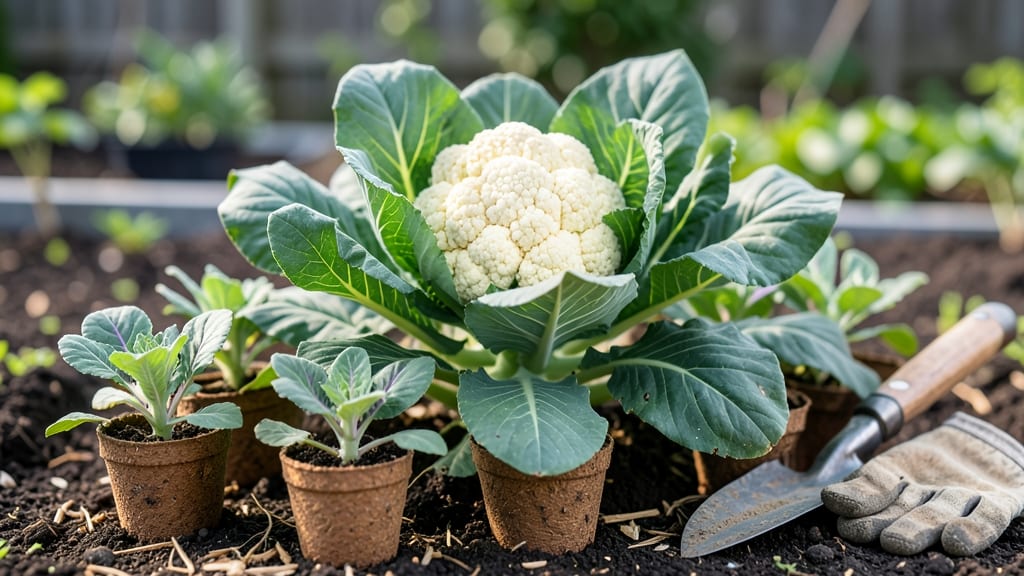
Planting cauliflower in Georgia isn’t just about timing—it’s about outsmarting the heat while catching those perfect 60-day windows between frost and sweltering afternoons. Skip the wrong month, and you’ll end up with bitter, bolted heads instead of the crisp, snow-white 🥬 you’re dreaming of.
I’ve grown cauliflower in Georgia’s 7b-8b zones for years, and the secret isn’t just picking the right variety—it’s knowing when to tuck those seedlings into the soil.
Too early, and the summer sun will send them running to flower. Too late, and frost will steal your harvest before it even forms.
Here’s what I’ve learned: the ideal planting windows are late February–early March for spring crops and August–early September for fall. But there’s more to it than dates—soil prep, shade tricks, and even which varieties hold up in 90°F+ temps can make or break your garden.
Let’s break it down so you can grow cauliflower that’s sweet, tender, and ready to harvest—without the stress. Ready to dive in?
Best planting months for cauliflower in Georgia’s climate zones
Georgia’s 7b-8b climate zones mean you’ve got two narrow windows to grow cauliflower successfully—spring and fall. Skip these months, and you’ll battle bolting (premature flowering) or frost damage. The key is planting when soil temps hover around 50-60°F and daytime highs stay under 85°F.
For spring crops, aim for late February to early March in Zone 7b or January to early February in Zone 8b. These dates give your plants 60-75 days to mature before summer’s brutal heat sets in.
In my garden, I’ve found that seedlings transplanted by March 1 in Zone 7b yield the best results.
Fall planting is trickier but equally rewarding. Start seeds indoors in July or transplant hardened-off seedlings in August for a harvest before the first frost. The goal is to have heads ready by mid-October in Zone 7b or early November in Zone 8b.
Here’s the breakdown of your ideal planting windows by zone, including frost dates and heat thresholds:
| Zone | Last Frost Date | First Frost Date | Spring Planting Window | Fall Planting Window | Heat Threshold (°F) |
|---|---|---|---|---|---|
| 7b | March 15 | November 15 | Late Feb–Early Mar | August–Early Sept | Below 85°F |
| 8b | February 28 | December 15 | January–Early Feb | Late July–Early Aug | Below 80°F |
Why these dates? Cauliflower is a cool-season crop that bolts when stressed by heat. Planting too early risks frost damage, while planting too late risks 90°F+ temps, which turn heads bitter and loose.
My trick? Use shade cloth (30-50%) during peak summer afternoons to buy extra time for fall crops.
For continuous harvests, stagger plantings every 2-3 weeks within your chosen window. This ensures you’re not overwhelmed with a single batch of mature heads. In my experience, a successive planting schedule also spreads out pest pressure, like cabbage worms and flea beetles, which love young cauliflower.
Pro tip: If you’re in Zone 8b, you might even squeeze in a mini-winter crop by planting in October. These plants will mature just before the first frost, giving you a bonus harvest. Just be prepared to protect them with row covers if a cold snap hits.
One more critical factor: soil temperature. Cauliflower roots thrive in 50-60°F soil. In Georgia, this means waiting until after February 15 for spring plantings or ensuring your fall soil hasn’t cooled below 55°F before transplanting. Use a soil thermometer to check—it’s a game-changer for consistency.
Ready to pick the perfect variety for your zone? Let’s talk heat-tolerant cauliflower next—some varieties handle Georgia’s summers like a champ, while others wilt faster than a sunburnt tomato. Stay tuned!
Best planting months for cauliflower in Georgia’s climate zones
Georgia’s 7b-8b climate zones create a unique challenge for cauliflower growers—too early, and the summer heat sends plants bolting. Too late, and frost ruins your harvest. The sweet spot is a 60-day window between frost dates, but timing varies by zone and season.
In Zone 7b (north Georgia), aim for late February to early March for spring transplants. For Zone 8b (south Georgia), you can push it to early February. These dates give plants enough time to mature before summer’s 90°F+ heat triggers bolting.
For fall crops, August to early September is ideal across both zones. This ensures heads form before the first frost (November 15 in Zone 7b or December 15 in Zone 8b). Planting too late risks immature heads before cold snaps.
Here’s how these windows break down by zone and season:
| Zone | Season | Planting Window | Key Consideration |
|---|---|---|---|
| 7b | Spring | Late February–Early March | 4–6 weeks before last frost (March 15) |
| 8b | Spring | Early February–Mid-February | 4–6 weeks before last frost (February 28) |
| 7b & 8b | Fall | August–Early September | 10–12 weeks before first frost (November 15–December 15) |
Pro tip: Use shade cloth (30–50%) during peak summer months to protect young plants from heat stress. This buys you an extra 2–3 weeks of safe growth before bolting.
For continuous harvests, stagger plantings every 2 weeks in spring and fall. This ensures a steady supply of fresh cauliflower from May–June (spring) and October–November (fall).
Remember, Georgia’s humidity and heat demand extra care. Mulch with straw or pine needles to retain moisture and regulate soil temperature—this alone can improve yields by 30% in hot climates.