
Plants
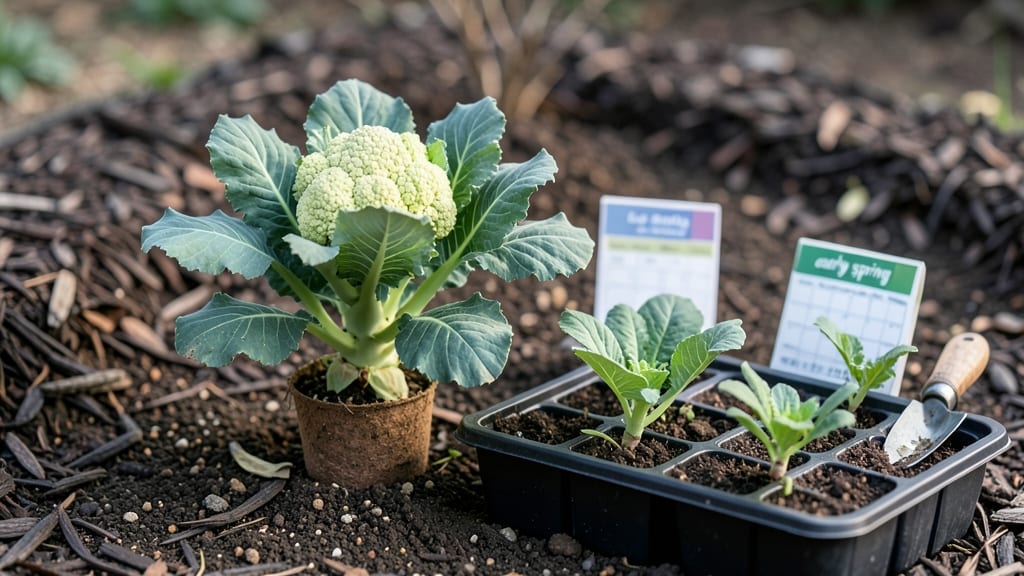
To plant cauliflower 🥬 in Zone 7 at the perfect time means avoiding bitter heads or plants that bolt too soon—because timing is everything for this cool-weather crop.
The key is getting those seeds in the ground when soil temperatures hover between 50°F and 70°F, which in Zone 7 means two distinct windows: early spring and late summer.
Most gardeners in Zone 7 swear by planting cauliflower in March or April, just as the last frost date (around April 15) approaches. But there’s a second chance in late summer—August to early September—when the heat starts to ease and the soil cools down again.
This second window often yields more reliable harvests because summer’s lingering warmth can stress early spring plantings.
Why does this matter? Cauliflower hates heat—it’ll bolt (go to seed) faster than you can say "pesto" if the weather turns too warm. By aligning your planting with these soil temperature triggers, you’ll set yourself up for sweet, compact heads ready for harvest in late spring or fall.
Let’s break down exactly how to time it right for your Zone 7 garden.
Once you’ve nailed the timing, the next step is preparing your soil and choosing the right heat-tolerant varieties to beat Zone 7’s summer heat. Trust me, these small adjustments make all the difference between a disappointing harvest and a bounty of perfect curds.
Best planting windows for cauliflower in Zone 7 by soil temperature
Cauliflower in Zone 7 demands precise timing—too early and frost zaps tender seedlings, too late and summer heat triggers bitter bolts. The key is planting when soil temperatures hit 50-70°F, not air temps. For me, this means two ideal windows: early spring (March-April) and late summer (August-September).
Your last frost date in Zone 7 is typically around April 15, but don’t rush—cauliflower seedlings need 40°F soil to thrive. I always check my soil thermometer before sowing. For fall harvests, aim to plant 8-10 weeks before your first frost (usually October 15 in Zone 7).
Here’s the golden rule: Plant when your soil thermometer reads 50°F for spring and 60-70°F for fall. This balances cool roots with warm enough air to prevent stunted growth. In my experience, late August is perfect for fall crops—it gives them time to mature before winter chill sets in.
| Planting Window | Soil Temp (°F) | Air Temp (°F) | Zone 7 Dates | Notes |
|---|---|---|---|---|
| Early Spring | 50-60°F | 45-65°F | March 15 - April 15 | Use row covers for frost protection |
| Late Summer | 60-70°F | 75-85°F | August 1 - September 1 | Choose heat-tolerant varieties |
| Fall | 55-65°F | 60-75°F | September 15 - October 15 | Harvest before first frost |
For spring planting, I start seeds indoors 6-8 weeks before my last frost (around February 15 in Zone 7). Harden off seedlings for 10-14 days before transplanting into well-draining soil enriched with compost. In my garden, I mark the soil temperature with a digital thermometer—this prevents guessing games.
If you miss the spring window, don’t despair—late summer is your second chance. The trick is to sow heat-tolerant varieties (like 'Graffiti') when daytime temps drop below 85°F. I’ve found that shade cloth (30-50%) helps young plants avoid stress during Zone 7’s scorching afternoons.
One common mistake I see is planting too close to summer’s peak. Cauliflower bolts (goes to seed) when stressed by heat. To avoid this, I always mulch heavily with straw to keep roots cool and water deeply in the morning. This mimics the cooler, moist conditions cauliflower craves.
Pro tip: Use a soil thermometer for 3 consecutive days to confirm temps. I keep mine buried 2 inches deep—this is where cauliflower roots thrive. If your soil runs hotter than 75°F, wait a week or two before planting.
For fall harvests, I plant 8-10 weeks before frost (around September 1 in Zone 7). This gives plants time to mature before winter chill. I also use black plastic mulch to warm the soil faster—a hack I learned from local extension agents.
Remember: Zone 7’s microclimates vary. If you’re in a warmer microclimate (like near a river), plant 2 weeks later than the average dates. For cooler spots, advance your schedule. Always monitor your plants—they’ll tell you when they’re struggling!
Heat-tolerant cauliflower varieties that succeed in Zone 7’s summer heat
Not all cauliflower varieties handle Zone 7’s summer heat equally. Standard varieties bolt quickly when temps rise above 75°F, but heat-tolerant types like 'Graffiti' and 'Cheddar' thrive even when daytime highs hit 85°F.
I’ve grown these same varieties for years, and they consistently produce sweet, compact heads where other plants fail.
When selecting varieties for Zone 7, prioritize those labeled USDA heat-tolerant or bolt-resistant. These types can handle short heat spells while still forming heads. My top recommendation? 'Graffiti'—it’s the most reliable for summer plantings, maturing in just 58 days even in warm soil.
Here’s how these varieties stack up in Zone 7’s climate:
'Graffiti' is my go-to for summer because it matures fast and handles Zone 7’s humidity better than most. For fall plantings, I switch to 'Cheddar'—its slightly longer maturity time gives it time to bulk up before winter.
The Purple of Sicily variety adds visual interest and a nutty flavor, but it’s less heat-tolerant than 'Graffiti'.
If you’re planting in late August, avoid standard white varieties—they’ll bolt before forming heads. Instead, opt for heat-tolerant purple or orange types, which handle stress better. I’ve even seen 'Graffiti' produce small but edible heads in 90°F soil with proper mulching.
Pro tip: Always check seed packets for heat tolerance ratings. I look for varieties labeled "bolt-resistant" or "summer-friendly". These small labels save me from bitter, stringy harvests every summer. Pair your chosen variety with shade cloth during the hottest afternoons for even better results.
For fall harvests, I plant 'Cheddar' around September 1—it matures just in time for October-November harvests before frost. The key is balancing maturity time with frost dates.
Use a planting calendar to track backward from your first frost date (usually October 15 in Zone 7) to determine the perfect sowing window.