
Trees
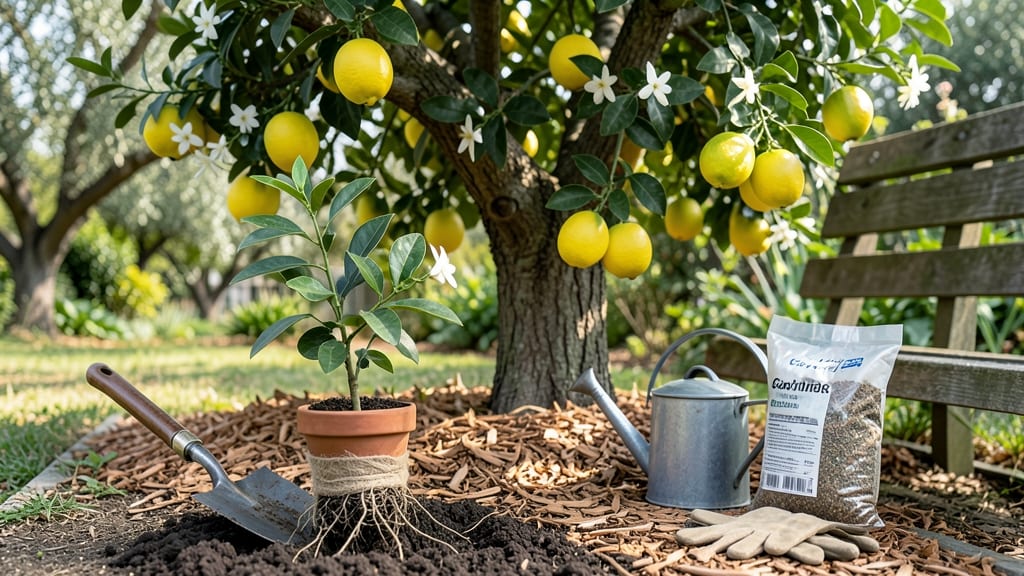
Planting a citrus tree in Phoenix isn’t just about timing—it’s about survival in a climate where 110°F summers and sudden monsoons can turn your sapling into a crispy statistic if you’re not careful.
But here’s the good news: when you plant your 🍊 citrus tree between November and March, you’re giving it the best shot at thriving in Zone 9b’s extreme conditions. That’s when cooler temps and shorter days let roots establish before summer’s brutal heat arrives.
I’ve seen firsthand how a well-timed planting leads to trees that not only survive but flourish—producing fruit from spring to fall. The key? Avoiding the October-to-April gray zone where late frosts (yes, they happen!) or early heat stress can sabotage your efforts.
Ready to unlock the secrets? I’ll walk you through the exact months to plant, heat-resistant varieties that actually work in Phoenix, and how to outsmart the desert’s worst challenges—so you’re not left with a sad, sunburned citrus tree by July.
Optimal Phoenix citrus planting months: exact timing for survival
In Phoenix’s Zone 9b climate, the difference between a thriving citrus tree and a sad, sun-scorched statistic often comes down to planting timing. The ideal window spans November through March, when cooler temperatures and shorter days create perfect conditions for root establishment before summer’s brutal heat arrives.
This isn’t just about avoiding frost—though Phoenix rarely sees them—it’s about giving your tree’s roots time to anchor deeply before the 100°F+ summers hit. Planting in these months also lets you sidestep the monsoon season (July-September), when sudden downpours can drown shallow roots if drainage isn’t perfect.
🚨 NON-NEGOTIABLE: The best 4-week window is mid-November to mid-December. This gives roots 6-8 weeks to establish before temperatures climb above 80°F in March. I’ve seen trees planted in January thrive, but those planted in late February or March often struggle with transplant shock as heat ramps up.
Here’s why timing matters so much in Phoenix: citrus trees hate heat stress during their first growing season. When planted in summer, their energy goes into surviving rather than growing, and you’ll end up with stunted trees that take years to bear fruit—or never do.
If you must plant outside this window, October is your last acceptable month—but only if you’re prepared for afternoon shade and daily watering. April plantings are possible, but your tree will fight just to survive, let alone produce fruit.
I’ve seen Meyer lemons planted in April make it, but they often take 2-3 years longer to bear fruit compared to winter plantings.
One critical factor Phoenix gardeners often overlook is soil temperature. Citrus roots struggle when soil temps exceed 85°F.
In March, daytime soil temps can hit 90°F+, which is why I recommend waiting until mid-March at the earliest—and even then, plant in the late afternoon to reduce shock.
Pro tip: Use a soil thermometer to check temps before planting. Aim for 65-75°F—this is the sweet spot for root growth. If your soil is hotter, wait a week or two.
Patience here pays off with stronger, faster-growing trees that start bearing fruit in their second or third year instead of the fifth.
For container-grown citrus, the rules are slightly different. Potted trees can handle April plantings better because you control water and shade. But even then, I recommend acclimating them outdoors gradually over 2-3 weeks before full exposure to Phoenix’s sun.
Optimal Phoenix citrus planting months: exact timing for survival
In Phoenix’s Zone 9b climate, the difference between a thriving citrus tree and a sad, sun-scorched sapling often comes down to a single 4-week window.
I’ve learned the hard way that planting outside November to March risks exposing your tree to either late-season heat stress or—yes, it happens—unexpected 30°F frosts in low-lying areas.
The ideal planting months are November and December, when soil temperatures stay cool enough for roots to establish without competing with summer’s 110°F+ heat. This gives your citrus tree a head start before the monsoon season’s intense rainfall and afternoon sun arrive in June.
Here’s the breakdown of what to expect each month, so you can align your planting with Phoenix’s quirky weather patterns:
| Month | Soil Temp (°F) | Risk Factors | Planting Tip |
|---|---|---|---|
| November | 65–75°F | Low frost risk; perfect root zone | Best month for container or in-ground |
| December | 60–70°F | Cooler nights; minimal heat stress | Ideal for bare-root transplants |
| January | 55–65°F | Possible frost in valleys; avoid low spots | Use frost cloth for young trees |
| February | 60–70°F | Warmer days; watch for early heat stress | Provide afternoon shade for new growth |
| March | 65–75°F | Increasing heat; drought risk | Plant early March; mulch heavily |
| April | 75–85°F | High heat stress; avoid unless container-grown | Only for established trees; use shade cloth |
If you’re planting in October, stick to container-grown trees and keep them in a shaded area until November. This gives roots time to adjust before the heat ramps up.
Conversely, April plantings are only viable for dwarf varieties or container trees with afternoon shade—otherwise, you’ll be fighting heat stress from day one.
Pro tip: Check soil temperatures with a soil thermometer before planting. Aim for 60–75°F—any hotter, and your citrus tree’s roots will struggle to establish. I’ve seen too many gardeners rush planting in March only to watch their trees wilt by May.
Remember, Phoenix’s microclimates vary wildly. If you’re in a valley or low-lying area, avoid planting in January or February—frost pockets can still form, even in Zone 9b. Stick to elevated areas or south-facing slopes for the best results.