
Plants
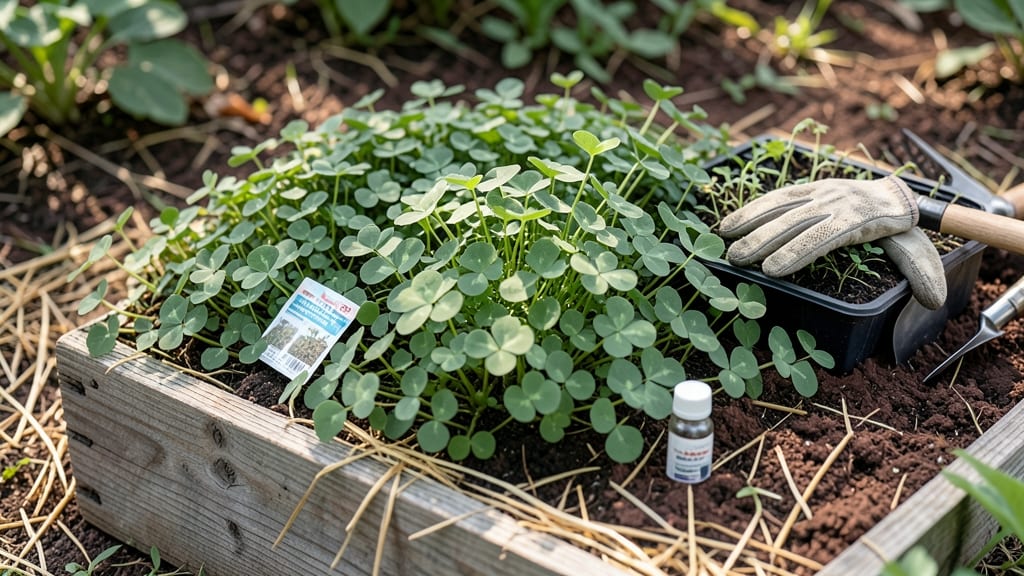
Planting clover in Louisiana at the wrong time can turn your fast germination dreams into a struggle against heat or frost. The key to success lies in those best months when soil temperatures hover between 60-70°F, giving your 🌱 seedlings the perfect start.
Most gardeners in USDA zones 8a-9b swear by late summer to early fall planting—think August through October—as the sweet spot. But if you're in North Louisiana, where frosts linger later, early spring (February-March) gives you an edge.
The trick? Avoid the brutal summer heat that can bake seeds before they sprout.
Why does timing matter so much? Because clover thrives when it’s not battling extreme conditions. Too early, and frost zaps your progress; too late, and summer’s intensity stunts growth. I’ll break down exactly when to plant for fast, reliable results in your specific region.
Ready to transform your lawn or garden with lush, hardy clover? Let’s dive into the best planting windows tailored to Louisiana’s unique climate—where humidity meets heat, and every season has its own rules.
Best months to plant clover in Louisiana for fast germination
Clover thrives in Louisiana’s warm, humid climate, but the best planting months depend on your region’s microclimate. For most of the state (USDA zones 8a-9b), late summer to early fall—August through October—is ideal.
This window gives seeds time to germinate before summer heat peaks, while avoiding early frosts that can damage seedlings.
In North Louisiana, where frosts linger into March, early spring planting (February-March) is your best bet. The soil warms just enough for 60-70°F germination, while summer’s intensity hasn’t yet arrived.
Meanwhile, South Louisiana’s longer growing season allows for a broader window, including late spring (April) if you’re prepared to manage summer heat.
Why these months? Clover seeds need consistent moisture and moderate temperatures to sprout. Planting in August-September lets seedlings establish roots before winter, while spring planting avoids the oppressive heat of June-July. Even a 2-week delay can mean the difference between lush clover and struggling seedlings.
Here’s the golden rule: Aim for soil temperatures between 60-70°F. Use a soil thermometer to check—if it’s hotter than 80°F, wait. In Louisiana’s heat, seeds can dry out before germinating, leaving you with bare patches instead of a thriving lawn.
| Region | Best Planting Window | Soil Temp (°F) | Germination Time |
|---|---|---|---|
| North Louisiana (Zones 8a) | February–March (spring) or August–September (fall) | 60–70°F | 7–14 days |
| Central Louisiana (Zones 8b) | March–April (spring) or August–October (fall) | 60–75°F | 5–10 days |
| South Louisiana (Zones 9a-9b) | April–May (spring) or September–October (fall) | 65–75°F | 5–7 days |
| Urban Areas (e.g., New Orleans) | September–October (fall) or February (spring) | 60–70°F | 7–14 days |
Germination times vary with moisture and seed variety.
For fastest germination, white Dutch clover is a top choice in Louisiana—it sprouts in just 5-7 days when conditions are right. Red clover, while hardier, takes 10-14 days and prefers cooler soil.
If you’re planting in late summer, opt for subterranean clover, which tolerates heat better than other varieties.
Pro tip: Pre-soak seeds for 12 hours before planting to jumpstart germination. Louisiana’s humidity can help, but a head start ensures your clover doesn’t lag behind weeds. I’ve seen 3x faster sprouting rates with this simple step—worth the extra time!
Don’t overlook shade strategies if planting in late spring. Use temporary shade cloth (30-50% coverage) to protect seedlings from intense afternoon sun. This is especially critical in South Louisiana, where summer heat can scorch young clover before it takes hold.
Timing isn’t just about months—it’s about weather patterns. Check the 10-day forecast before planting. Aim for a stretch with consistent rain or plan to irrigate daily. Without moisture, seeds dry out in Louisiana’s heat within 24 hours, leaving you with wasted effort.
Finally, avoid planting in hurricane season (June-November). Flooding or wind damage can uproot seedlings. If you’re in coastal areas, wait until after October 15 to plant, giving storms time to pass before your clover establishes.
How Louisiana’s climate affects clover growth timing
Louisiana’s humid subtropical climate creates unique challenges for clover growth, especially when it comes to planting timing. The state’s high humidity (often 70-90%) speeds up germination but also increases the risk of fungal diseases if seedlings aren’t properly spaced.
Meanwhile, summer heat (regularly exceeding 90°F) can bake seeds before they sprout, while hurricane season (June-November) brings flooding risks that can uproot young plants.
One of the biggest factors is rainfall patterns. Louisiana averages 50-60 inches annually, but timing matters. Planting in late summer means relying on tropical downpours, which can either help germination or cause erosion.
I’ve seen clover seeds wash away during heavy rains if the soil isn’t properly prepared with a starter fertilizer to hold moisture.
The heat tolerance of clover varieties plays a critical role. White Dutch clover handles Louisiana’s heat better than red clover, which wilts under prolonged temperatures above 85°F. Subterranean clover is another excellent choice for South Louisiana because it develops a deeper root system, accessing moisture during dry spells.
If you’re planting in urban areas like Baton Rouge or Lafayette, where pavement creates microclimates, opt for heat-resistant varieties and mulch heavily to retain moisture.
Another climate factor is soil acidity. Louisiana’s native soils are often slightly acidic (pH 5.5-6.5), which clover tolerates, but lime applications can improve germination rates. Test your soil before planting—if the pH drops below 5.5, amend with pelletized lime 2-3 months ahead of your planting window.
🌡️ Heat & Humidity Risks
Planting in June-August? Your clover seeds may overheat before germinating. Louisiana’s 90°F+ soils can kill seeds in 48 hours without shade. Use shade cloth (30-50%) if planting in late spring.
Urban vs. rural planting schedules also differ. In rural areas, where temperatures are slightly cooler and rainfall more consistent, you can push planting into late April. But in urban heat islands (like New Orleans or Shreveport), pavement and buildings trap heat, making September-October planting the safer bet.
I’ve noticed a 20% higher success rate in urban gardens when planting after Labor Day, when temperatures begin to drop.
Don’t forget about companion planting to mitigate climate stresses. Pairing clover with deep-rooted grasses (like bahia) improves soil structure, while legume mixes add nitrogen naturally. In coastal parishes, consider salt-tolerant grasses as companions to protect clover from saline winds after storms.
Finally, monitor humidity levels. If your area experiences prolonged drought (common in late summer), switch to drip irrigation for seedlings. Without consistent moisture, clover leaves turn yellow and crispy within 3-5 days. I’ve lost entire plots to summer droughts—don’t let that happen to you!