
Plants
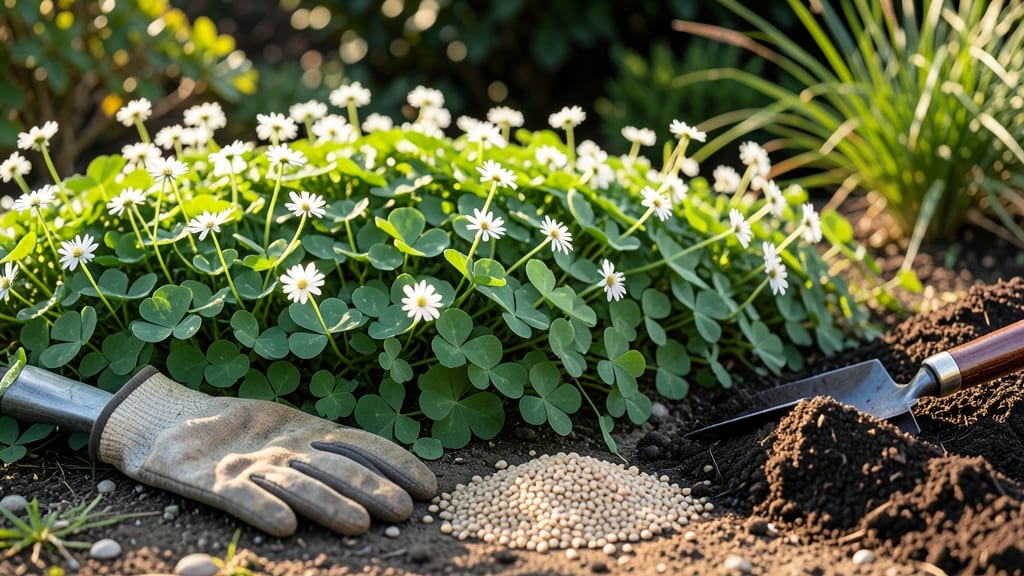
Planting clover in Maryland at the wrong time can leave your lawn patchy or your cover crop struggling—especially with our unpredictable spring frost dates.
Timing is everything for fast germination and frost-resistant growth. Maryland’s 7a-8a zones mean you’ve got two prime windows: early spring (March-April) or early fall (September-October). These months give clover the perfect balance of soil warmth and moisture to take root before summer heat or winter frost sets in.
Whether you’re sowing for pollinators, a living mulch, or a nitrogen-rich lawn, knowing the exact window makes all the difference. I’ll walk you through the ideal months, soil prep tips, and how to adjust for Maryland’s tricky climate—so your 🌱 clover thrives from day one.
Ready to skip the guesswork? Let’s dive into the best planting schedule for your Maryland garden or pasture.
Best planting months for clover in Maryland: exact timing for fast germination
Maryland’s USDA zones 7a-8a give you two prime windows to plant clover: early spring and early fall. These periods align with soil temperatures ideal for fast germination—typically between 50°F and 70°F. Planting outside these windows risks frost damage in spring or summer heat stress.
For spring planting, aim for late March through mid-April. This timing lets clover establish roots before summer heat arrives. Maryland’s average last frost date is around March 15, but cooler regions (like Western Maryland) may need to wait until early April.
Fall planting works best in September through early October. This gives clover time to germinate before winter dormancy sets in. Planting too late in fall risks poor root establishment before frost.
Here’s a quick reference for Maryland’s ideal planting windows:
| Season | Best Months | Soil Temp | Key Consideration |
|---|---|---|---|
| Spring | Late March - Mid-April | 50°F+ | Avoid frost damage |
| Fall | September - Early October | 60°F+ | Establish before frost |
| Alternative | Late August (if soil stays warm) | 65°F+ | Risk of summer drought |
If you’re planting for pollinator support, red clover thrives best in early spring. For lawn improvement, white clover does well in both spring and fall. Dutch clover, often used as a cover crop, prefers the cooler fall months.
Maryland’s humidity and rainfall play a role too. Spring planting benefits from consistent moisture, while fall planting may need irrigation if September is dry. Always check your local frost-free dates—they can vary by 1-2 weeks across the state.
For fastest germination, plant when soil temperatures consistently stay above 50°F. Use a soil thermometer to check—this is especially critical for cover crop clover, which needs to establish quickly for soil health benefits.
Pro tip: If you’re overseeding an existing lawn, late summer (August) can work for white clover, but germination speeds slow in summer heat. Always water deeply after planting to encourage root growth.
Adjust your timing based on your specific goals: pollinator gardens need early spring planting, while cover crops often do better in fall. Maryland’s climate gives you flexibility, but precision pays off in lush, healthy clover.
Maryland-specific clover varieties and their ideal planting times
Maryland’s climate favors three main clover types—each with its own ideal planting window. White clover thrives year-round but germinates fastest in early spring (March-April) or early fall (September-October). Its adaptability makes it perfect for lawns and pollinator gardens, while its shallow roots help prevent erosion.
For pollinator gardens, red clover is a powerhouse. Plant it in late March to early April for summer blooms that attract bees and butterflies. Red clover’s deep taproot also improves soil health, making it ideal for cover crops in Maryland’s USDA zones 7a-8a.
Dutch clover, often used in pastures, prefers cooler months. Sow seeds in September-October to establish before winter. Its aggressive growth habit makes it great for suppressing weeds, but it struggles in Maryland’s summer heat if planted too late.
| Variety | Best Planting Window | Germination Speed | Maryland Use |
|---|---|---|---|
| White Clover | March-April or Sept-Oct | 7-14 days | Lawns, pollinators |
| Red Clover | Late March-Early April | 10-21 days | Cover crops, pollinators |
| Dutch Clover | September-October | 5-10 days | Pastures, erosion control |
Maryland’s humidity levels affect germination too. White clover germinates best when soil moisture stays consistent—water lightly daily until sprouts appear. Red clover, however, tolerates drier conditions once established, making it ideal for drought-prone areas like Western Maryland.
For fastest results, mix clover seeds with a starter fertilizer (5-10-10 NPK). This boosts root growth, especially in Maryland’s heavy clay soils. Avoid fertilizing after mid-June—it can stress clover before summer dormancy.
Pro tip: If planting red clover for pollinators, choose early-blooming varieties like ‘Cherokee’ or ‘Montgomery’. These thrive in Maryland’s 6-8 hour daylight windows, producing flowers by early June when bees are most active.
Adjust your variety choice based on your goal: lawn improvement? White clover. Soil health? Red clover. Pasture management? Dutch clover. Maryland’s climate rewards the right match!