
Plants
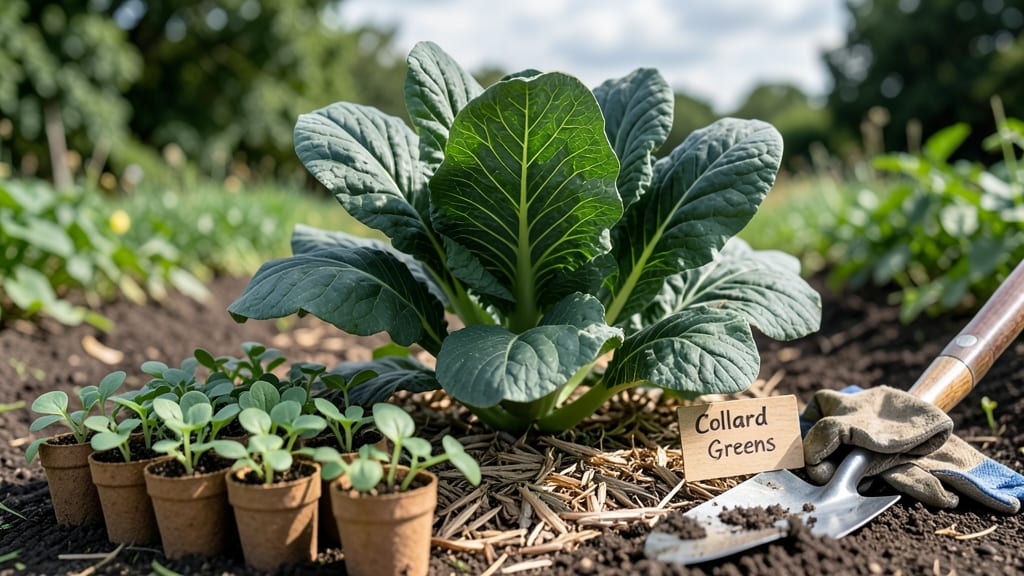
Planting collard greens 🥬 at the wrong time in Georgia can mean the difference between a bumper crop and wasted effort. Whether you're aiming for tender spring harvests or hearty fall greens, getting the timing right is the key to avoiding bolted leaves and frost damage.
With Georgia's mild winters and long growing season, you actually have two prime chances to plant these resilient greens—spring and fall. But knowing exactly when to put those seeds in the ground (or transplant seedlings) makes all the difference in your garden's success.
Let me break down the perfect planting windows for your region's climate.
Spring plantings should start as soon as the soil warms to 50°F in late February or early March, while fall plantings need to happen by early September to give your collards time to mature before frost. These timing strategies are what separate a good harvest from a great one.
What you'll discover is how to work with Georgia's 7b-8b climate zones to maximize your yield, whether you're growing collards for crisp spring salads or winter storage. Let's get those planting dates locked in for your most successful garden yet.
Georgia’s ideal collard green planting calendar: month-by-month frost-free windows
Georgia’s 7b-8b climate zones give you two perfect windows to plant collard greens—spring and fall—but timing is everything for avoiding frost damage or heat stress. In the North (e.g., Atlanta), last frosts hit mid-March, while South Georgia (e.g., Savannah) enjoys 2-3 extra frost-free weeks.
Let’s break down the exact months for each region to maximize your harvest.
For spring plantings, start seeds indoors in late January and transplant outdoors after the last frost (late February to early March). This ensures your collards mature before Georgia’s summer heat causes bolting.
In the fall, aim to plant by early September—giving your greens 60-70 days to grow before the first frost (mid-November).
Here’s your region-specific planting timeline, including soil temperature requirements and frost dates:
Pro tip: Use row covers or black plastic mulch to warm the soil faster in early spring, giving you a head start on planting. This is especially useful in North Georgia’s cooler microclimates where frost lingers longer.
For direct sowing, scatter seeds ¼-inch deep and keep soil moist until germination (5-10 days). Transplants, however, give you a 2-week advantage—just harden them off for 7-10 days before moving outdoors. Choose transplants with 4-6 true leaves for the best survival rate.
In North Georgia, where frosts are more unpredictable, stagger plantings every 2 weeks in fall to extend your harvest through November. In South Georgia, you can even push fall plantings into early October if you use row covers to protect against early frosts.
Remember: Collards thrive in cool weather and can handle light frosts (28°F), but avoid planting when nighttime temps drop below 40°F. Use these frost-free windows to plan your garden layout—place collards near sunny borders to maximize their 6-8 hours of sunlight daily.
With this calendar, you’ll avoid the common mistakes of planting too early (risking frost) or too late (missing the sweetest flavors). Now let’s talk about how to extend your harvest even longer with cold protection and succession planting!
How to extend your collard green harvest in Georgia: succession planting and cold protection tips
Even with perfect planting timing, Georgia’s unpredictable late frosts can cut your collard harvest short. The key to a continuous supply of tender greens is succession planting and smart cold protection.
By staggering plantings and using simple garden hacks, you can extend your harvest 4-6 weeks longer than the average gardener—even through Georgia’s first frost dates.
Start by planting new collard seeds every 2 weeks in late summer (August-September). This creates a rolling harvest, so when your first batch matures in October, fresh seedlings are ready to replace them.
In North Georgia, where frosts arrive earliest, use this method to keep greens coming until mid-November. In South Georgia, you can push harvests even later with proper protection.
🚨 Callout Warning: Avoid planting too close to frost—collards need 60-70 days to mature. If you plant after mid-September in North Georgia, your greens won’t reach full size before cold snaps. Use this timeline as your guide:
- Small leaves if planted after October 1 in North GA
- Bitter taste from cold-stressed plants
- Frost damage to young seedlings (28°F threshold)
For cold protection, row covers are your best friend. These lightweight fabrics raise soil temperatures by 5-8°F and shield plants from light frosts (28-32°F). Secure them with bricks or stakes to prevent wind damage.
In Central Georgia, where first frosts hit late October, row covers can extend harvests until Thanksgiving.
Another game-changer is mulching. Apply 3-4 inches of straw or leaves around collard plants in late September to insulate roots. This keeps soil 5-10°F warmer and prevents frost heave.
Combine mulch with row covers for double protection during Georgia’s unpredictable late frosts. Even in South Georgia, where winters are milder, mulching ensures tender leaves through December.
Don’t forget about microclimates—southern exposures and low-lying areas stay warmer longer. Plant a few collards near your sunniest fence or south-facing wall to create a protected growing zone. These spots can add 1-2 extra weeks to your harvest by delaying frost exposure.
Pair this with succession planting, and you’ll enjoy fresh collards for nearly half the year.
With these techniques, you’ll turn Georgia’s cool-season challenges into opportunities for a longer, more abundant harvest. Next, let’s explore which collard varieties thrive best in your region—and when to plant them for peak performance.