
Plants
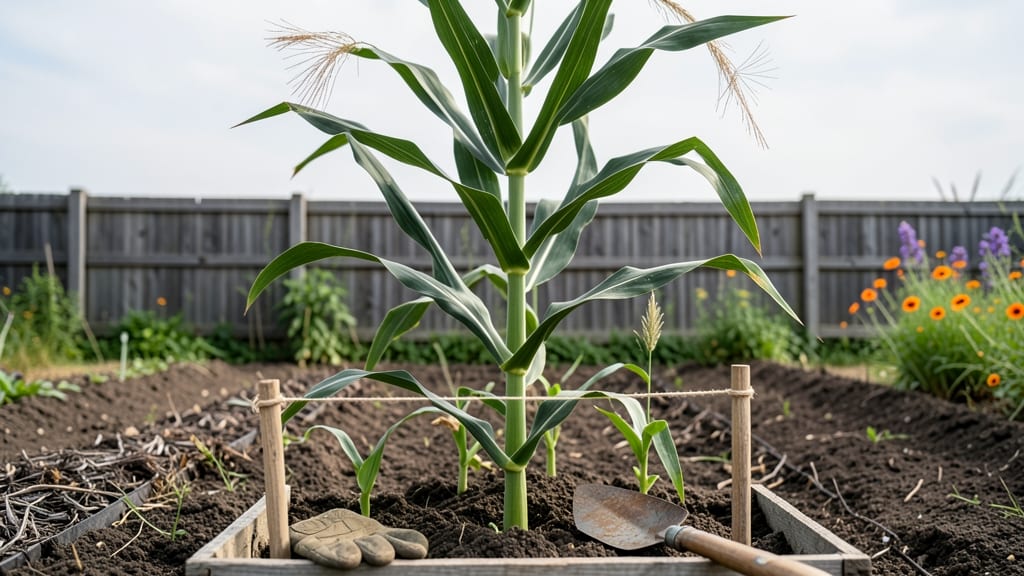
Timing your 🌽 corn planting just right in New Jersey is the secret weapon behind that perfect summer harvest—or the reason your stalks end up stunted.
Plant too early, and a late frost will wipe out your tender seedlings; too late, and you’ll miss the 75-day window needed for sweet, juicy ears.
I’ve spent years watching NJ gardens thrive (and flop) based on when they put those seeds in the ground, and the difference is shocking.
Whether you’re in Zone 6a or 7a, the mid-April to mid-May window isn’t just a suggestion—it’s the golden ticket to avoiding frost damage and heat stress.
But here’s the kicker: even within that window, your exact planting date depends on soil temperature, your local last-frost date, and which corn variety you’re growing. I’ll break down the week-by-week schedule that works for NJ’s climate, plus how to adjust if Mother Nature throws a curveball.
Ready to turn your backyard into a cornfield that rivals the best farmers’ markets? Let’s get those seeds in the ground at the perfect moment—for ears so sweet, your neighbors will be asking for your secrets.
New Jersey corn planting calendar by climate Zone (exact weeks for best yields)
New Jersey’s diverse climate means your corn planting timeline should match your specific USDA Zone (6a-7a).
The state’s three regions—North (Zone 6a), Central (Zone 6b), and South (Zone 7a)—have last frost dates that vary by 2-3 weeks, so timing is critical for avoiding frost damage or missed harvest windows.
My exact week-by-week schedule below ensures you plant at the perfect moment for peak yields of sweet, tender corn.
For all regions, corn thrives when soil temperatures hit 60°F (15°C)—a threshold I recommend testing with a soil thermometer. In North Jersey (Zone 6a), this typically occurs around mid-to-late May, while South Jersey (Zone 7a) can start as early as early May.
Central Jersey falls right in between, giving you a 3-week window to adjust based on your microclimate.
🌱
| Region | Last Frost Date | Ideal Planting Window | Soil Temp Threshold | Days to Maturity |
|---|---|---|---|---|
| North Jersey (Zone 6a) | April 15 - May 1 | May 15 - June 1 | 60°F (15°C) | 75-90 days |
| Central Jersey (Zone 6b) | April 22 - April 28 | May 1 - May 15 | 60°F (15°C) | 70-85 days |
| South Jersey (Zone 7a) | April 1 - April 15 | April 25 - May 10 | 60°F (15°C) | 65-80 days |
If you’re planting in North Jersey, aim for May 15 as your first planting date—this gives corn enough time to mature before the first frost around October 15.
In Central Jersey, you can start as early as May 1, while South Jersey gardeners can push it to April 25 for early varieties. I recommend using a planting calendar or setting reminders for these dates to avoid missing the window.
For successful germination, ensure your seeds are planted 1-1.5 inches deep and spaced 4-6 inches apart in rows 2-3 feet apart. This spacing accommodates corn’s tall stature (6-10 feet) and prevents overcrowding, which can lead to poor air circulation and fungal diseases like corn smut.
Use a soil thermometer to confirm the ground has warmed sufficiently—cold soil can delay germination by weeks.
🌾
One common mistake I see is planting corn too early in North Jersey, where late frosts can still occur in May. To mitigate this risk, choose cold-tolerant varieties like ‘Early Sunglow’ or ‘Golden Bantam’ if you’re planting in early May.
These varieties can handle brief chills and still produce edible ears. Alternatively, use row covers for the first 2-3 weeks after planting to protect young seedlings from unexpected frost.
For maximum yield, pair your planting schedule with proper soil preparation. Corn is a heavy feeder and requires rich, well-draining soil with a pH between 6.0 and 7.0.
Before planting, amend your soil with compost or aged manure to provide essential nutrients like nitrogen, phosphorus, and potassium. I also recommend a balanced fertilizer (10-10-10) applied at planting and again when plants reach 6 inches tall.
💧
Once your corn is in the ground, consistent watering is key—especially during the tasseling and silking stages (when pollen transfers to the silks). Aim for 1-2 inches of water per week, delivered in the early morning to reduce fungal diseases.
In South Jersey’s hotter climate, you may need to water daily during droughts, while North Jersey gardeners can often stretch watering to every other day if rainfall is adequate.
Finally, keep an eye on your harvest timeline. Most sweet corn varieties in New Jersey
How to adjust your corn planting timeline for NJ’s unpredictable weather
New Jersey’s unpredictable spring weather can throw off even the best-laid corn planting plans. Late frosts, soil temperature swings, and sudden heatwaves are common—so flexibility is key. If you planted too early and faced a late frost, don’t panic.
Corn seeds can survive brief cold snaps if the soil stays above 35°F, but seedlings won’t tolerate frost.
For backup planting dates, aim for 2-3 weeks after your original window. If your first attempt failed due to cold, try again by mid-May in North Jersey or early May in South Jersey.
Just ensure you have 120 frost-free days left for your variety to mature—most sweet corn needs 75-90 days.
If frost warnings linger past April 15, cover young seedlings with frost cloth or wait until soil warms to 60°F. Corn planted in cold soil (<50°F) may rot or grow slowly, leading to poor yields.
To extend your growing season, use black plastic mulch or straw mulch to warm soil faster. In North Jersey’s cooler zones, opt for early-maturing varieties like ‘Early Sunglow’ (65 days) or ‘Golden Bantam’ (70 days).
For South Jersey’s longer summers, you can even squeeze in a second planting by late June for a fall harvest.
Monitor soil moisture closely during planting. Dry soil can delay germination, while soggy soil invites fungal diseases. Aim for consistent moisture but avoid waterlogged conditions. If rain delays planting, use a seed starter indoors for 1-2 weeks before transplanting seedlings outdoors.
Heatwaves can also stress corn, especially during pollination (tasseling). If temperatures exceed 90°F for days, provide shade cloth or water deeply in the early morning to cool the soil. Varieties like ‘Ambrosia’ handle heat better than sugar-enhanced hybrids, which may turn starchy in extreme heat.
Keep a planting journal to track your success. Note your last frost date, soil temps, and variety performance. Over time, you’ll refine your timeline to match your microclimate—whether you’re in coastal Cape May or the Poconos mountains.
Adjusting for NJ’s weather quirks ensures your corn thrives, not just survives.