
Plants
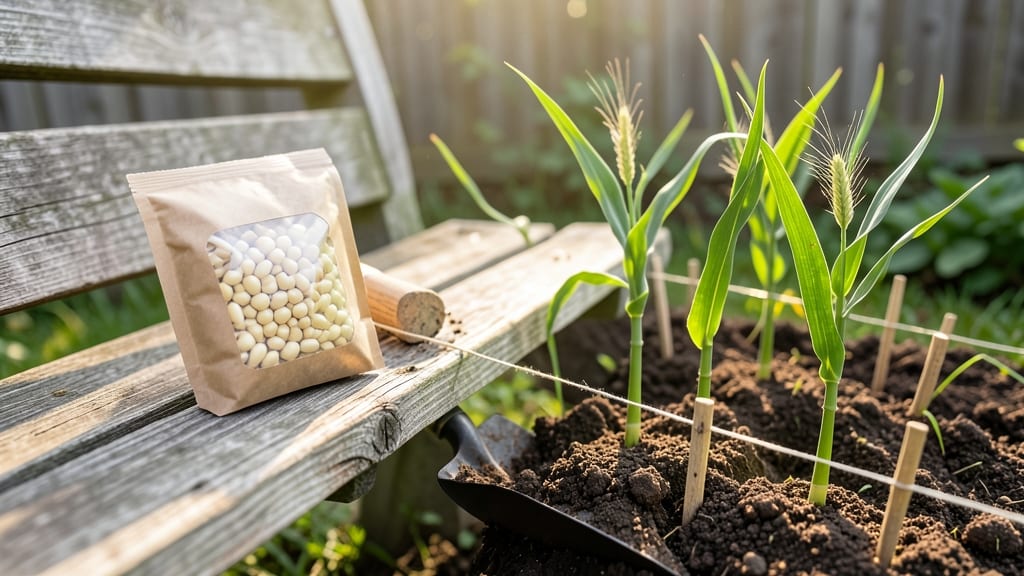
To plant corn in Portland, Oregon, timing is everything—get it right, and you’ll enjoy sweet, juicy ears by summer’s end; get it wrong, and you might end up with frost-nipped stalks or stunted growth.
With the city’s USDA Zone 8a climate and microclimates ranging from urban heat pockets to cooler hillsides, knowing when to start seeds or set out transplants can feel like a guessing game.
Most gardeners in Portland wait until mid-April to early June after the last frost (typically around April 15), but the 🌽 varieties you choose and your specific neighborhood’s temperature patterns can shift those dates by weeks.
Whether you’re planting in raised beds, containers, or the ground, understanding soil warmth and local frost risks is the key to a bountiful harvest.
I’ll break down the exact planting windows for Portland’s three main microclimates—urban areas, the Willamette Valley, and the Eastside—and share pro tips for adjusting your schedule if the weather throws a curveball.
Plus, I’ll highlight the fastest-maturing corn varieties that thrive here, so you can enjoy fresh ears even in shorter growing seasons.
Ready to turn your garden into a cornucopia? Let’s dive into the perfect timing and techniques to ensure your 🌽 plants grow tall, strong, and full of flavor—no frost-related disappointments included.
Portland’s corn planting calendar: frost-free dates by microclimate zone
Portland’s USDA Zone 8a climate creates three distinct microclimates that can shift your 🌽 planting window by up to 3 weeks. Urban areas like downtown and Southeast Portland stay warmer, while the Eastside hills and outer neighborhoods near the Willamette River experience cooler temperatures.
Knowing your specific zone helps you avoid frost damage and ensures your corn has enough time to mature before fall’s first chill.
The last average frost date for Portland is April 15, but soil temperature is just as critical as air temperature. Corn seeds won’t germinate well until the soil reaches 60°F, which typically happens in mid-to-late April in urban areas but may linger until early May in cooler microclimates.
Always test your soil with a thermometer before planting—cold soil delays germination and weakens seedlings.
Here’s how to align your planting schedule with Portland’s three key microclimates:
For gardeners in raised beds or containers, soil warms up faster than in-ground plots, so you can plant 1–2 weeks earlier in these microclimates. Use black plastic mulch or dark-colored containers to absorb heat and speed up germination.
Just be prepared to protect seedlings with row covers if a late frost sneaks in.
If you’re planting transplants instead of seeds, wait until May 1–15 to set them out—young corn is far more vulnerable to frost than seeds. Harden off your transplants for 7–10 days before moving them to the garden to reduce shock.
I’ve found that starting seeds indoors under grow lights (with a heat mat) gives me a 2-week head start on the growing season.
Pro tip: Use the National Weather Service’s Portland forecast and check the Oregon State University Extension’s frost advisory for real-time updates. Even if the calendar says it’s safe, a late frost can still nip your young plants.
I always keep a row cover on hand for emergencies—it’s saved my corn more than once!
Once your 🌽 is in the ground, focus on keeping the soil consistently moist (but not soggy) and fertilizing lightly every 4–6 weeks with a balanced 10-10-10 mix. With the right timing and care, you’ll be enjoying homegrown corn by summer’s end—no frost-related disappointments in sight.
How to adjust planting dates for Portland’s unpredictable weather patterns
Portland’s weather can throw curveballs—one day it’s 75°F and sunny, the next it’s 40°F with frost warnings. Corn is particularly sensitive to late frosts and cool soil, so flexibility in your planting schedule is key.
Even if you’ve nailed your microclimate zone, unexpected chills can set your progress back. The good news? With a few smart adjustments, you can extend your growing season and protect your 🌽 from Mother Nature’s whims.
First, monitor soil temperature more closely than air temperature. Corn seeds need soil that’s consistently 60°F+ to germinate properly, but air temps can drop while the soil stays warm. Use a soil thermometer (they’re cheap and game-changing) to check temps in the morning and evening.
If your soil is below 55°F, delay planting—cold soil causes seeds to rot or sprout unevenly, leading to weak, leggy plants.
Here are my top 5 strategies to adjust your planting dates when Portland’s weather gets unpredictable:
- 🌡️ Use black plastic mulch to warm soil 5–10°F faster than bare earth. Lay it down 2 weeks before planting in cooler microclimates (like the Eastside) to create a microclimate of your own.
- 🛡️ Keep row covers (floating fabric covers) on hand for late frosts. They raise temps by 5–8°F and can protect seedlings until they’re 6 inches tall. I’ve used them to save corn planted in early April when a surprise frost hit.
- ⏳ Try succession planting in 2-week intervals from mid-April to early June. This ensures a staggered harvest and reduces the risk of losing your entire crop to one late frost. Plant a small block (4x4 ft) every two weeks for continuous ears.
- 🌱 Start seeds indoors under grow lights (with a heat mat) 4–6 weeks before your target outdoor date. Transplant seedlings when they’re 6–8 inches tall and soil is warm. This buys you 3–4 weeks of head start in cooler zones.
- ☀️ Choose early-maturing varieties (like ‘Early Sunglow’ or ‘Ambrosia’) if you’re pushing the limits of your microclimate. These can mature in 60–70 days, giving you a buffer for late starts.
Another pro tip: Pay attention to Portland’s “false spring” phenomenon. Warm spells in March or early April can trick you into planting too soon. Wait until the National Weather Service confirms a stable frost-free period (usually after April 15).
I’ve learned the hard way that a 32°F night in late April can devastate young corn—so when in doubt, wait an extra week.
For gardeners in containers or raised beds, you have an advantage: soil warms up faster than in-ground plots. Fill containers with dark-colored fabric or black plastic-lined pots to absorb heat.
Place them in the sunniest spot (south-facing) and use a clear plastic dome to trap heat overnight. This can shave 1–2 weeks off your planting timeline compared to in-ground gardening.
Finally, don’t forget about pest pressure when adjusting dates. Corn planted in June or July (for a fall harvest) attracts fewer corn earworms and cutworms than early spring plantings.
If you’re extending your season, consider interplanting with marigolds or basil to deter pests naturally. With these adjustments, you’ll turn Portland’s unpredictable weather into an advantage—not a roadblock.