
Planting
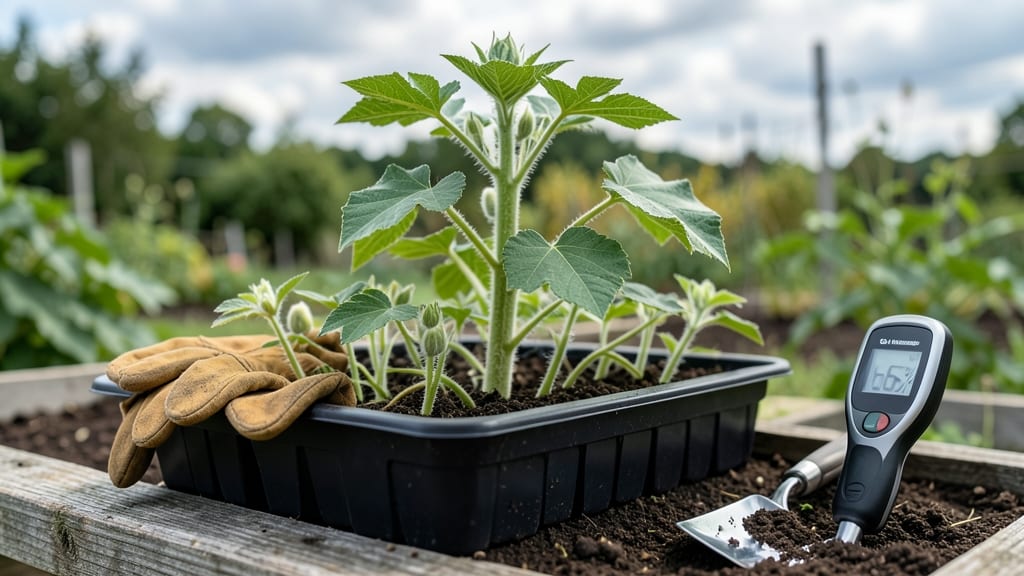
Planting cotton in Texas isn't just about dropping seeds in the dirt—it's about timing those seeds perfectly to outrun the heat and frost.
With April through May marking the sweet spot for North Texas and March to April for Central and South Texas, getting this wrong can mean stunted plants or wasted effort.
The key lies in waiting until soil temperatures hit 60°F and all frost risk fades, ensuring your 🧵 plants grow strong enough to handle the Lone Star State's brutal summers.
Why does timing matter so much? Cotton thrives in warm climates, but planting too early risks frost damage, while waiting too long can lead to bolting—where plants rush to flower before they're ready.
We've learned the hard way that checking soil moisture and tracking local frost dates (like March 15 in North Texas) makes all the difference. Whether you're a backyard gardener or a small-scale farmer, these precise windows are your first line of defense against common growing mistakes.
In this guide, I'll break down exactly when to plant cotton in your specific Texas region, which heat-resistant varieties perform best, and how to avoid critical mistakes that derail even the most well-intentioned gardeners.
You'll discover how Texas A&M AgriLife Extension recommendations align with real-world success stories—and why some farmers swear by planting in March while others wait until May.
Ready to grow cotton that stands tall and bountiful? Let's dive into the exact months, soil prep secrets, and irrigation tips that will transform your Texas garden from "maybe" to "mission accomplished." Your future 5-6 foot cotton plants will thank you!
Best planting months for cotton in Texas by region
Texas stretches from USDA Zones 8a-10b, creating dramatic differences in frost dates and optimal planting windows for cotton. In North Texas, where last frost lingers until mid-March, waiting until April 15-May 15 ensures your seedlings survive.
Meanwhile, South Texas—with its January 15 last frost—can start as early as mid-March, giving plants a head start before summer's relentless heat.
Central Texas sits in the middle, with February 15 as the average last frost date, making March 15-April 15 the sweet spot. These windows align with soil temperatures of 60°F+, critical for germination. Skipping this window risks stunted growth or heat stress before plants establish roots.
Here’s how to adapt to your specific Texas region for maximum cotton yields:
| Region | Last Frost Date | Optimal Planting Window | Soil Temp Requirement | Key Cities |
|---|---|---|---|---|
| North Texas | March 15 | April 15-May 15 | 60°F+ | Lubbock, Amarillo, Abilene |
| Central Texas | February 15 | March 15-April 15 | 60°F+ | College Station, Austin, Waco |
| South Texas | January 15 | Mid-March-Early April | 60°F+ | San Antonio, Corpus Christi, Brownsville |
For North Texas farmers, planting after May 15 risks bolting—when cotton flowers prematurely due to heat stress. In South Texas, early March plantings give cotton a full 6-month growing season before first frost, ideal for varieties like FM 966, which thrives in 90°F+ temperatures.
Pro tip: Use a soil thermometer to confirm 60°F+ soil temps before planting. In Central Texas, where April showers can delay warming, wait until mid-April to avoid soggy soil and seed rot. Always plant 1/2 inch deep and 1 inch apart for optimal germination.
Adjust for microclimates: Areas near urban heat islands (e.g., Houston) may plant 2 weeks earlier than rural zones, while high-elevation regions (e.g., Lubbock) should delay until late April. Check Texas A&M AgriLife Extension maps for localized frost data.
If you’re in West Texas, where drought conditions are common, prioritize drought-tolerant varieties like ST 4744 B2XF and plant in well-drained soils to prevent root rot. Irrigate deeply 2-3 times per week once plants reach 6 inches tall to support boll development.
Remember: Cotton needs 120-180 days to mature, so late plantings (after June 1) may not yield harvestable bolls before first frost. Use this table as your planting calendar and adjust based on local weather forecasts.
For organic farmers, add compost 2 weeks before planting to boost soil fertility without synthetic fertilizers. Mulch with straw to retain moisture and suppress weeds, critical in Texas’s high-heat summers.
Top 5 heat-resistant cotton varieties for Texas farmers
Choosing the right cotton variety can mean the difference between a bountiful harvest and a disappointing yield in Texas’s intense heat. Heat-resistant varieties like FM 966 and ST 4744 B2XF are bred to thrive in 90°F+ temperatures while resisting drought stress and pest pressure.
These top 5 varieties outperform conventional types in Texas’s USDA Zones 8a-10b, delivering higher yields and better fiber quality.
Hybrid seeds dominate Texas cotton farms because they combine disease resistance, fast maturity, and adaptability to extreme heat. For example, PHY 375 W3FE matures in just 120 days, making it ideal for North Texas where the growing season is shorter.
Meanwhile, DP 1646 B2XF excels in South Texas with its drought tolerance and high lint percentage.
Here’s how these varieties stack up in key performance areas:
Hybrid vs. Conventional Cotton Varieties
Hybrid Varieties
- Pros: Higher yields, disease resistance, faster maturity
- Cons: More expensive seeds, less genetic diversity
Best for: Large-scale farms in Central/South Texas
Conventional Varieties
- Pros: Lower cost, adaptable to diverse conditions
- Cons: Slower growth, lower yields in heat
Best for: Small farms or North Texas with shorter seasons
For organic farmers, ST 4744 B2XF stands out with its natural pest resistance and high fiber quality. This variety matures in 130-140 days, making it perfect for Central Texas where summers are long but first frost arrives by mid-December.
Pair it with crop rotation to prevent soil-borne diseases like fusarium wilt, which thrives in Texas’s humid summers.
If you’re in West Texas, where drought conditions are severe, DP 1646 B2XF is a game-changer. Its deep root system accesses water 10+ feet below the surface, reducing irrigation needs by 30%.
Plant this variety in well-drained soils and irrigate deeply 2-3 times per week during boll formation to maximize yields.
Pro tip: Always test soil pH before planting—cotton prefers 6.0-7.5. In acidic soils (common in East Texas), add lime 2 months before planting to avoid nutrient deficiencies. For sandy soils (like those in West Texas), mix in compost to improve water retention.
Remember: Seed quality matters more than quantity. Store seeds in a cool, dry place and plant within 1 year of purchase for optimal germination rates.
Whether you choose a hybrid or conventional variety, these heat-resistant options will help you outsmart Texas’s brutal summers and harvest cotton like a pro.