
Plants
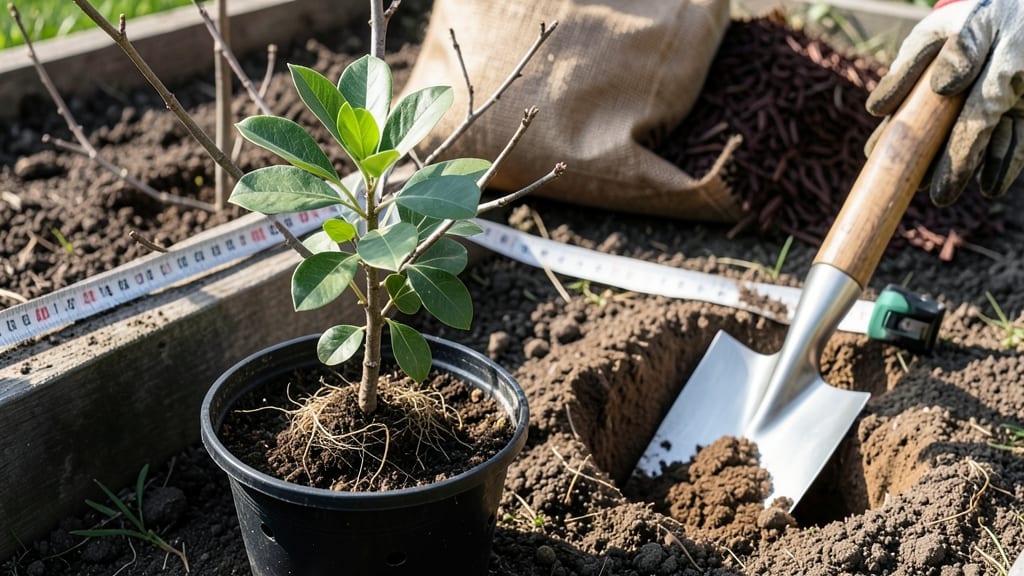
Planting crape myrtles in Virginia at the wrong time can mean the difference between a stunning 🌸 showstopper and a struggling shrub that never quite thrives.
The key isn't just when you plant—it's understanding how Virginia's climate zones (6a-8a) create two perfect windows: late winter to early spring or fall, when soil temperatures and frost patterns align just right.
Most gardeners in Virginia focus on spring planting, but fall often delivers better results—especially in zones 6a-7a. That's because cooler temperatures help roots establish before winter, while spring planting risks early heat stress. Whether you're dropping a bare-root sapling or a container-grown specimen, timing matters more than you might think.
I've seen firsthand how a just-right planting window can transform a crape myrtle from a struggling underdog to a showy centerpiece. The secret?
Waiting until after the last frost (typically mid-March in Zone 6a) or planting in September-October when soil stays warm enough for root growth but cool enough to avoid transplant shock.
Ready to get it right? Let's break down exactly when to plant in your specific Virginia zone, plus soil prep tips that'll have your crape myrtle thriving from day one.
Optimal planting months for crape myrtles in Virginia’s climate zones
Virginia’s diverse USDA hardiness zones (5b-8a) create unique planting windows for crape myrtles. In Zone 6a, where frosts linger until mid-March, aim for late April to early May planting.
Meanwhile, Zone 8a gardeners can plant as early as mid-February once soil warms above 50°F. The key is avoiding both late spring frosts and summer heat stress during establishment.
Fall planting often outperforms spring in Virginia because cooler temperatures reduce transplant shock and allow roots to establish before winter. September through October is ideal—just plant 4-6 weeks before ground freezes (typically mid-November in Zone 6a).
For container-grown crape myrtles, you can extend the window slightly earlier, as their root systems adapt faster.
Soil temperature is your best indicator—wait until it reaches 60°F+ at 6 inches deep. Use a soil thermometer to check, especially in heavy clay soils common in Virginia’s Piedmont region. In Zone 7a, this usually aligns with late March to early April for spring planting.
Here’s a quick zone-by-zone breakdown to simplify your timing decisions:
| USDA Zone | Spring Planting Window | Fall Planting Window | Soil Temp Threshold |
|---|---|---|---|
| Zone 5b-6a | Late April–Early May | September–Mid-October | 60°F+ |
| Zone 7a | Mid-March–Early April | Late September–November | 55°F+ |
| Zone 7b-8a | February–Mid-March | October–Early November | 50°F+ |
For bare-root crape myrtles, plant as soon as possible after purchase—these plants have minimal root systems and dry out quickly. Soak roots in water for 1-2 hours before planting to reduce stress.
In contrast, container-grown plants can handle a slightly wider window because their roots are already established in potting mix.
Adjust your timing if Virginia’s weather throws curveballs. If unseasonably warm springs arrive early, monitor soil moisture closely—young crape myrtles can bolt upward too quickly, leaving them vulnerable to late frosts. Conversely, if fall temperatures stay mild, extend planting into November as long as the ground isn’t frozen.
Pro tip: Mulch heavily (3-4 inches of organic mulch) after planting to insulate roots and retain moisture. This is especially critical in Zone 6a’s colder winters, where mulch can mean the difference between survival and dieback.
Use shredded bark or pine straw—avoid fresh wood chips, which can deplete soil nitrogen.
Remember, crape myrtles thrive on full sun (6+ hours daily), so choose a south-facing location with well-draining soil. If your yard has heavy clay, amend the planting hole with compost or sand to improve drainage—a common issue in Virginia’s Piedmont and Coastal Plain regions.
Timing isn’t just about the calendar; it’s about reading your microclimate. Observe nearby plants like azaleas or dogwoods—when they’re in full bloom, it’s often safe to plant crape myrtles in Zone 7a and warmer. In colder zones, wait until after their peak bloom to avoid frost risk.
🌸
Optimal planting months for crape myrtles in Virginia’s climate zones
Virginia’s USDA zones 6a-8a offer ideal conditions for crape myrtles, but the perfect planting window shifts depending on your region. In Zone 6a (northern VA), aim for late April to early May after the last frost—typically around March 15.
Meanwhile, Zone 8a gardeners in southern VA can plant as early as February 15 or stretch into November before winter sets in.
Fall planting (September–October) often outperforms spring in Virginia because cooler temps reduce transplant shock and encourage deep root growth before winter. For container-grown crape myrtles, you have a slightly longer window—plant up to 6 weeks before ground freezes (usually mid-November in most zones).
Bare-root plants, however, need to establish roots before winter, so late summer to early fall is critical.
Here’s how Virginia’s microclimates affect timing:
| USDA Zone | Last Frost Date | Ideal Planting Window | Soil Temp Threshold |
|---|---|---|---|
| 6a (e.g., Roanoke) | March 15 | Late April–May OR Sept 15–Oct 15 | 50°F+ (10°C+) |
| 7a (e.g., Richmond) | March 1 | March–April OR Aug 15–Oct 1 | 55°F+ (13°C+) |
| 8a (e.g., Norfolk) | February 15 | February–March OR Sept 1–Nov 1 | 60°F+ (15°C+) |
*Adjust for early/late frosts using local frost calendars.
If you’re in a transition zone (e.g., between 6b and 7a), err on the side of fall planting. Cooler autumn temps help crape myrtles acclimate to winter naturally, while spring planting risks heat stress as Virginia’s summers arrive.
For container planting, you can extend the window slightly—just ensure pots have drainage holes to prevent root rot from Virginia’s heavy clay soils.
Pro tip: Use a soil thermometer to confirm temps are above 50°F (10°C) before planting. In Zone 6a, wait until nighttime temps stay above freezing consistently.
For Zone 8a, you can plant as early as February, but avoid planting if freeze warnings loom—crape myrtles are tender when young.
Remember, fall-planted crape myrtles often bloom earlier the following year because they’ve had months to establish roots. In Virginia’s humid climate, this also reduces the risk of powdery mildew, a common issue for spring-planted trees. Just mulch heavily after planting to retain moisture and regulate soil temps.
For bare-root plants, soak roots in water for 1–2 hours before planting to revive them. In Zone 7a, this is especially critical—dry spells in early spring can stress newly planted trees. Water deeply 2–3 times per week for the first month to encourage root spread.