
Plants
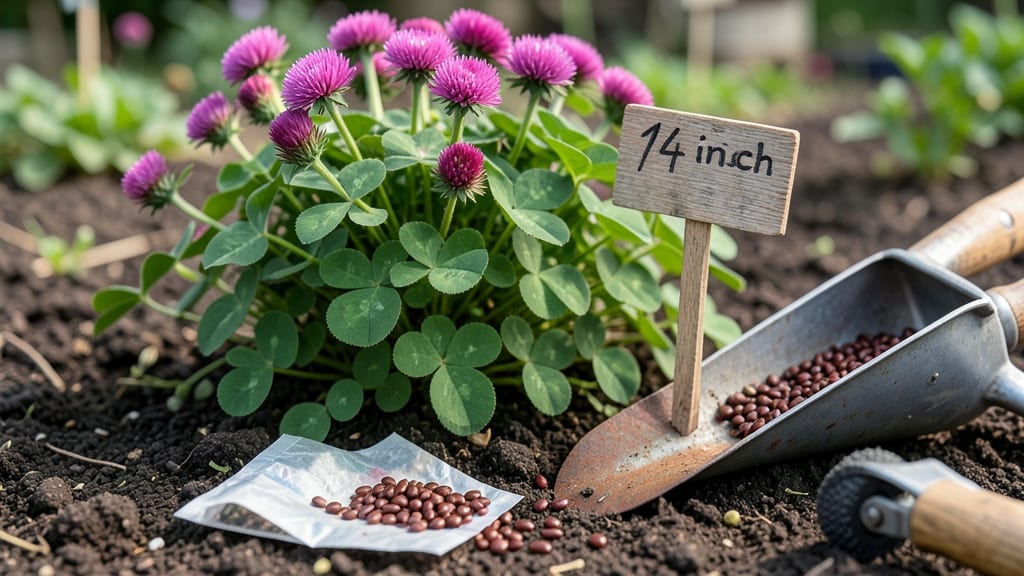
Planting crimson clover 🌸 at the wrong time in Texas can mean the difference between lush, nitrogen-rich soil and a failed cover crop. The key to success lies in understanding when to plant—whether you're in North Texas' cooler 8a zone or the warmer 10b regions of the South.
Fall planting, between September and October, gives crimson clover the perfect head start before winter. This timing allows it to establish roots before the first frost, ensuring it survives the cold months and blooms beautifully in spring.
But if you miss fall, early spring (February–March) can still work—though it requires extra care to avoid summer heat stress.
Why does timing matter so much? Crimson clover thrives in cooler temperatures and struggles when planted too late in spring. In Texas, where summer heat can be brutal, planting in the wrong season can lead to drought stress or even death.
The right window ensures your cover crop grows strong, suppresses weeds, and improves your soil for future plants.
In this guide, I’ll break down the best planting windows for your specific Texas region, share quick tips for success, and help you avoid common mistakes. Let’s get your crimson clover off to the best start possible!
Texas fall planting timeline for crimson clover: ideal dates by region
For Texas gardeners, fall planting is the gold standard for crimson clover 🌸 because it gives your cover crop time to establish roots before winter.
In North Texas (USDA Zone 8a), aim to plant between mid-September and early October—this window ensures your clover survives the first frost (usually around December 15) and thrives through winter.
The key is to plant 4–6 weeks before the first frost to allow seedlings to develop strong root systems. In Central Texas (Zones 8b–9a), where first frosts arrive later (around November 30), you can extend your planting window until late October.
Meanwhile, South Texas (Zones 9b–10b) gardeners have until mid-November due to milder winters.
Soil temperature is another critical factor. Crimson clover germinates best when soil temps are between 60°F and 75°F. In Texas, this typically aligns with September–October, but if your soil runs hotter, wait until temps drop closer to 70°F to avoid seedling stress.
Here’s how to match your region to the perfect planting window:
If you’re planting in North Texas, don’t wait past early October—your clover needs time to establish before the ground freezes. In Central and South Texas, you have a bit more flexibility, but avoid planting after November 15 to prevent winterkill.
Always test your soil’s pH (6.0–7.0 ideal) before planting, as crimson clover struggles in acidic soils.
Pro tip: Use a seed drill or broadcast spreader for even coverage, especially in larger plots. Aim for 10–15 lbs of seed per acre to ensure full ground coverage. After planting, lightly rake the seeds into the soil (no deeper than 1/4 inch) to improve germination rates.
Once established, crimson clover will suppress weeds naturally and add nitrogen to your soil—but only if you plant it at the right time. Miss the fall window, and you’ll face higher risks of heat stress or drought in spring, which can stunt growth or even kill your cover crop.
For gardeners in cooler microclimates (e.g., elevated areas or shaded spots), you might push planting into early November, but monitor weather forecasts closely. A sudden cold snap can damage young seedlings before they’ve had a chance to root deeply.
Remember, the goal is to have your crimson clover blooming by spring—this ensures it fixes nitrogen efficiently and provides forage for pollinators. With the right timing, your soil will thank you for years to come! 🌿
Spring planting crimson clover in Texas: risks, fixes, and alternative strategies
Spring planting of crimson clover in Texas is riskier than fall planting because Texas summers bring intense heat and drought—conditions that stress young seedlings. While February to early March offers the best chance for success, even this window can be challenging.
In North Texas (Zone 8a), where last frost dates hover around January 31, planting after mid-March risks heat stress, while South Texas (Zones 9b–10b) can push planting into late March due to milder conditions.
The biggest challenge is soil moisture loss. Crimson clover germinates best in 60°F–75°F soil, but by April, Texas soils often exceed 85°F, causing seeds to dry out before sprouting.
Without consistent moisture, seedlings struggle to establish roots, leading to stunted growth or death. Even if they survive, heat stress can reduce nitrogen-fixing efficiency, defeating the purpose of planting a cover crop.
Here’s how to mitigate risks if you must plant in spring:
- Heat stress: Soil temps >85°F reduce germination rates by 50%.
- Drought risk: Young seedlings need 1–2 inches of water weekly to avoid wilting.
- Weed competition: Warm soil speeds up weed growth, outcompeting clover.
- Bolting: Premature flowering reduces nitrogen fixation.
To improve success, start with shade cloth (30–50%) over seedlings until they reach 4–6 inches tall. This buys time for roots to establish before full sun exposure. Pair this with drip irrigation or soaker hoses to deliver water directly to roots, reducing evaporation.
For North Texas gardeners, aim to plant by February 15 to avoid peak summer heat, while Central and South Texas can extend planting to March 1 with extra care.
Another strategy is to interplant crimson clover with a summer cover crop, like buckwheat or cowpeas, which thrive in heat. Once temperatures drop in fall (September–October), the buckwheat can be mowed down, leaving the clover to establish without competition.
This two-step approach ensures you still benefit from nitrogen fixation, even if spring planting fails.
For gardeners in cooler microclimates—like elevated areas or shaded spots—spring planting can work better. Monitor your specific microclimate conditions using a soil thermometer. If soil temps stay below 80°F for at least 4–6 weeks after planting, your clover stands a better chance of survival.
In these cases, late February to early March is ideal, as it aligns with cooler soil temps and lower evaporation rates.
If you’re determined to plant in spring, choose heat-tolerant varieties like 'Osceola' or 'Dixie', which handle warmer conditions better than traditional types. These varieties also bolt later, giving you more time to establish roots before summer heat sets in.
Combine this with mulching (straw or wood chips) to retain moisture and regulate soil temperature.
Ultimately, fall planting remains the safest bet for crimson clover in Texas. But if spring is your only option, prepare for challenges—shade, irrigation, and variety selection can mean the difference between failure and a thriving cover crop.
With the right precautions, even spring-planted clover can contribute to your soil’s health, though it may not perform as robustly as its fall-grown counterpart. 🌱